
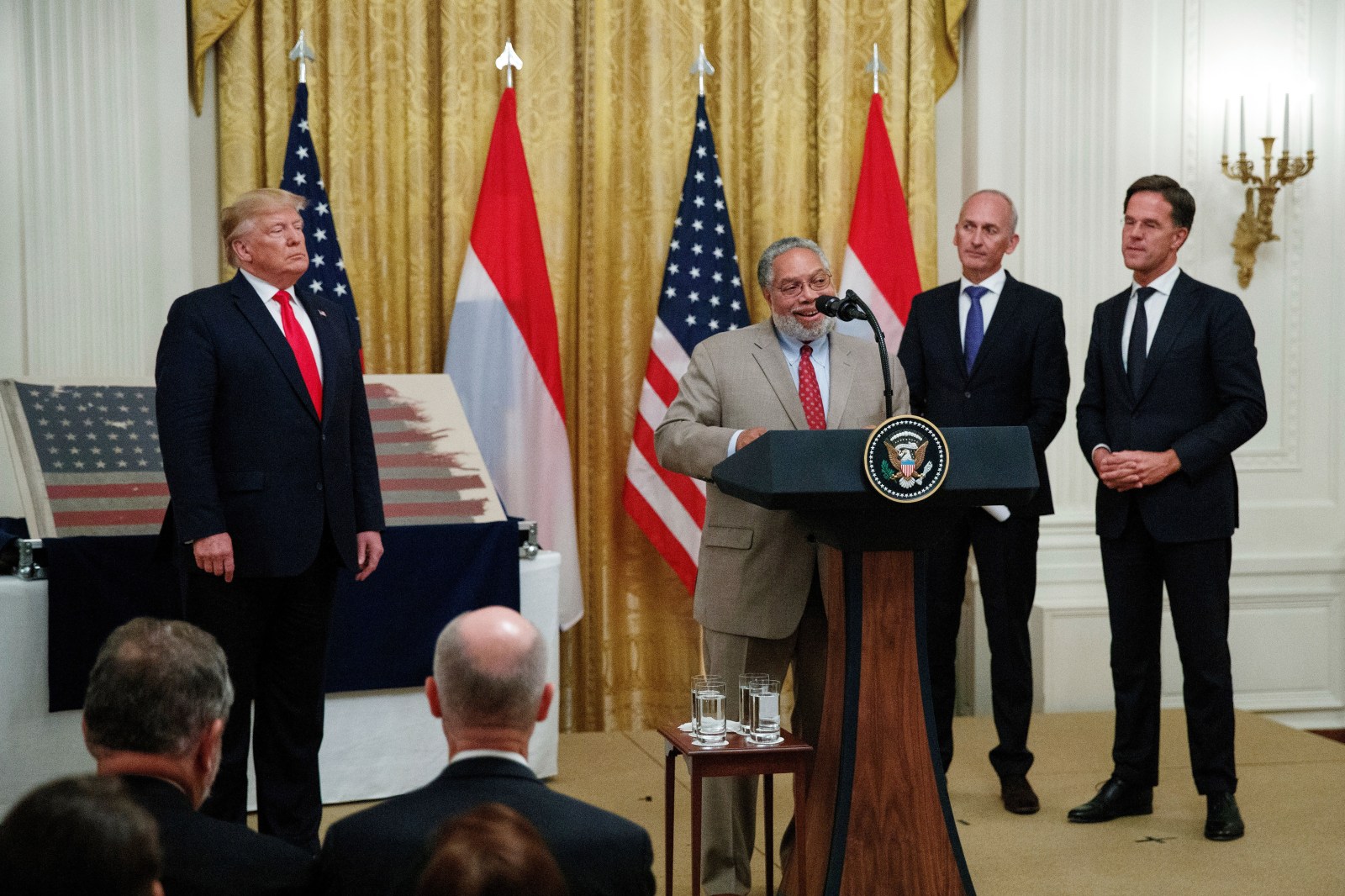
Lonnie G. Bunch III, the first Black secretary of the Smithsonian Institution and a prominent figure in American museum leadership, has announced his intention to retire at the end of 2026. Bunch has led the Smithsonian, the nation’s largest museum complex, for seven years. His departure follows a challenging year marked by increased scrutiny from the Trump administration, which accused Smithsonian leaders of fostering politically biased views of American history during the nation’s 250th anniversary celebrations.
Bunch became the Smithsonian’s secretary in 2019 and will vacate his position at the end of the year. In his statement, Bunch expressed mixed emotions and gratitude. Senator Catherine Cortez Masto praised Bunch as a committed historian who dedicated over 30 years to the Smithsonian. She hopes his successor will show similar dedication to arts, culture, science, and history.
At 73, Bunch has built a distinguished career as a historian, author, and museum executive. Before being named Smithsonian secretary, Bunch was the founding director of the National Museum of African American History and Culture in Washington, D.C. Under his leadership, the museum opened in 2016 and quickly became popular among visitors.
His appointment was historic; he was the first African American and historian to lead the Smithsonian in its nearly 180-year history. As secretary, Bunch managed an extensive operation, including 21 museums, the National Zoo, research centers, and educational programs, drawing millions of visitors annually.
Reasons Behind Bunch’s Departure
The Smithsonian did not specify a reason for Bunch’s retirement, only noting his decision to step down. However, his announcement coincides with unprecedented pressures from the Trump administration. In July, a White House report criticized Smithsonian leaders, alleging ideological bias at the National Museum of American History, and claimed they failed to portray American history as unifying and inspirational.
In August, Trump directed officials to place signs outside the museum labeling some exhibits as inaccurate, which prompted opposition from museum leadership. Anthea Hartig, the museum’s director, refuted the criticism during congressional testimony. The broader strategy by Trump aimed to influence federal historical institutions as America approached its 250th anniversary.
Impact of the Administration’s Efforts
Trump’s March 2025 executive order, “Restoring Truth and Sanity to American History,” accused some cultural institutions of revising national history. This order affected Smithsonian museums, prompting content reviews to conform with perceived American values.
The order called for reviews at eight Smithsonian museums, including the National Museum of American History and the National Museum of African American History and Culture. It also extended to National Park Service sites, leading to changes or removals of exhibits on slavery, climate change, and Indigenous history. A federal judge later ruled to restore these exhibits, arguing that their removal set a precedent for censorship.
Future of the Smithsonian
Despite pressure from the administration, the Smithsonian operates independently. Museum directors report to the secretary while overall oversight is by the Smithsonian Board of Regents, including Vice President JD Vance, Chief Justice John Roberts, members of Congress, and citizen regents. This structure limits direct control from Trump, who has influenced other cultural entities like the Kennedy Center.
Following Bunch’s retirement announcement, Roberts praised his commitment to accurately telling America’s story. The search for Bunch’s successor now becomes crucial as the Smithsonian continues at the forefront of national discourse on public historical presentation.