
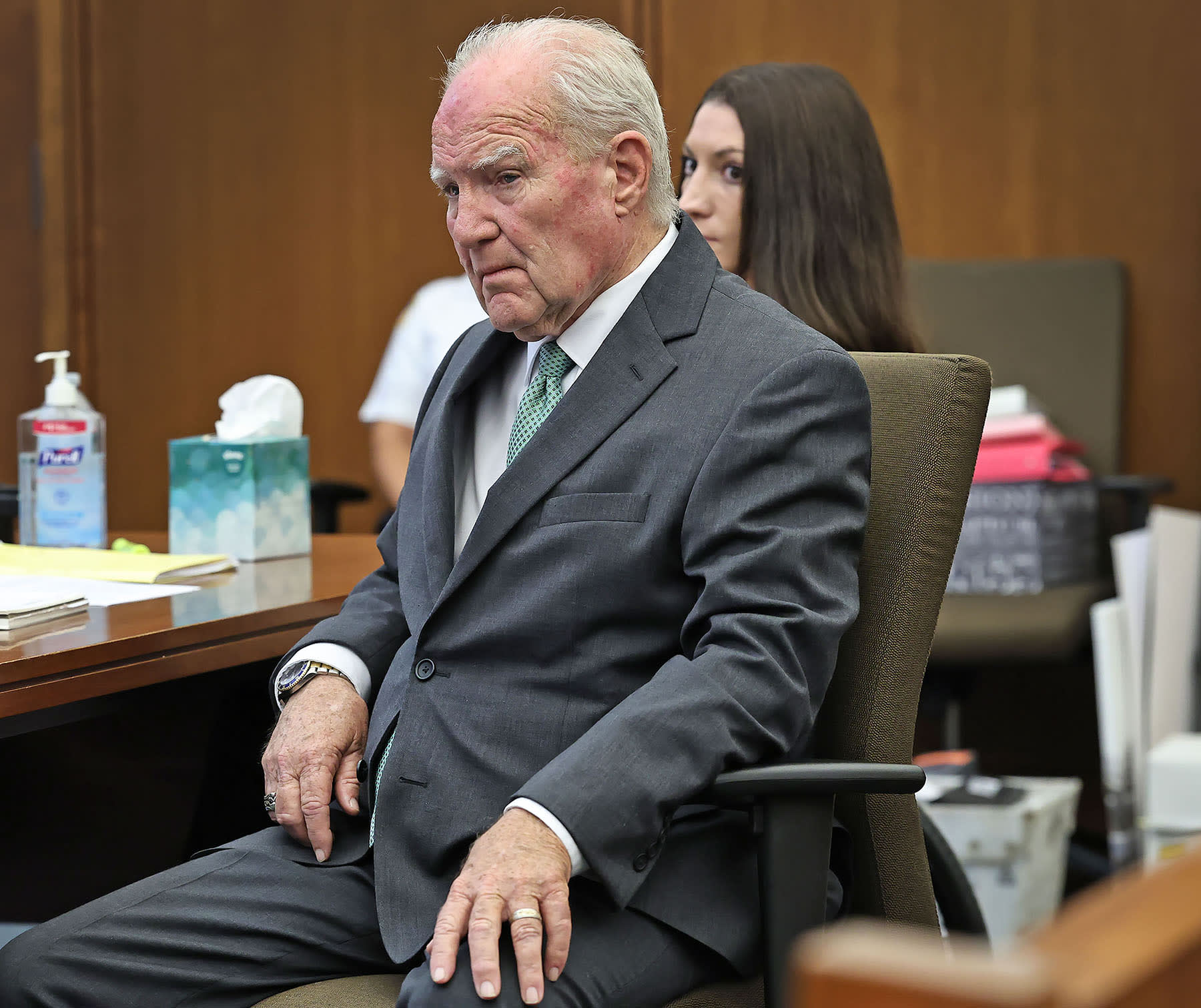
The trial of Lindsay Clancy, accused of murdering her three children, is nearing its conclusion. Evidence presentation is expected to finish today. Clancy, who killed her children Cora, 5, Dawson, 3, and Callan, 8 months, at their home in January 2023, faces a complex legal battle. Her mental health stands at the forefront, with the defense arguing she suffered from postpartum psychosis. Prosecutors claim she acted with intent.
The Mental Health Debate
Central to the case is whether Clancy’s mental state absolves her of responsibility. Her defense argues she was unable to understand the wrongfulness of her actions. Prosecutors challenge this, doubting her psychosis claim. A contentious discussion surrounds the severity of any side effects Clancy reportedly experienced from medication.
“Is that a reasonable decision for Lindsey to make, to say ‘I don’t wish to take that based on all the side effects’?” – Kevin Reddington, Defense Attorney
Prosecution’s Argument
Forensic psychiatrist Dr. Gregory Saathoff testified, asserting Clancy knew right from wrong. Evidence included her planning actions, such as waiting for her husband to leave and choosing accessible weapons. Saathoff noted Clancy’s ability to act independently despite alleged voices urging her actions.
Saathoff contended that Clancy’s awareness of timing and location during the incident indicated control over her actions. He stated her medication levels were safe even for children and addressed her choices amid psychosis.
Defense’s Counterarguments
Defense attorney Kevin Reddington questioned Dr. Saathoff’s expertise and his past experiences with postpartum psychosis. Reddington highlighted the lack of direct experience or written work on auditory hallucinations by Saathoff. His links to government organizations were also scrutinized to suggest potential bias.
“Fair to say that you’re a government man?” – Kevin Reddington
Final Developments
As the trial closes its testimonial phase, public interest remains high. Patrons from various states attend, noting the trial’s implications for healthcare and legal perspectives on maternal mental health. Closing arguments are set to begin, with jurors soon deciding on Clancy’s criminal responsibility.
With the case illustrating potential gaps in maternal healthcare, observers are keen to learn lessons for future policies. The societal impact will extend beyond the courtroom, raising awareness about postpartum mental illness and its legal interpretations.
Awaiting Verdict
As the trial concludes, the jury faces determining whether Lindsay Clancy can be held criminally responsible. The trial seeks to establish if mental illness played a decisive role at the time of the killings, or if Clancy understood and intended her actions. Deliberations are expected to start soon, drawing widespread attention to the case’s outcome.