
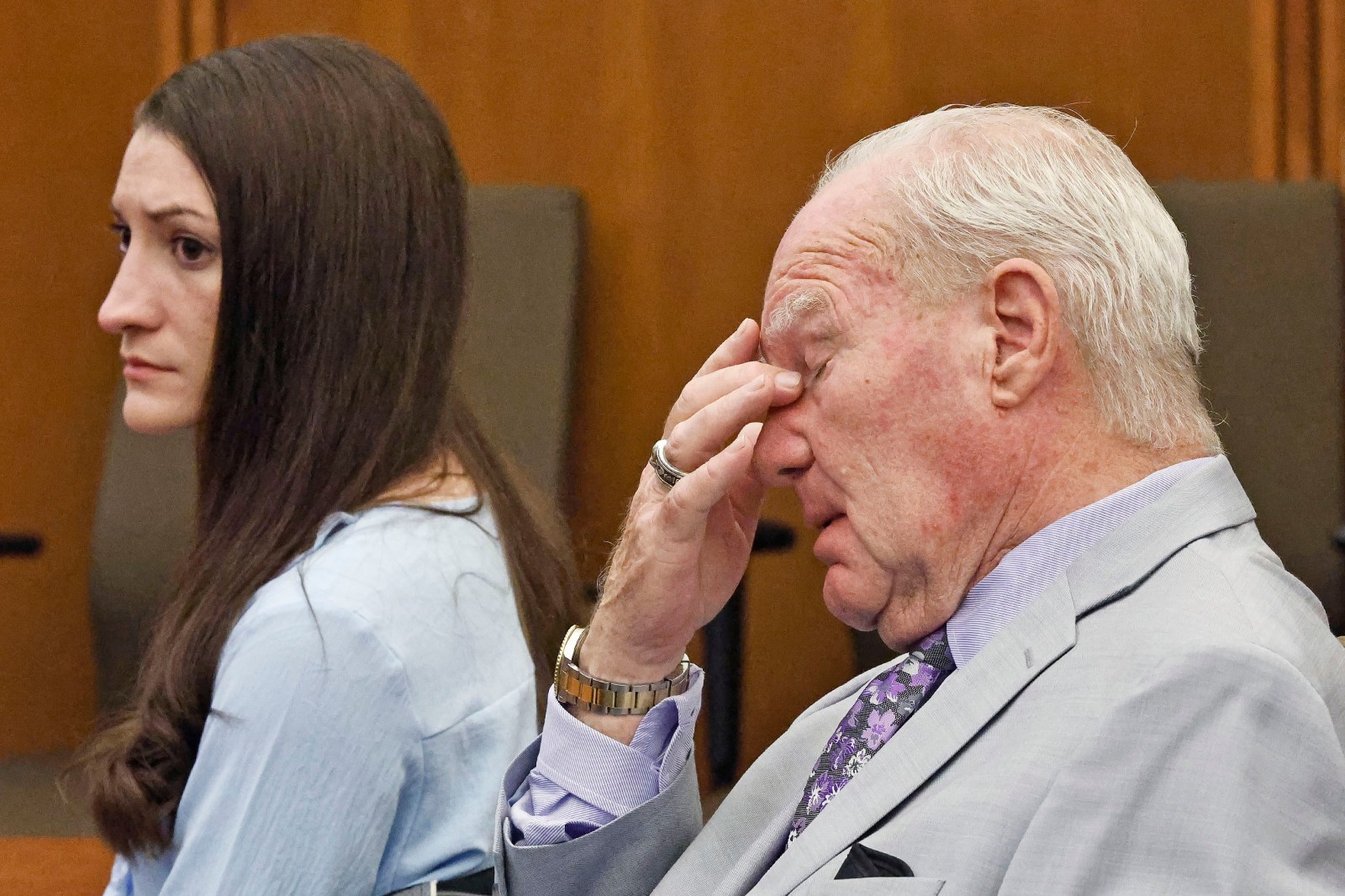
Deadlock in the Lindsay Clancy Trial
The Lindsay Clancy trial might lead to a mistrial due to the jury’s inability to reach a unanimous decision. The jury reported twice to the judge that it remains deadlocked. Former Manhattan prosecutor Gary Galperin, now an adjunct professor at Cardozo School of Law, observed that such repeated deadlock may indicate an approaching impasse. However, he noted a unanimous decision remains possible.
According to Rither Alabre, a former prosecutor and current partner at Blank Rome’s White Collar Defense & Investigations Group, the judge has provided the jury with Tuey-Rodriguez instructions. These aim to encourage further deliberations without pressuring jurors into a verdict. Alabre mentioned the court might refrain from reissuing these instructions more than twice.
Understanding the Deadlock
The trial revolves around whether Lindsay Clancy, who admitted to killing her children, was aware of her actions or incapacitated by mental illness. Clancy faces charges for the deaths of her three children in January 2023. The defense contends that Clancy suffered from postpartum psychosis, resulting in a disconnection from reality.
Prosecutors argue that Clancy was mentally unstable yet aware of her actions. They cite evidence indicating planning, such as directing her husband out of the home prior to the incident. While the defense highlights Clancy’s declining mental health and psychiatric care, the jury must determine whether her mental state absolves her of criminal responsibility.
The Jury’s Challenges
The jury’s deadlock does not necessarily mean an even split among jurors, as a single holdout could cause the deadlock.
“It only takes one juror to deadlock and hang the jury,”
Galperin explained. This ambiguity could explain why the judge has persisted in urging continued deliberation.
Galperin acknowledged that some psychiatric defenses are weak. Still, in Clancy’s case, her documented history of postpartum depression complicates the deliberation.
Potential Outcomes and Next Steps
If a mistrial occurs due to a deadlocked jury, prosecutors might retry the case. Alabre anticipates another trial, which would allow prosecutors to learn from the first trial’s outcomes and prepare a stronger case. However, the defense would also refine its strategies for a more robust presentation during a retrial.
Previous cases, such as the Karen Read trial, demonstrate how retrials with adjusted strategies can yield different outcomes. Galperin estimated that a retrial could follow within weeks or months, depending on logistics and court schedules.
The Role of Expert Testimony
Psychiatric experts presented conflicting testimonies throughout the Clancy trial. These insights are critical as jurors must evaluate conditions like postpartum psychosis that lie outside their typical experience.
“The average juror doesn’t know about postpartum depression or postpartum psychosis,”
Galperin stated, highlighting the need for expert input to guide jurors through their deliberation.
Alabre echoed this sentiment, emphasizing the defense’s reliance on Clancy’s mental health records and expert opinions. Jurors assess experts based on credibility, demeanor, and presentation, which can significantly influence their decisions.
Debate Over Criminal Responsibility
Despite potential agreement over Clancy’s mental condition, jurors might diverge on whether she holds criminal responsibility. Galperin explained that even recognizing postpartum psychosis doesn’t negate criminal liability. Jurors must determine whether her mental illness prevented her from understanding her actions or controlling her behavior.
Prosecution evidence supposedly indicating awareness and planning must be weighed against the defense’s portrayal of a severe psychiatric crisis. This trial is not about mere mental illness; it scrutinizes whether Clancy’s condition met the legal threshold relieving her of criminal responsibility.
Complex Decisions for the Jury
Both attorneys advise caution in interpreting the jury’s deadlock as indicative of individual beliefs. Alabre described the jury’s task as difficult, considering the tragedy of three children’s deaths by their mother, and Clancy’s impaired physical state following a suicide attempt.
The legal analysis presents multiple stages for potential division. Jurors could disagree on whether Clancy suffered from postpartum psychosis, understood her actions, or recognized their wrongfulness.
Ultimately, the jury’s challenge is to balance compelling evidence from both sides, understanding the implications of mental illness on criminal accountability.
Possibility of a Verdict
A jury decision might not be final. Breakthroughs can occur when evidence or testimonies are revisited. While repeated deadlocks suggest a mistrial prospect, they do not predict outcomes conclusively.
Galperin noted the potential for jurors to reach a unanimous conclusion after extended deliberation. So while the trial leans toward a mistrial, unexpected developments can shift the deliberation’s direction.
Implications of a Non-Criminal Verdict
Galperin addressed misconceptions about the consequences of a verdict of no criminal responsibility. Such a finding would initiate an evaluation of Clancy’s current mental state and potential threat to herself and others, rather than immediate release.
“There’s no joy in this case,”
Galperin remarked, acknowledging the diverse opinions on justice outcomes in Clancy’s complex situation.