
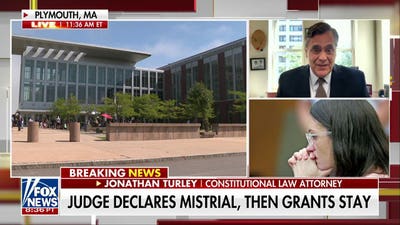
Jury Deadlock Leads to Mistrial
The trial of Lindsay Clancy has ended in a mistrial following a deadlock among jurors. The legal proceedings, which have been closely monitored, saw the jury unable to reach a unanimous decision, leading to the declaration of a mistrial by the court.
Prosecution and Defense Stalemate
Throughout the trial, both prosecution and defense presented their arguments with vigor. However, the inability of jurors to reach a consensus highlights the complexities and contentious nature of the case. Legal experts believe this outcome reflects both sides’ compelling evidence and narratives.
Options for Re-Trial
The prosecution now faces the decision of whether to pursue a new trial or consider alternative legal strategies. Prosecutors may need to re-evaluate their approach should they decide to retry Clancy. The defense, on the other hand, will be preparing for possible additional court battles.
Impact on Parties Involved
The mistrial has significant implications for Lindsay Clancy and her legal team as they assess their next moves. Family members and other parties involved may also feel the ongoing uncertainty as the case remains unresolved. The community continues to follow developments closely, with public opinion split on the proceedings.
Understanding Mistrials
A mistrial can occur when a jury is unable to reach a unanimous verdict or when other procedural issues arise. In this instance, the deadlock meant the judge had no choice but to declare a mistrial, leaving room for potential future legal actions.