
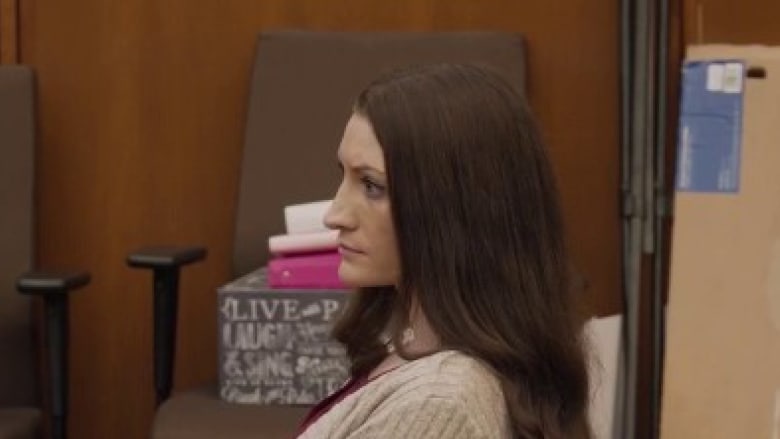
Key Points in Lindsay Clancy Murder Trial
The murder trial of Lindsay Clancy, who killed her three children before attempting suicide in January 2023, nears its conclusion today as closing arguments are set to begin. The case has captured attention due to the critical mental health issues involved.
Clancy’s defense highlights postpartum psychosis, arguing she was influenced by hallucinations when her actions took place. In contrast, the prosecution’s forensic psychologist, Dr. Gregory Saathoff, asserted Clancy understood right from wrong during the killings.
Jurors will now consider charges, including first-degree murder, which involves deliberate action and extreme cruelty. They may also deliberate on lesser manslaughter charges in this high-profile case that extends beyond the Massachusetts courtroom.
Mental Health Impact and Community Reaction
Lindsay Clancy has become a symbol of the issues in maternal healthcare, igniting discussions across various platforms. The trial has sparked conversations widely and prompted mothers who have faced postpartum psychosis to share their experiences.
One mother, Ayana Lage, reflected on her own encounter with psychosis. She emphasized that the condition can affect anyone, regardless of background or status. Stories like hers aim to draw attention to the understanding and care needed for those with similar mental health challenges.
Trial Conclusion and Jury Instructions
Witness testimonies have concluded. Judge William Sullivan has discussed jury instructions with both parties before today’s closing statements. The discussions centered on interpreting the charges for first-degree murder, specifically focusing on the elements of premeditation and extreme cruelty.
The defense has pushed for inclusion of instructions on involuntary manslaughter as a potential verdict if jurors cannot reach a consensus on murder charges. A proposal for a Bowden charge was denied, which indicates to jurors if police investigations may have deficiencies. Both sides agreed to exclude references to voluntary intoxication.
Schedule of Closing Arguments
Closing remarks are anticipated to be concise. Clancy’s lawyer, Reddington, expects to present his case in about 30 minutes. Prosecution indicates needing approximately one hour. After five weeks and testimonies from around 80 witnesses, court proceedings today at Plymouth Superior Court will be pivotal in shaping Clancy’s future.
As the trial progresses today, the jury’s decision will have profound implications. If found guilty of murder, Clancy will face life imprisonment.