
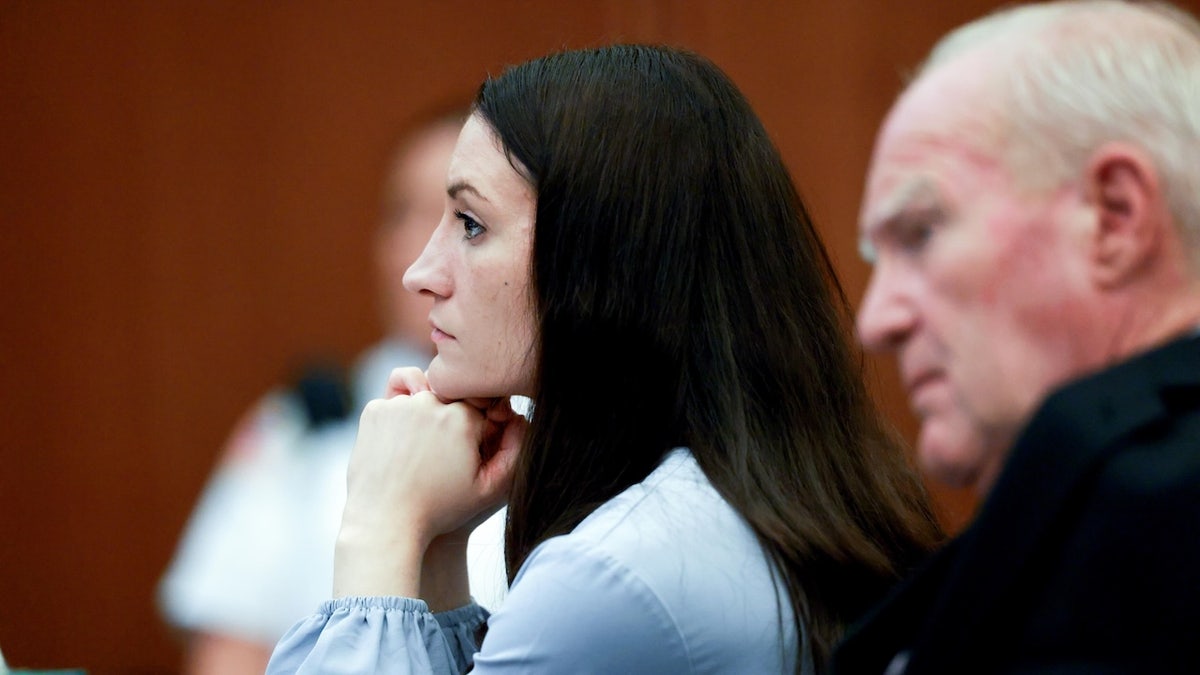
The murder trial of Lindsay Clancy, accused of killing her three young children, has presented complex dynamics in the courtroom. Clancy, 36, faces charges of first-degree murder for the deaths of her children, Cora, Dawson, and Callan, who were all under six years old. Discovered strangled in their home in January 2023, Clancy’s defense claims she was under the grip of postpartum psychosis at the time.
Jury Composition and Potential Perspectives
The jury, comprising 12 women and 6 men, may pose unexpected outcomes according to Rep. Tommy Pope. Pope previously prosecuted Susan Smith, convicted in 1995 for drowning her young sons. He notes that women jurors might exhibit less empathy toward Clancy’s defense. Many mothers have faced depression or challenges but ultimately prioritize their children’s welfare, possibly leading to less sympathy.
Defense Challenges and Psychological Factors
Clancy’s defense emphasizes her mental health, arguing that she is not criminally responsible. Her attorney, Kevin Reddington, aims to establish that Clancy’s actions stemmed from a command hallucination. Forensic psychiatrist Dr. Phillip Resnick supported this by describing Clancy as feeling like a “puppet,” overtaken by an external force.
“She felt in a dream state, as if someone else pulled the strings,” Resnick testified.
Prosecutors counter this argument by questioning its validity and persistence. Dr. Gregory Saathoff noted the inconsistency of Clancy’s reported auditory hallucinations. He expressed skepticism over Clancy’s first-time claims during the trial, observing no previous reports to mental health professionals.
Broader Implications on Mental Health Awareness
Outside the courtroom, the trial has ignited discussions about mental health and the support available for mothers. A supporter expressed the urgent need for better funding and education on mental health issues. The trial spotlights gaps in postpartum mental health awareness and support, voicing a collective hope for systemic change.
Meanwhile, prosecutorial efforts focus on maintaining accountability in the face of tragic circumstances. Expert testimony highlighted that even with psychosis, individuals might still adhere to legal conduct.