
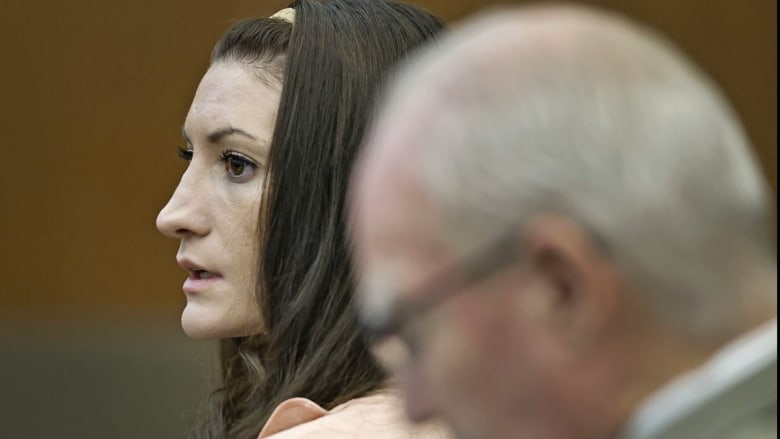
Evidence Presentation in Lindsay Clancy Trial Concludes
The murder trial of Lindsay Clancy, accused of killing her three young children, is approaching its culmination. The tragic incident occurred in January 2023 at her residence, claiming the lives of Cora, aged 5, Dawson, aged 3, and Callan, only 8 months old.
Her mental health has become a pivotal aspect of the trial. Prosecutors assert that she intentionally caused her children’s deaths, alleging she was criminally responsible. Conversely, her defense argues that Clancy endured postpartum psychosis, impairing her ability to understand the immorality of her actions.
The prosecution aims to undermine assertions of postpartum psychosis. They suggest Clancy’s claim of hearing voices instructing her to kill lacks credibility. Her defense attorney pointed to testimony by friends and family members, including her husband Patrick Clancy, who described her as a devoted mother.
This intense five-week trial has captured attention across social media, podcasts, and discussions outside the Massachusetts courtroom. Lindsay Clancy, aged 36, has inadvertently spotlighted deficiencies in maternal healthcare. Closing arguments are anticipated to begin Thursday, according to the presiding judge.
Testimonies from Forensic Psychologist and Mothers
Forensic psychologist Kirk Heilbrun testified that Clancy possessed a moral understanding of the wrongfulness of her child’s deaths. Misty Marris, an NBC News legal analyst, elaborated on the importance of this testimony for the prosecution’s stance.
In parallel with the trial, mothers affected by postpartum psychosis have shared their experiences. Ayana Lage, having grappled with psychosis in 2020, emphasized that the condition transcends status, age, or socioeconomic factors, affecting anyone indiscriminately.
Understanding Postpartum Psychosis
Clancy’s attorneys attribute her actions to postpartum psychosis, a rare mental health disorder frequently challenging to diagnose and treat. Its complexities form a critical part of her defense.
Closure of Testimonies and Upcoming Arguments
The previous witness from the prosecution addressed inconsistencies in Clancy’s recollections compared to other medical opinions and her former husband’s testimony.
Judge William Sullivan of Plymouth County Superior Court instructed jurors they would soon receive the case for deliberation. He urged the jury to maintain open minds, reminding them of upcoming closing arguments and legal guidelines pertinent to their decisions.