
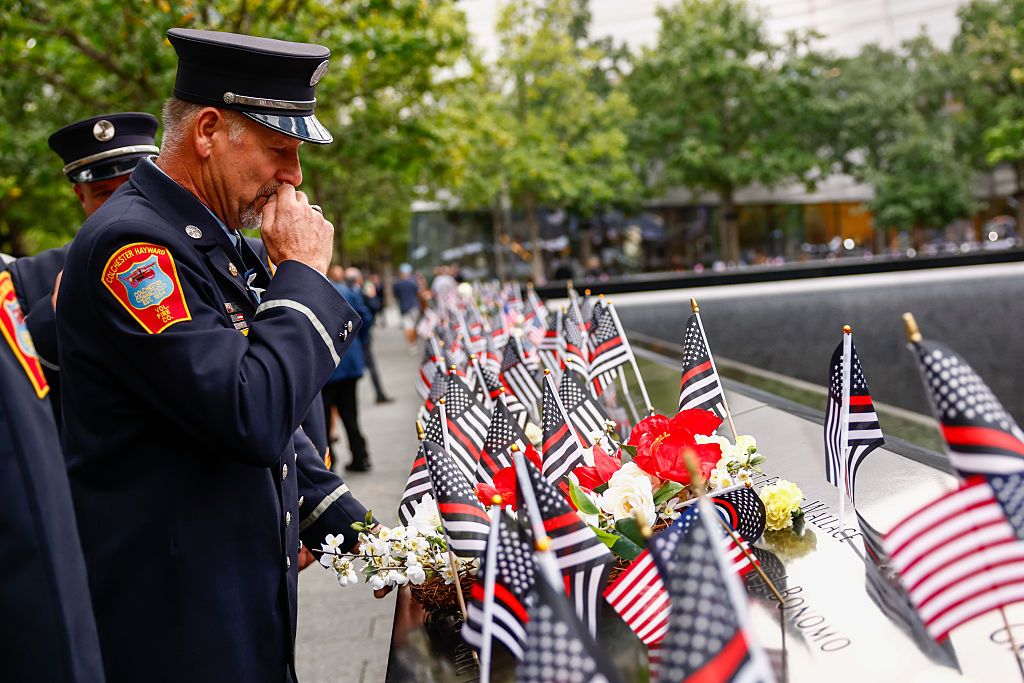
The September 11th Victim Compensation Fund (VCF) has recorded over 10,000 deceased claims, highlighting the ongoing health impacts of the attacks on responders, workers, residents, and others exposed in the aftermath. This marks a substantial increase from the 610 claims in 2015 and exceeds the 2,977 immediate deaths from the attacks.
A deceased claim involves an application from a victim’s representative or relative, seeking assurance of eligibility for compensation. The criteria include being in the exposure zone and having a related qualifying condition. Most approved death awards involve cancer; 5,997 out of 6,397 awards involved this disease, according to Michael Barasch, whose legal firm specializes in these cases.
Cancer Cases Rising
The World Trade Center Health Program is documenting an increase in cancers among those exposed. As of September 30, 59,279 cancer cases were certified, a significant rise from 3,204 in 2014. These certifications don’t equate to direct causation by 9/11 exposures but indicate conditions meeting the federal program’s requirements.
Barasch asserts that exposure to toxic substances after the collapse, such as dust and debris, necessitates continuous health monitoring. The World Trade Center Health Program, which now covers cancers and other conditions, was updated in 2012 to include these risks.
Survival Stories and Warnings
Christine Sakoutis, a former court clerk, shared her experience with early cancer detection. She advocated for rigorous health screenings for those exposed. Her story echoes the broader message that individuals need to take proactive steps for their health.
Eligibility Misunderstandings
Doug Mandelkow shared the story of his father, a former FDNY inspector who believed his role didn’t warrant health benefits since he was not directly on the debris pile. This misconception delayed his pursuit of assistance. Broader eligibility criteria mean many more qualify than initially assumed.
Claims can be submitted through 2090, with eligibility dependent on presence in the exposure zone and qualifying health conditions.
Attention to Rare Cancers
The Health Program is also seeing certifications for rarer cancers, such as neuroendocrine tumors, among others. Barasch cautions that not recognizing potential ties to 9/11 exposure can hinder timely treatment.
Challenges in Compensation
Obtaining compensation involves navigating a complex legal process. Barasch notes delays in filing due to requirements for legal authority and documentation. He supports a streamlined process to help families receive compensation more rapidly and advocates for changes to improve compensation calculations.
Ongoing Impact of 9/11
The milestone of 10,000 deceased claims illustrates the continuing toll the attacks have had. Families like Doug Mandelkow’s live with the heartbreak of losing loved ones years later. The contrast between immediate victims and later health claims points to the persistent impact of that day, while survivors like Sakoutis and others continue to advocate for awareness and support.