
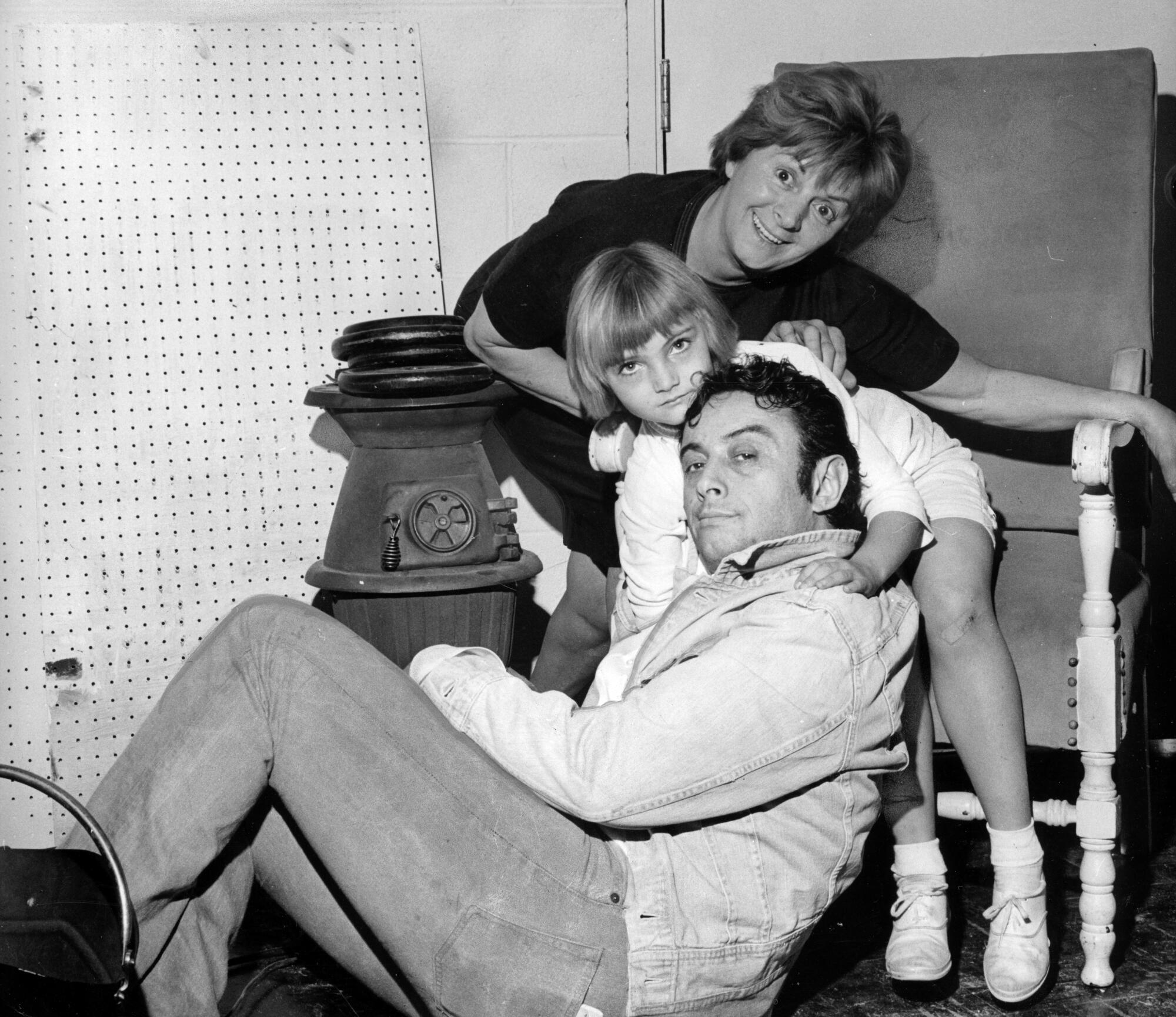
In the early 1960s, Lenny Bruce stood out as a bold comedian who challenged the conventional norms of stand-up comedy. Under constant scrutiny and threat of arrest by L.A. vice officers, Bruce attempted to reshape comedy, moving away from traditional one-liners and delivering political satire, criticisms of the powerful, and spontaneous narratives. His use of language set a precedent for future comedians.
In February 1963, Bruce faced obscenity charges in Beverly Hills Municipal Court. When the prosecutor questioned what he hoped audiences would gain from his act, Bruce responded that he aimed for audiences to gain compassion for humanity. His stand-up routine was misunderstood, leading to injustice for people he believed did not belong in jail. He advocated for a reduction in punishment and the release of non-violent offenders.
“I want them to stop punishing each other, and I want them to open up the jails,”testified the 37-year-old Bruce. He criticized his trial as madness and a waste of taxpayer money.
The charges stemmed from performances at venues such as The Troubadour and The Unicorn, where Bruce used explicit language and explored satirical themes, often offending societal taboos. These included a bit imagining an unusual act between the Lone Ranger and Tonto. This was just one of many legal battles Bruce fought, with some relating to drug charges, which he attributed to zealous vice officers targeting his act. He would carry a doctor’s note to justify needle marks from prescribed methamphetamine for mood stabilization.
Despite his innovative style, Bruce’s career dwindled, often consumed by recounting his legal struggles onstage. He died of a heroin overdose in 1966, at 40, leaving a complex legacy marked by conflict with authorities and perceived persecution. Minutes after his death, officers allowed journalists to photograph his deceased body, reinforcing the negative image some held of him as a controversial figure.
Renowned entities, including record producer Phil Spector, proclaimed Bruce a victim of police persecution. His influence lived on through portrayals in plays, films, documentaries, and TV shows like Amazon’s “The Marvelous Mrs. Maisel,” which introduced Bruce to a newer audience.
For many comedians and free speech advocates, Bruce holds a venerated status. He is seen more as a rebellious hero who highlighted hypocrisy and addressed sensitive topics such as religion and racial inequality. His use of satire was both comedic and insightful, targeting the commercialization of faith and societal double standards.
The trial in Beverly Hills was brief. It featured testimony by a vice squad sergeant familiar with both English and Yiddish, shedding light on Bruce’s unfiltered expressiveness. Despite some finding humor in Bruce’s uncensored wit, prosecutors argued that his content provoked prurient interests, reflecting cultural tensions of the era.
The jury could not reach a unanimous decision, resulting in case dismissal, yet law enforcement continued to pursue Bruce. His efforts to parody events, such as Jackie Kennedy post-assassination, proved contentious. Though acquitted on 1st Amendment grounds in Los Angeles, Bruce later faced a successful obscenity conviction in New York.
Many view Bruce’s controversial court battles as agents of societal change, pushing for more expressive freedoms in art and performance. However, modern societal norms challenge his legacy, as contemporary views on sensitive language have evolved. Debates continue about Bruce’s enduring relevance reflecting shifts in cultural acceptance and the boundaries of comedic expression.
Today, Bruce’s acts may not find favor within the politically correct campus culture, as changing sensitivities highlight his polarizing nature. Yet his role in shaping comedy and challenging censorship remains significant, contributing to broad conversations on free expression and societal progress.