
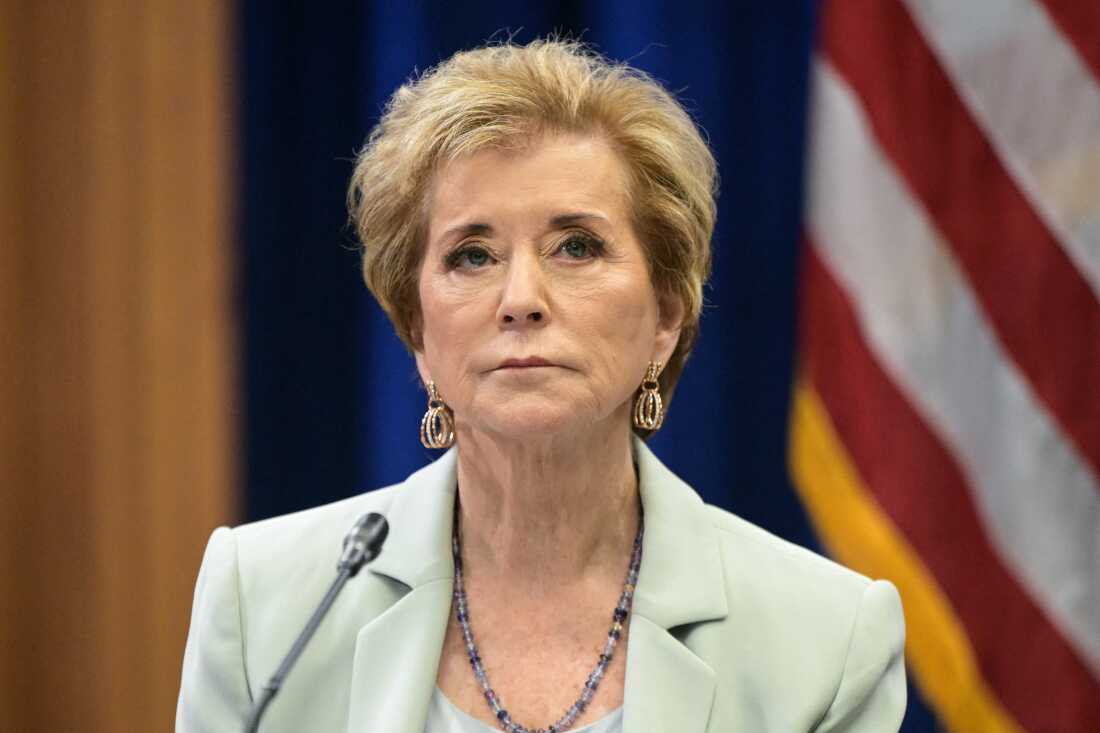
The class-action lawsuit involving student loan forgiveness has stretched over the terms of three U.S. presidential administrations and has involved three different education secretaries. Initially identified as Sweet v. DeVos in 2019, it became Sweet v. Cardona during Biden’s presidency and is now Sweet v. McMahon with Linda McMahon as Trump’s education secretary. This lawsuit has been pivotal in clearing the debts of nearly half a million federal student loan borrowers who alleged they were misled by their colleges.
This legal battle began against the first Trump administration seven years ago, focusing on a federal rule called borrower defense. This rule enables borrowers to seek debt forgiveness if their institutions deceived them regarding job prospects, credit transferability, or expected post-graduation salaries. During Trump’s initial term, many borrowers waited years for their claims under this rule to be addressed. Advocacy groups sued, asserting that Betsy DeVos, then Secretary of Education, unlawfully halted claim processing and unjustly dismissed applications without proper consideration.
Throughout its progress, the lawsuit evolved to match the names of different education leaders: from DeVos to Cardona, and now McMahon. Eileen Connor, executive director of the Project on Predatory Student Lending, the group behind the lawsuit, stated, “At the end of the day, this settlement has impacted over 450,000 people, and it’s improved their personal balance sheets by over $23 billion.” The outcomes of the Sweet settlement are projected to be the largest issued against the U.S. government once all discharges and refunds conclude.
Why the Delay?
In 2022, under the Biden administration, a major settlement was agreed upon within this lawsuit, pledging full and automatic loan relief for borrowers from a list of 150 primarily for-profit colleges. An additional 250,000 individuals were allowed to submit claims for relief within a brief window in 2022. The requirement was for the Department of Education to assess these claims in a timely manner, or they would have to discharge the loans.
Yet, the second Trump administration stated in court filings that it processed only 60,000 of those claims by the set deadline. The Education Department argued in court for more time, citing the necessity of 18 months for proper application reviews to ensure taxpayer funds are appropriately distributed to deserving borrowers. Nonetheless, the U.S. Court of Appeals for the Ninth Circuit, on July 17, dismissed this plea, highlighting the department’s delayed objection despite early settlement obligations.
An Education Department spokesperson, Ellen Keast, described the settlement timeline as “unrealistic” in a statement to NPR. She added, “The Department has complied in good faith with court orders, and we believe the court erred in not granting our reasonable request.”
Personal Stories of Impact
Borrowers like Jessica Feindt symbolize the human element of this protracted legal dispute. Living near Flint, Michigan, she was among the first in her family to attend college, enrolling at the University of Phoenix for a psychology degree. Marketing for the university saturated media in her area. She completed her degree in under four years but accumulated significant debt, having relied entirely on federal student loans.
Feindt later discovered she had been misled by her recruitment counselor about her degree’s acceptance into desired Michigan graduate programs. In 2022, she joined the borrower defense claim set as part of the post-settlement group. April court documents showed that the Education Department discharged $12 billion to nearly 300,000 borrowers post-settlement, which will increase further following the July ruling.
“I’m really angry about all the years that my family suffered under these loans,” Feindt expressed after discovering her college debts were eliminated following the Sweet case developments.