
Rep. Jim Jordan from Ohio recently addressed a congressional hearing focused on the NFL’s growing streaming practices and the increasing financial burden on fans. He highlighted the 1961 Sports Broadcasting Act and expressed concerns over antitrust issues, emphasizing the necessity for affordable NFL content access for all users. The dramatic rise in prices for game access across various platforms is a main concern.
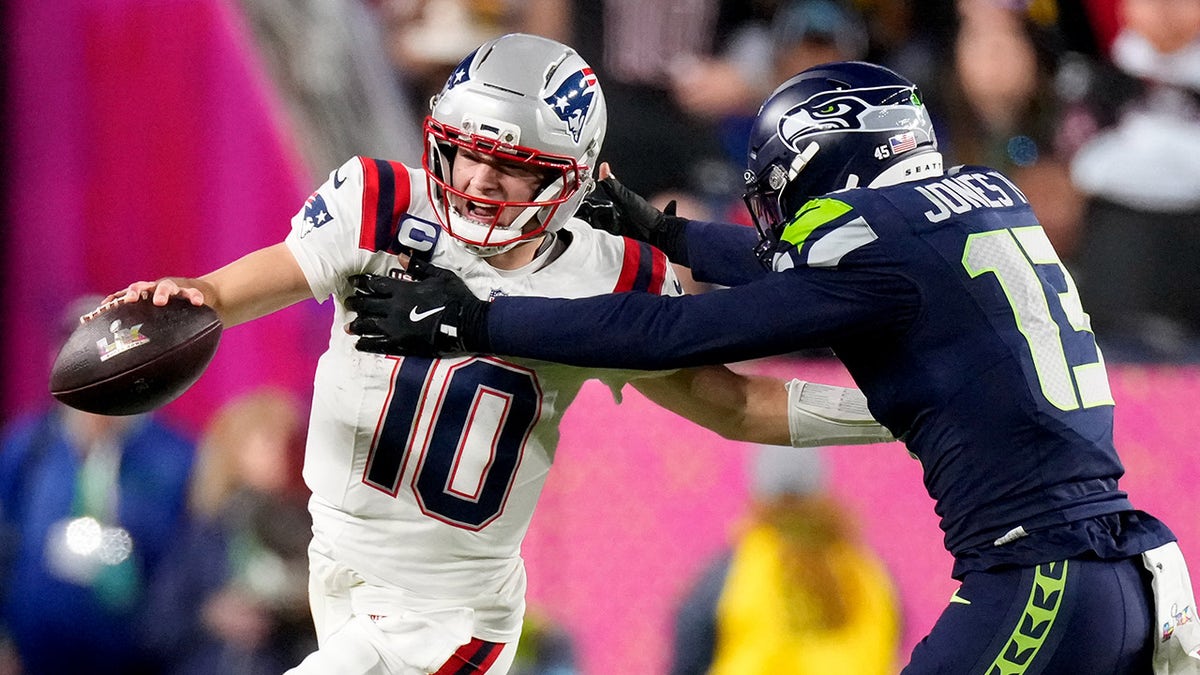
Last week’s opening game between the New England Patriots and the Seattle Seahawks marked the NFL’s lowest-rated opening-night since 2022. It attracted 25.1 million viewers on NBC and Peacock, indicating a 12% decrease from the previous season’s opener featuring the Dallas Cowboys and Philadelphia Eagles, which garnered 28.3 million viewers.
Changes to Nielsen’s measurement system partly explain the multiyear decline and notable year-over-year drop in viewership. NBC and the NFL suggest that shifting the opener to Wednesday for the first time contributed to the dip. Traditionally, Thursday has proven to be a more favorable evening for viewership.
“The rescheduling of the NFL opener from Thursday to Wednesday is not simply an excuse, but a consequence,” NBC stated about the ratings drop.
The NFL’s strategy includes leveraging streaming and international games as growth avenues. The Sports Broadcasting Act prohibits televised games on Fridays during high school and college football seasons, prompting scheduling changes. The Los Angeles Rams-San Francisco 49ers game couldn’t be scheduled on Friday in Australia, as it had been in previous years, resulting in a Tuesday scheduling and consequently pushing the Patriots-Seahawks opener to Wednesday.
On the eve of Thanksgiving, another Wednesday game will take place on Netflix. This season, four Friday games are planned, including one on Black Friday and three on Christmas Day, along with nine international games.
While there’s more football airing on TV due to the expanded schedule, fans worry about declining game quality. The rigorous schedule involving additional game windows, atypical weekdays, extensive travel, and minimal rest has led to notably sloppy and less prepared gameplay.
Patriots-Seahawks wasn’t an exception, drawing less interest being perceived as dull for most of the game. Additionally, early morning routines of working Americans contributed to reduced viewership. Another prime-time game followed the next evening, which further diluted the excitement around these national windows.
Maintaining enthusiasm for the NFL is challenging with signs of viewer fatigue becoming more apparent. NFL Commissioner Roger Goodell, alongside other stakeholders, must address the growing dissatisfaction attributed to high costs of accessing games spread across diverse TV networks and streaming platforms.
Despite the NFL’s unmatched popularity, persuasion to renew or negotiate broadcasting rights early was resisted by television networks, as media analysts speculated. OutKick highlighted the dangers of escalating prices for an inferior product, a strategy the NFL might underestimate the resistance to.