
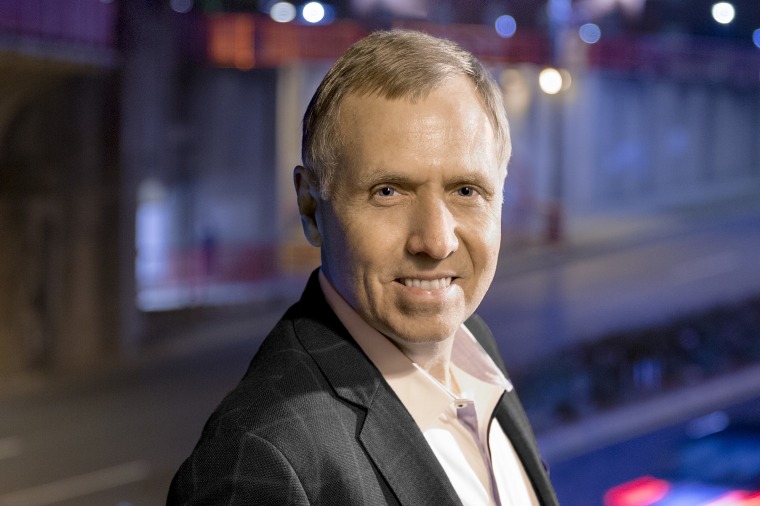
Judge Orders Payment to Chuck Redd
A federal judge in Washington, D.C., has mandated the Kennedy Center to compensate musician Chuck Redd for legal fees totaling $250,000. This decision comes after the arts center pursued legal action against Redd for pulling out of a Christmas Eve concert. He canceled his appearance following the addition of President Donald Trump’s name to the building’s facade.
Judge’s Decision
Superior Court Judge Tanya Jones Bosier dismissed the initial case in June, citing unlawful retaliation conditions against Redd. In a subsequent order issued Monday, Bosier assessed records meticulously to exclude any excessive or unnecessary charges, determining the Kennedy Center owed Redd $252,479.70. This amount is to be paid within 45 days. The Kennedy Center plans to appeal this ruling.
Reactions to the Lawsuit
Redd’s attorney, Lisa J. Banks, condemned the lawsuit as an attempt by the “Trump-controlled Kennedy Center” to suppress opposing views regarding the facade’s name change. She deemed the financial penalty appropriate, emphasizing that citizens should not have to fight unfounded politically driven lawsuits.
Originally scheduled to host the annual Christmas Eve Jazz Jam on December 24, 2025, Redd withdrew from the free show on December 19 after Trump’s name was added to the building.
Accusations and Counterarguments
The Kennedy Center accused Redd of violating its “morals clause” by publicizing his cancellation’s reasoning, which it characterized as misuse of the platform for political expression. The center claimed his cancellation led to lost public goodwill, wasted marketing efforts, and unnecessary concert preparation costs. However, the center’s initial president, Richard Grenell, had threatened Redd with a $1 million lawsuit before suggesting a settlement of $7,500.
Redd defended his actions, stating the concert was free, and he canceled early enough to allow for a replacement. He highlighted that he had not signed a contract and argued that his vocal opposition was the center’s real reason for targeting him.
Outcome of the Case
The judge agreed with Redd, noting he was among several artists scheduled to perform at the subsequently canceled event. Since the concert was free, the center neither sold tickets nor incurred costs for staff and performers due to multiple artist withdrawals. Judge Bosier observed that Redd was the sole artist publicly speaking against the name change and appeared to be the only one sued.