
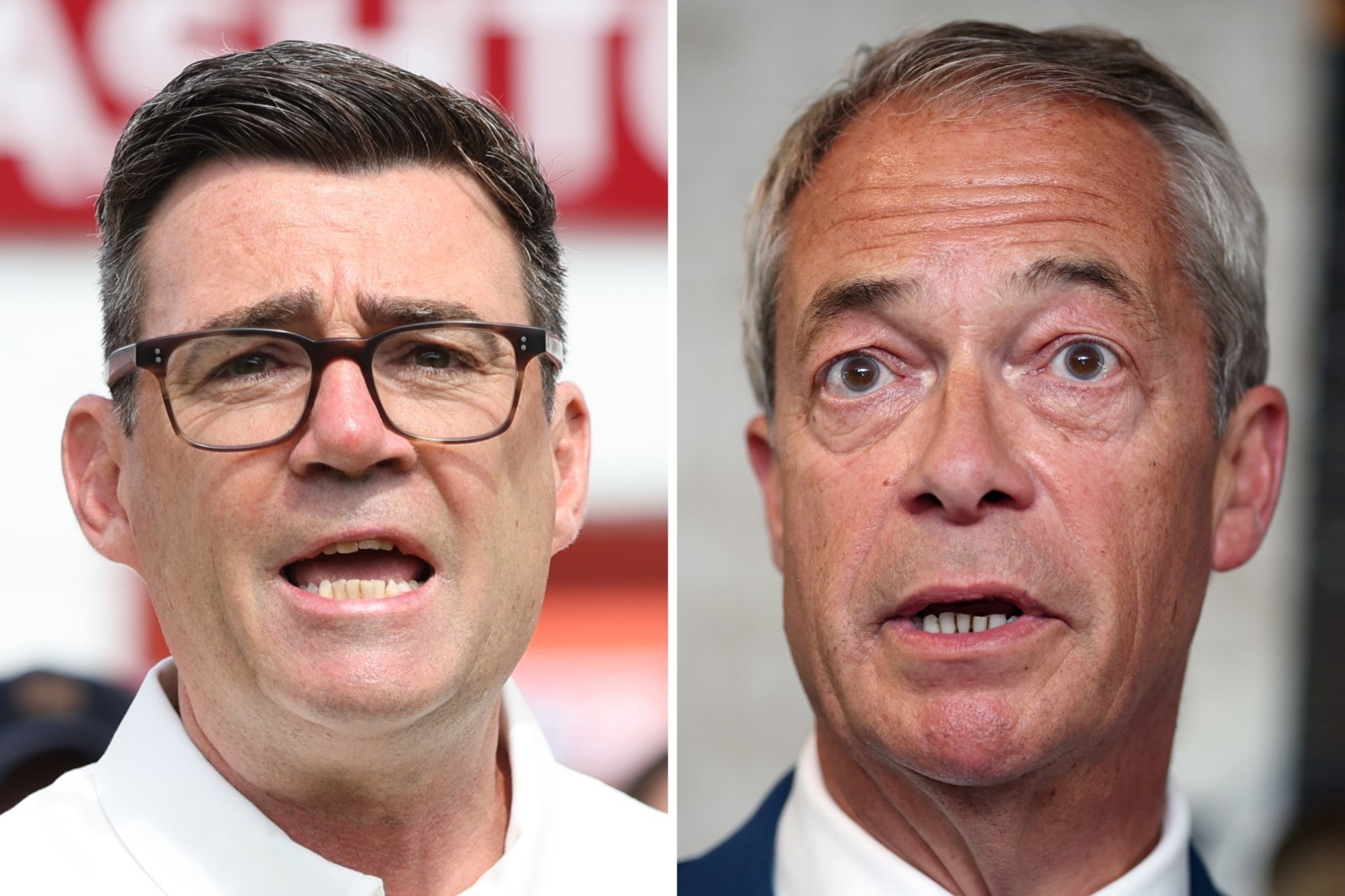
Keir Starmer’s resignation has intensified Britain’s political challenges and initiated a heated succession battle within Labour. Less than two years after Labour’s overwhelming victory, Starmer will depart as party leader, remaining in Downing Street until a new leader is chosen. The successor can assume office without triggering another general election due to Labour’s parliamentary majority, underscoring deeper instability.
The incoming prime minister will contend with several issues: Labour’s diminishing appeal against Reform UK, a constrained economy, and foreign-policy dynamics influenced by Europe, Trump’s Washington, and Britain’s defense commitments.
Despite retaining governance capability, Labour no longer commands national support. Nigel Farage’s Reform Party leads various national polls and makes strides in local government. Meanwhile, the Conservatives and Labour are engaged in fierce competition for right-wing votes as Liberal Democrats and Greens attract anti-Conservative, pro-European, and younger constituents.
Potential Successor to Keir Starmer
Andy Burnham, Greater Manchester’s mayor and a former Cabinet minister, emerges as the frontrunner. He is perceived as more emotionally engaging than Starmer, with firmer roots in Northern England, offering insights on class, public service, and patriotism.
However, Burnham or any successor faces intense pressures. Farage’s influence frames discussions on migration, net zero, crime, and Brexit. Michel Barnier has suggested increased UK-European proximity, hinting at possible return conditions. Trump’s Washington focuses less on UK domestic politics and more on Britain’s roles in NATO, Ukraine, AUKUS, and defense spending.
Starmer’s exit encompasses three questions: Can Labour maintain diverse voter bases? Can Britain renew its economic rapport with Europe without rekindling Brexit tensions? Can it sustain U.S. allyship despite pressures?
Political Outcomes
1. A Reform Government
Likelihood: Low
A Reform government emerging imminently hinges on several factors: an early election, Reform translating poll success to seats, and gaining enough support to govern. While projections hint Reform could become the largest party, majority control is unlikely.
The envisaged model might involve a minority government, alliances with Conservatives, or a right-wing collaboration lacking strong Conservative leadership.
A Reform-led administration could alter Britain’s direction swiftly. EU relations might stagnate or regress, youth mobility could become contentious, and alignment with Brussels could ignite Brexit dissatisfaction. Immigrant policies, North Sea oil, and public sector reforms could dominate.
Relations with Washington might rhetorically warm if Trump regains presidency alongside Farage. Yet commitments to defense, NATO, and Ukraine would persist.
Bottom line: While a Reform government is improbable within 12 months, it remains within the realm of possibility.
2. Snap Election Yielding Reform-Led Hung Parliament
Likelihood: Low to moderate
If Burnham opts for a mandate-seeking election or Labour faces internal turmoil, a snap poll could follow. Despite Labour’s substantial Commons majority, electoral necessity remains distant.
However, Reform might emerge largest if elections occur soon, as projections forecast significant seat gains across Great Britain. Yet tactical anti-Reform votes might cost Reform numerous seats.
Example: Makerfield displayed Reform’s strength in Labour regions, yet anti-Reform votes may hinder Reform dominance.
Bottom line: Labour’s irrational election call could result in a Reform-led hung parliament.
3. Economic Stumble for Burnham
Likelihood: Moderate
Here, Burnham’s government clogs not by political downfall but via economic entrapment.
Economic alarms persist. Inflation hovers, borrowing surpasses forecasts, and public debt soars. Defense demands and fiscal constraints intensify pressures.
Burnham might struggle to fulfill pledges amidst concerning market reactions to fiscal policies. Defense commitments weigh heavily, emphasizing international military rankings and financial obligations.
Bottom line: Burnham faces fiscal challenges compromising political pledges.
4. Burnham Survives—Reform Influences Agenda
Likelihood: High
This scenario poses lesser political turbulence for Burnham despite ongoing Reform influence.
Reform’s local-election success highlights broader trends: significant gains, council leadership turnovers, and Labour’s losses.
Immigration remains sensitive for Labour, presenting Reform with a compelling narrative: reduced migration figures contrast with perceived border insecurities.
Reform capitalizes on collective themes such as immigration, sovereignty, crime, and governance.
EU relations remain cautious, facilitated by potential rejoining talks sans immediate openness.
Bottom line: Burnham retains leadership, although Farage steers public perception.
5. Stabilized Labour—No Field Revolution
Likelihood: Highest
This scenario predicts Burnham’s premiership facilitating Labour stabilization without comprehensive transformation.
His Makerfield victory underscores Labour’s retained support in potential Reform territories.
The party anticipates modest recovery in specific voter groups, notwithstanding economic lethargy inhibiting broader progress.
U.S.-UK relations emphasize continuity, intertwined with economic strategies potentially enhancing pragmatic European ties.
Potential policies: prioritizing collaborative trade discussions amid cautious migratory steps.
Bottom line: Burnham advances governance temporarily reinvigorating Labour support.
Future Prospects for Burnham:
Burnham aspires to secure Labour’s voter base and navigate the economic landscape without alarming markets. Despite Labour’s Commons stature limiting formal collapse chances, political volatility remains viable through dissatisfaction with initial economic propositions.
Overall economic amelioration remains feasible, yet political pressures may prevent comprehensive recovery.
Predicted Mid-2027 Scenario:
By mid-2027, Burnham likely occupies Downing Street absent general elections, observing tentative EU cooperations and transactional U.S. dialogues. Reform maintains poll leadership while broader political dynamics portray fragmented party landscapes.