
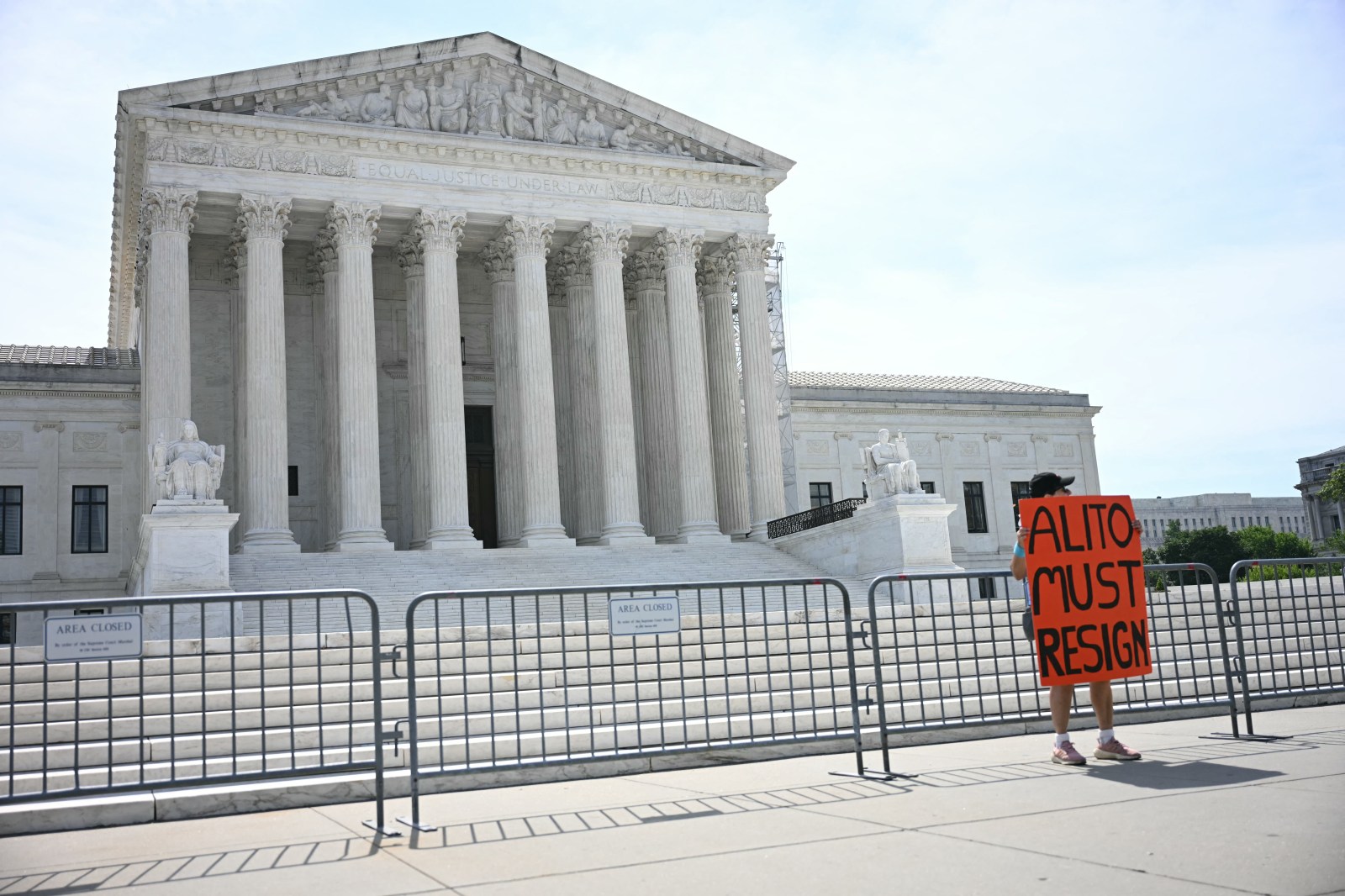
Supreme Court Justice Samuel Alito recently revealed that his decisions on the court, including the pivotal overturning of Roe v. Wade, led to the loss of some friendships. His interview with CBS News highlighted the challenges and consequences faced by justices in the majority on significant rulings. Appointed by President George W. Bush, Alito discussed how courage was required to move forward with such decisions due to their widespread implications.
The Impact of the Dobbs Decision
In the Dobbs v. Jackson Women’s Health Organization case, Alito wrote the majority opinion that effectively ended the federal constitutional right to abortion. This decision, leaked before its official announcement, marked a significant moment in Alito’s tenure. He noted that despite drafting the opinion without expecting a leak, the justices needed courage to proceed, given the decision’s broad impacts. Alito argued that abortion regulation should be community-based, asserting that the Constitution does not reference abortion as a protected right. The ruling faced staunch criticism from those maintaining that Roe v. Wade was a long-standing, affirmed precedent in American reproductive rights law.
Criticism from Political Figures
Alito addressed the criticism from recent Presidents Joe Biden and Donald Trump, who have spoken out strongly against court decisions. He noted a shift in how presidents publicly respond to Supreme Court rulings. Alito described criticism from both administrations as harsh, emphasizing that both political sides should be cautious with their rhetoric, as threats against court members have increased.
Gabe Roth, of Fix the Court, mentioned ongoing threats against the judiciary, attributing more damaging rhetoric to the Trump administration. He underscored the dire need for leaders to consider the potential consequences of their words, particularly regarding violence.
Contemplating Retirement
Speculation had arisen about Alito’s potential retirement, but he chose to remain on the bench, citing his active contribution to the court as a motivating factor. He acknowledged the yearly need to reassess his role based on health and political landscapes.
A Rare Insight from the Bench
Supreme Court justices typically communicate through their legal writings, making Alito’s interview, in which he shared personal impacts, noteworthy. Public perception of the court has waned, with a significant portion of the population expressing disapproval, as shown by recent surveys. Factors such as rulings affecting civil rights contribute to public sentiment that the court is dissonant from everyday American concerns.
Overall, Alito’s insights offer a glimpse into the personal and professional dynamics at the highest levels of the U.S. judiciary.