
A federal judge has halted the Trump administration’s attempt to impose new conditions on Supplemental Nutrition Assistance Program (SNAP) funding. This decision supports 19 Democratic-led states and Washington D.C., who argued that the proposed requirements threatened low-income family programs. U.S. District Judge Myong Joun granted a preliminary injunction against the U.S. Department of Agriculture’s (USDA) new conditions while the legal case continues.
The government representatives had argued against the injunction, suggesting the requirements aimed to improve federal fund oversight. Judge Joun stated he would provide further details on his decision later.
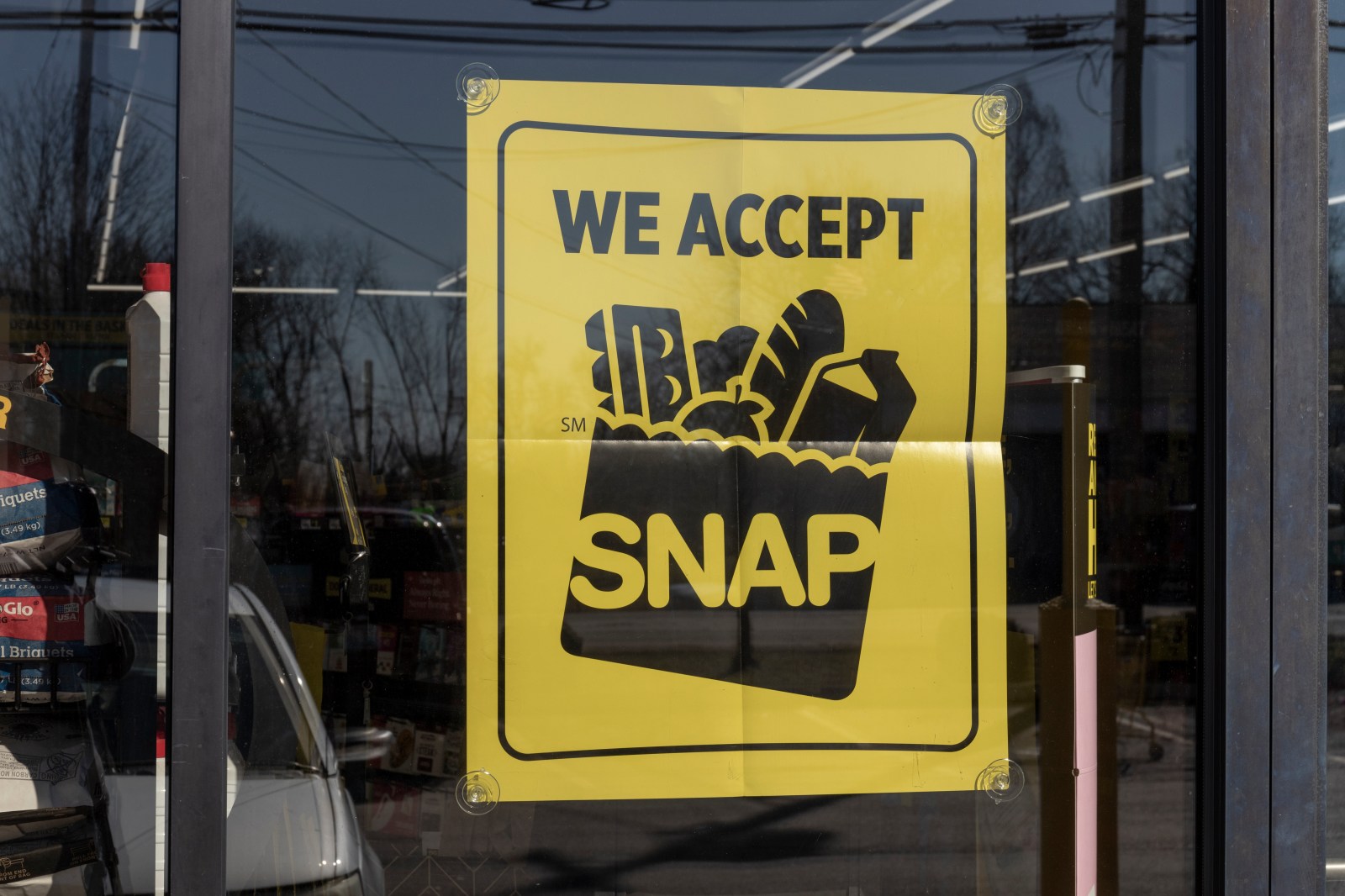
SNAP benefits aid low- and no-income U.S. households in purchasing groceries. Approximately 38 million Americans receive these benefits, though this number has dropped since January 2025 under the second Trump administration. News organizations have sought comments from USDA, but as of now, there has been no response due to the timing of the inquiry.
States Challenge USDA Conditions
In March 2026, a coalition of Democratic-led states filed a lawsuit, claiming that the USDA’s conditions unlawfully imposed on federal funding approved by Congress. These states collectively receive over $74 billion annually from the USDA and argued that the new conditions threaten essential programs.
A USDA directive at last year’s end required states to certify compliance with federal “policies” to continue funding. The lawsuit disputed these “2026 Conditions,” which took effect at the end of 2025, affecting all USDA programs, grants, cooperative agreements, and mutual interest agreements.
The plaintiff states argued the requirements were vague and forced compliance on matters unrelated to agricultural or nutrition programs. Key challenged requirements pertained to “gender ideology,” “immigration,” and “fair athletic opportunities” for women and girls. They accused USDA of erecting unconstitutional barriers between congressionally created programs and states relying on them, endangering nutrition support, agricultural research, and food chain safety.
Furthermore, the states claimed USDA lacked authority to enforce these conditions, violating the Constitution’s Spending Clause, and not following required legal procedures. The challenged conditions could impact a range of department-administered programs, including SNAP, school lunch programs, and the Special Supplemental Nutrition Program for Women, Infants, and Children (WIC).
Plaintiff states include Massachusetts, California, Illinois, Wisconsin, Colorado, Connecticut, Delaware, the District of Columbia, Hawaii, Maine, Maryland, Michigan, Minnesota, New Jersey, New Mexico, New York, Oregon, Rhode Island, Vermont, Virginia, and Washington.
Administration Defends the Policy
Government attorneys opposed the injunction by stating the requirements enhanced federal fund oversight. In court filings, administration lawyers argued that these requirements promote sound stewardship of taxpayer money, strengthen USDA control and oversight, and ensure grant recipient compliance with federal laws, regulations, and policies.
The Trump administration maintained that states should meet federal anti-discrimination laws as part of receiving federal funding, suggesting other policies require similar treatment.
Massachusetts Attorney General Andrea Joy Campbell praised the decision, stating, “When Trump tried to gut billions in USDA funding for states refusing to comply with his anti-immigrant agenda, we sued. The court just ruled in our favor, blocking his cuts while our case continues.” New York Attorney General Letitia James echoed this sentiment, noting, “We won a court order protecting billions of dollars in @USDA funding as our lawsuit continues. My office will keep fighting to protect New Yorkers and stop the federal government from punishing our state for refusing to bend.”