
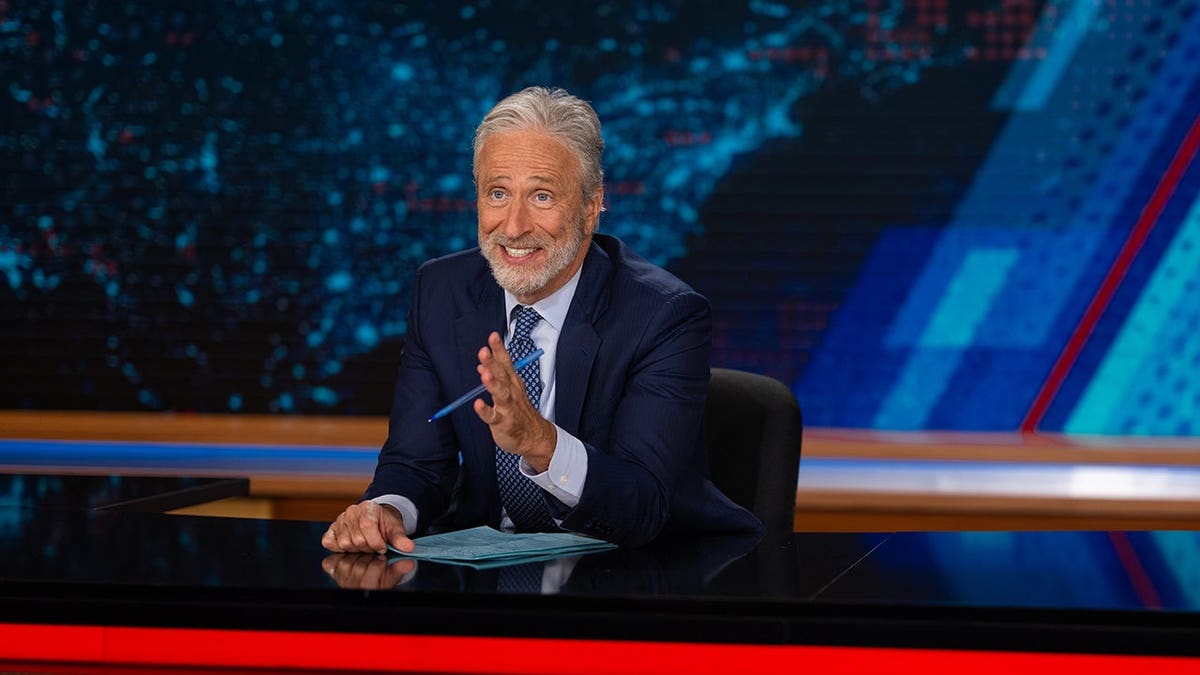
Talk show host Jon Stewart recently discussed with former first lady Michelle Obama whether shows like his are beneficial or detrimental to the nation. On Obama’s podcast “IMO,” Stewart was asked about the influence of “The Daily Show” on young people seeking news.
Obama raised concerns about the impact of comedy on the political climate, questioning whether it’s healthy for young people to rely on Stewart’s show for news. She noted that some even express a desire for Stewart to run for president.
Stewart began by inspecting the significance of his own show, suggesting that late-night programs are becoming outdated. He compared them to other relics like Blockbuster video stores, noting the influence of social media and the need for adaptation in the current media landscape. Commentators agree that the traditional format of late-night talk shows is increasingly being replaced by long-form podcasts.
Stewart acknowledged the difference between cultural influence and real power, explaining that while his show provides a cathartic experience for viewers, it may feel “impotent” compared to active, on-the-ground efforts for justice. He questioned whether such shows serve as a distraction or “opiate” for the public.
“Is it an opiate?” Stewart asked, emphasizing the gap between activists working daily for change and those resisting progress.
He pointed out the distinction between activists who work tirelessly to move society toward justice, often faced with opposition trying to reverse these efforts.
Stewart expressed curiosity about whether a double-blind study might reveal his show’s impact. He questioned if it helps, corrupts, or worsens political discourse. Despite doubts about its honorability, Stewart emphasized that his work is done in good faith and considered it a win if it contributed positively.
Tim Graham, executive editor at NewsBusters, shared similar concerns about the idea of Americans consuming news through comedy shows. According to Graham, this presents risks, as it can lead to distorted views. He likened political comedy to junk food, offering enjoyment but lacking substance.
Graham cited examples of misinformed interpretations arising from comedic portrayals, like the belief that Sarah Palin claimed she could see Russia from her house. He suggested that late-night comedy acts as an opiate, helping audiences cope with political developments, especially regarding Trump.
During the 2024 election, late-night shows heavily focused jokes on Trump and Republicans. Graham pointed out the irony of discussing partisanship on Michelle Obama’s podcast, given the media’s favorable coverage of the Obamas over the years.
Overall, the conversation between Jon Stewart and Michelle Obama sheds light on the evolving landscape of media, the role of comedy, and its implications for political discourse.