
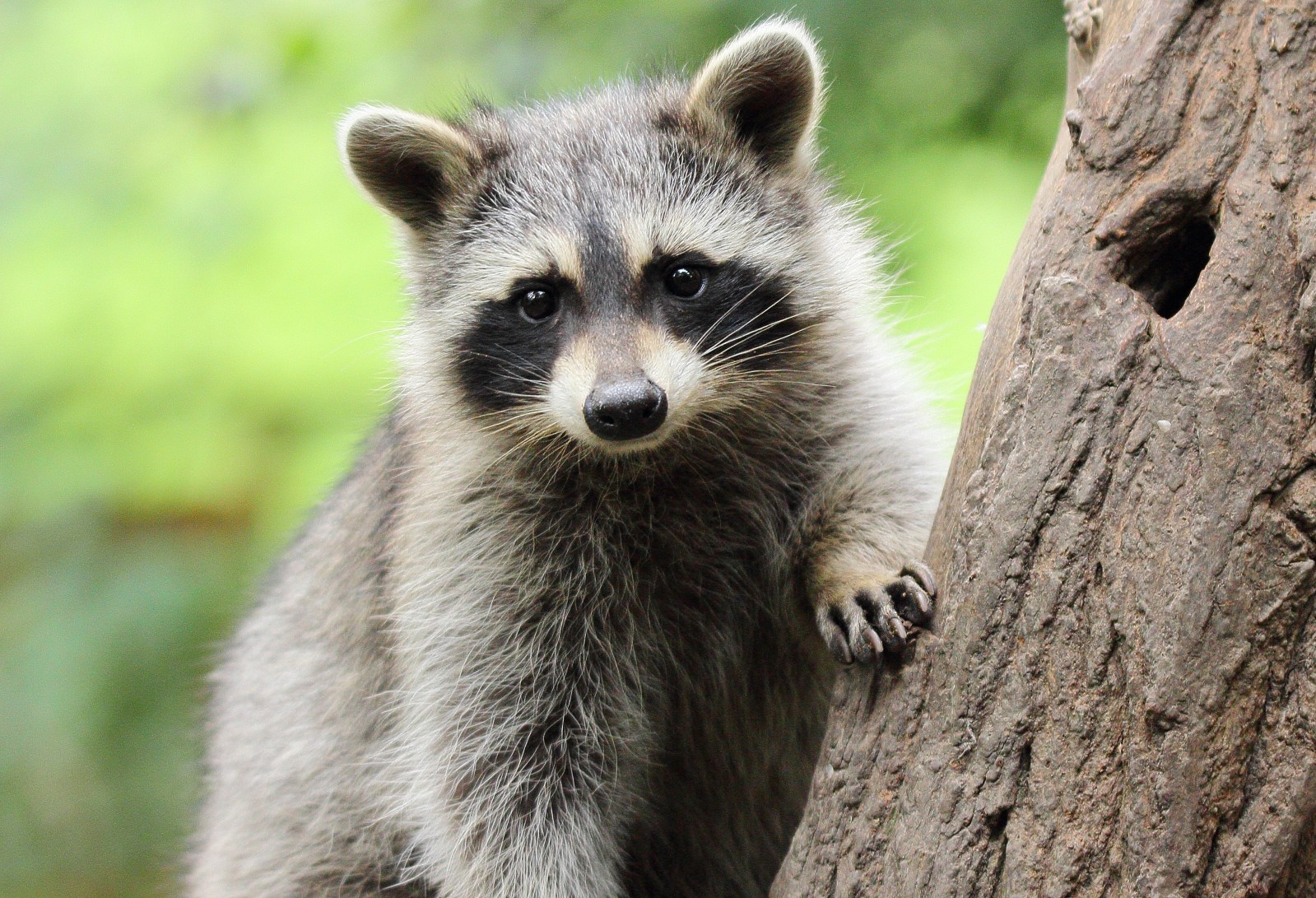
Jimothy, a raccoon from Seattle, has become an internet sensation this week. A video showing his unique physique, influenced by a rare congenital condition, captivated millions. This condition is more common in dogs but has affected Jimothy, making his body appear rounder and smaller than typical raccoons. Spotted on July 13 by Kiana Hall, Jimothy’s viral fame rapidly spread, leading to merchandise like apparel and a bobblehead created in his image, alongside a video game and artwork.
Jimothy’s popularity has led to the Seattle Councilmember Alexis Mercedes Rinck honoring him with a city proclamation at Bergen Place Park, symbolizing his impact on Seattle’s culture. Rinck stated that Jimothy embodies the idea that uniqueness is a source of admiration and represents something real amidst the digital world. Jimothy stands among Seattle’s quirky attractions, from the Fremont Troll to the Gum Wall.
“Jimothy is an example to all of us that you don’t have to be perfect to be loved. In fact, it’s what makes us different that makes us sensational,” Rinck told Newsweek.
Dr. Brian Collins from Cornell University suggested Jimothy might have Short Spine Syndrome (SSS), although this diagnosis is speculative without X-rays. SSS, a rarity among raccoons, might not affect Jimothy’s natural lifespan significantly. Animals with SSS may face challenges, including mobility issues, due to abnormalities in vertebrae. This condition can affect their ability to evade predators, especially in urban settings. Julian Avery from Penn State University cautioned against feeding Jimothy, as it might reduce his survival chances.
Though raccoons usually live only two to three years in the wild, Jimothy’s internet fame could aid his longevity if admirers keep their distance, avoiding interaction that could pose risks.
About Short Spine Syndrome
Dr. Collins explained SSS causes deformities in vertebrae, resulting in a distinct appearance. Though incredibly rare among dogs and even rarer in raccoons, Dr. Catherine Love from Arkansas highlighted that despite severe spinal deformities often being fatal, some raccoons survive early life challenges. Jimothy exhibits a corkscrew tail and unbalanced gait, symptoms of his condition.
Potential environmental factors or genetic components could underlie SSS. While it might make Jimothy more vulnerable to predators or affect social interactions with other raccoons, Collins noted Jimothy’s mobility appears relatively unimpeded.
The uncertainty surrounding Jimothy’s exact age contributes to his myth-like status. Some reports suggest sightings of Jimothy as early as 2017, while others have recent videos claiming him as a baby in 2025. Fox 13 speculated multiple raccoons in Seattle could exhibit similar conditions like SSS.
With Jimothy’s unique presence continuing to intrigue many, ensuring his safety and respecting his natural habitat become important considerations for his wellbeing, as noted by experts from Cornell and Penn State.