
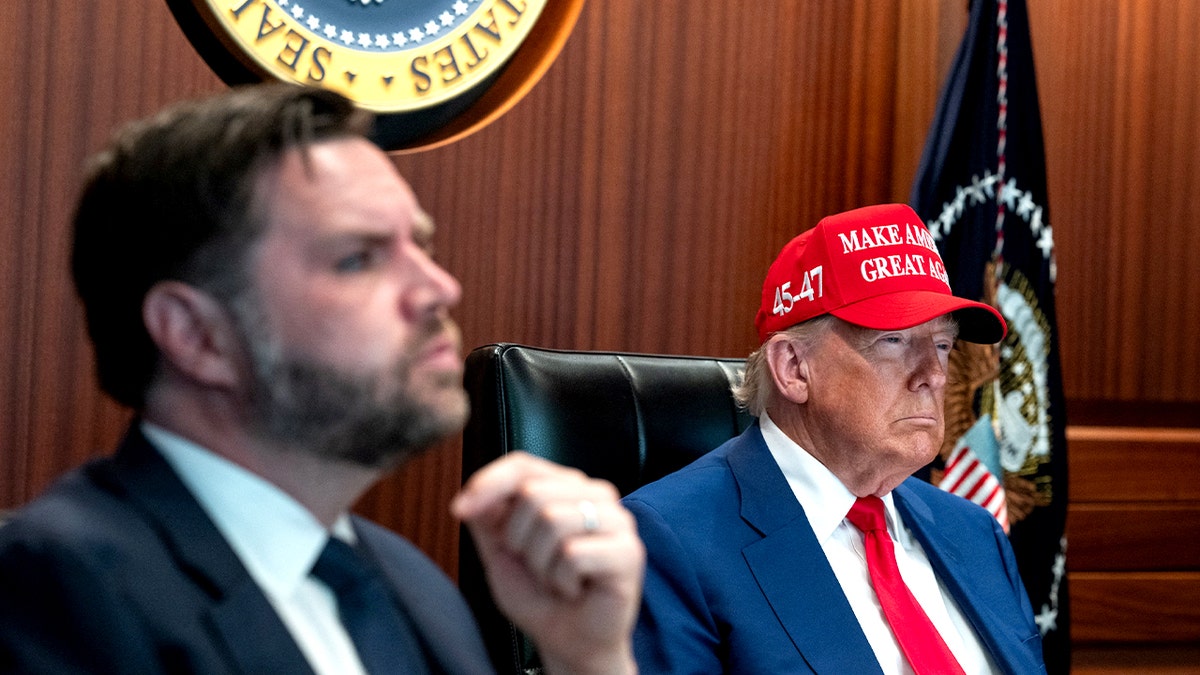
Vance Explains the US-Iran Agreement
The G7 Summit recently witnessed President Donald Trump outlining a new peace agreement with Iran. The president stressed that ultimate consequences would follow if Iran fails to adhere to its nuclear commitments. Vice President JD Vance has explained the simplicity of the deal, highlighting that no American funds will go to Iran. He pointed to the weakened state of Iran’s military and industrial infrastructure, underlining that the country cannot develop or purchase nuclear weapons as a result of these successful negotiations.
Comparison to Obama’s Previous Deal
Vance responded to concerns that the Trump-Vance deal resembles former President Barack Obama’s Joint Comprehensive Plan of Action (JCPOA). Critics argue that the new agreement seems similar to the 2015 deal, which was heavily criticized by Trump and Vance. The memorandum aimed at reopening the Strait of Hormuz ensures Iran receives economic benefits only after meeting nuclear restrictions. Vance emphasized the reversal of the carrot-and-stick approach seen in the Obama deal.
Outcomes of the Deal
During an interview, Vance explained that the US stands to win regardless of Iran’s actions. If Iran fails to comply, its nuclear program will be dismantled, and the Strait of Hormuz will remain open. On the other hand, compliance could lead to significant economic cooperation for Tehran. Host Jesse Watters agreed, noting the deal’s divergence from the Obama-era approach.
US-Iran Relations: A Historical Context
The Obama administration took a similar stance in 2015, stating that testing peaceful solutions poses no risk. President Obama highlighted that any future president would be in a stronger position if Iran violated the agreement. However, Vance noted that few nuclear stockpiles remain after recent US actions. He reiterated the need for Iran to dismantle its centrifuges and reduce stockpiles before any economic relief.
Skepticism and Concerns
Opponents of the deal, including Senator Mark Kelly, expressed skepticism about its effectiveness, claiming the accord closely resembles an arrangement Trump would have criticized. Iranian security expert Behnam Ben Taleblu shared concerns about dealing with the Islamic Republic. He stressed the need for transparent disclosures of the deal’s text to assess its value against previous agreements.
Future Implications
The agreement includes immediate waivers for Iranian oil exports and sets a $300 billion economic development framework. An official highlighted that oil waivers remain the sole major benefit for Iran before a conclusive agreement within a 60-day period. Negotiations would cease if Iran failed to act in good faith. Taleblu emphasized the need for strong public communication to gain support, pointing to Iran’s long-standing conflict with the US and potential future conflicts with China.