
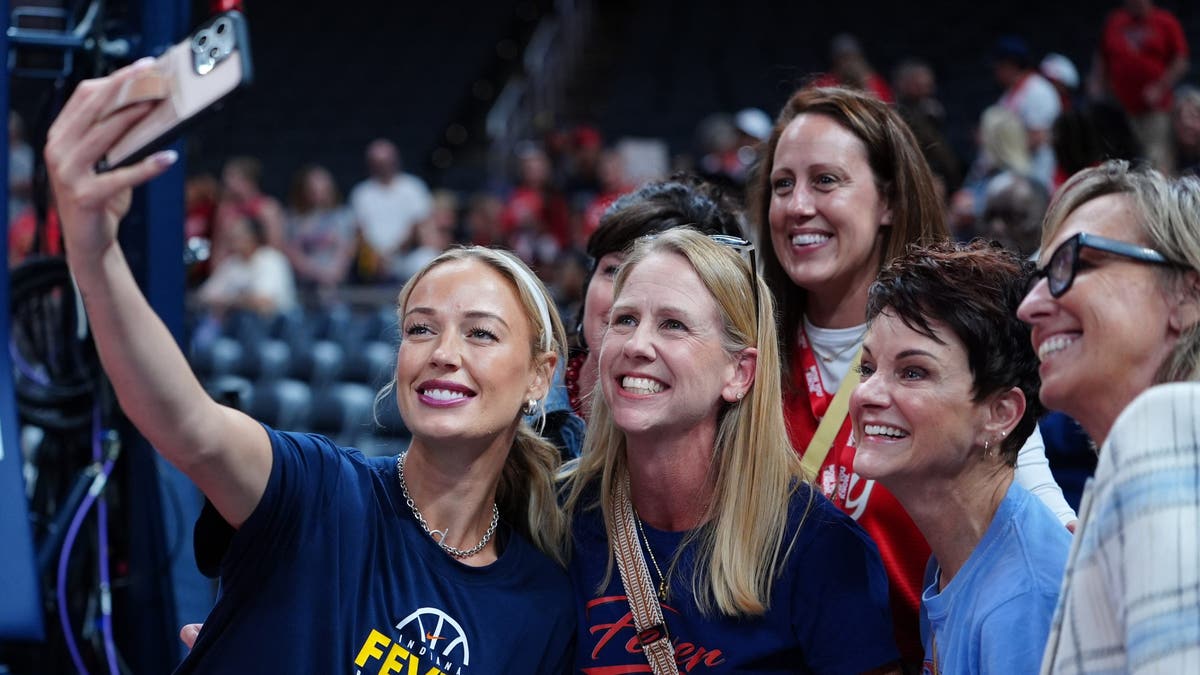
Controversy Surrounding WNBA Fans
The WNBA faces an ongoing issue involving allegations of racism, notably targeting fans of Indiana Fever and Caitlin Clark. Since Clark’s debut in the league, accusations of racism have been frequent and intensified. Conversations with Las Vegas Aces fans highlighted the hostile nature of this rhetoric.
Fan Interactions and Controversies
When controversies unfold in sports, it’s vital to engage directly with fans to understand their perspectives. In the WNBA’s case, there have been rallies and protests, such as those supporting Sophie Cunningham, which bring these issues to the forefront.
During a recent incident, A’ja Wilson confronted a fan in Indiana. The interaction raised questions about player conduct and the league’s response. The absence of repercussions for Wilson fueled passionate debate among fans.
An Aces fan shared her view, linking the incident to broader racial issues: “I think it’s more about racism and concerns regarding Fever fans being racist.” Her stance reflected a common framing of such incidents, although Wilson herself clarified that her reaction was not due to racial slurs.
Fan Allegations and Scrutiny
In another conversation, an Aces supporter claimed, “Indiana Fever fans are racist,” detailing past experiences of hostility at Gainbridge Fieldhouse. Despite these claims, both eyewitnesses and multiple sources confirmed that during the Wilson incident, no racial slurs were uttered.
Debate continued about whether the fan’s actions provoked Wilson. The Aces fan argued that the Fever fan’s behavior justified Wilson’s unsportsmanlike conduct, although evidence contradicted this justification.
Divisive Claims and Impact
These divisive accusations exacerbate tensions within the league. Such unfounded claims harm the WNBA by perpetuating false narratives. Yet, some contend that racially charged behavior is prevalent among Indiana Fever fans.
A’ja Wilson’s mother displayed a “Love Beats Hate” sign post-game, underscoring the emotional stakes involved. Nevertheless, the conversation on racism must remain grounded in fact to maintain its significance and credibility.
The WNBA’s passionate fan base, while instrumental in elevating the league’s profile, faces challenges rooted in these unfounded accusations. These issues not only tarnish the reputation of Indiana Fever supporters but also distort discussions about genuine instances of racism.