
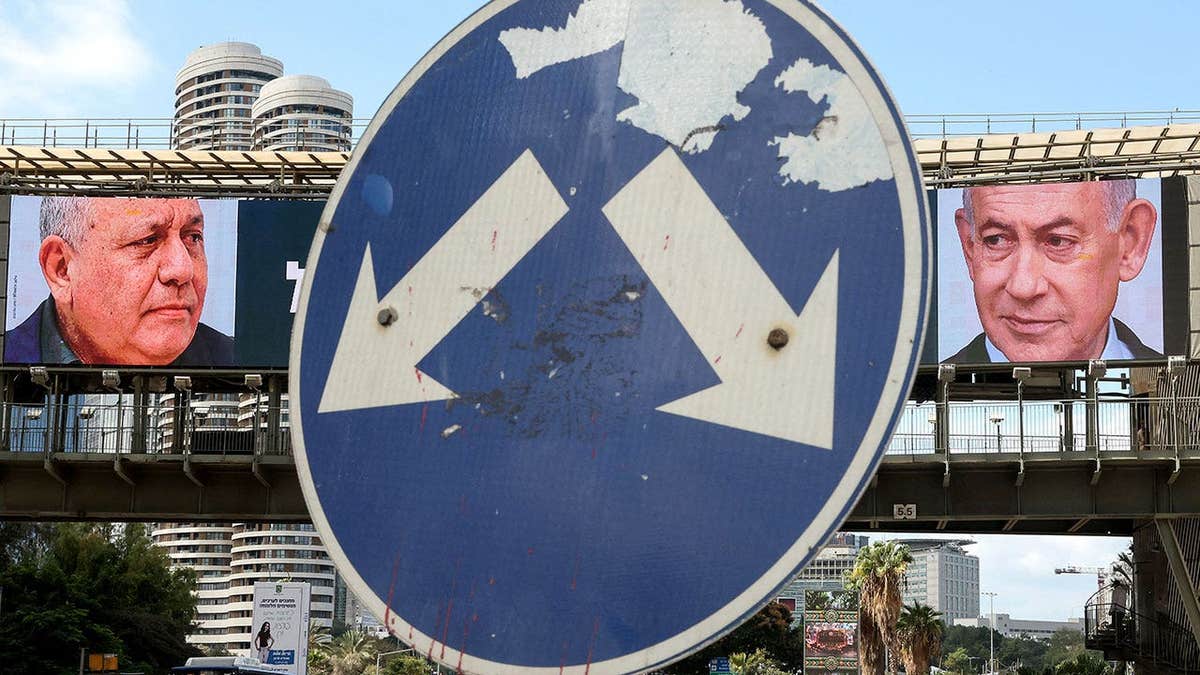
In Tel Aviv, Israel, the governing coalition led by Prime Minister Benjamin Netanyahu is struggling to find a parliamentary majority. Newly counted ballots have shown an increase in support for Arab parties, which may give the opposition enough votes to challenge his control of the Knesset.
As of Thursday morning, 93.8% of ballots were counted, including those from the double-envelope count. Netanyahu’s right-wing and religious bloc is projected to win 53 seats in the 120-member Knesset. In comparison, the opposition bloc led by former military chief Gadi Eisenkot is expected to secure 48 seats. Two Arab parties combined are projected to gain 19 seats, potentially forming a parliamentary majority against Netanyahu, totaling 67 seats.
The updated figures show Netanyahu’s Likud party remains the largest with 26 seats. Eisenkot’s Yashar party follows with 21 seats. Former Prime Minister Naftali Bennett’s Beyachad party is projected to have 12 seats. These figures are still preliminary.
The results indicate that neither Netanyahu nor Eisenkot will have the required 61 seats to form a government independently. This situation raises the possibility of challenging coalition negotiations or another election.
Arab Voter Participation
A significant shift in Arab voter turnout has been observed, reaching approximately 80%. This is a notable increase from 53.2% in the 2022 election, according to the Israel Democracy Institute. The Joint List is projected to win 11 seats, while Ra’am could secure eight, nearly doubling the Arab parties’ representation from the prior election.
Overall voter turnout reached 77.7% by the close of election night, marking the highest level since 1999. The increased participation of Arab voters could play a decisive role in determining the composition of the next government.
Allegations of Foreign Interference
Political tensions have intensified following a Channel 12 report alleging that funds from Qatar were potentially used to sway voter turnout in Arab communities. These allegations remain unsubstantiated, and investigations are ongoing.
The report suggested that some funds might have traveled through channels previously used to support terrorist organizations. Intelligence concerning suspected foreign interference was presented by Shin Bet to Central Elections Committee Chairman Justice Noam Sohlberg, prompting an investigation.
Qatar has denied the allegations, accusing Israeli politicians of dragging the nation into domestic disputes. Acting Central Elections Committee director general Dean Livne also rejected claims of election misconduct.
Political Ramifications
Netanyahu’s Likud party challenged the legitimacy of the Arab parties’ gains, accusing them of voter fraud, which has not been substantiated.
Opposition leaders, including Eisenkot, reacted strongly to the allegations, emphasizing the need for a thorough investigation. The likelihood of the election being invalidated is seen as slim.
Democrats party leader Yair Golan urged opposition leaders to form a new government swiftly, reflecting the voters’ demand for change.
Prospects for a Unity Government
There is speculation around forming a national unity coalition involving Netanyahu’s Likud and Eisenkot’s Yashar party. Such a coalition would exclude the Arab parties and Netanyahu’s far-right allies, potentially avoiding major political conflicts.
Figures close to former U.S. President Donald Trump have expressed interest in excluding far-right elements from a future government. Trump’s associates have assessed possibilities for a stable coalition.
While Netanyahu’s current coalition lacks a parliamentary majority, the process of forming a new government could take weeks. Meanwhile, foreign interference allegations continue to be investigated.