
The Iranian government has pledged to strike back against expanded U.S. sanctions. Iran’s Economy Minister, Ali Madanizadeh, labeled these actions as an ‘economic terrorist attack’ during a televised interview. He emphasized that the U.S. should ‘expect an attack’ from Iran, indicating an assertive stance in response to the U.S. measures that have been in place since 1979 following the American embassy incident in Tehran. Despite these sanctions, both China and Russia have shown no immediate signs of compliance, as stated by Madanizadeh.
During a press conference, Chinese Foreign Ministry Spokesperson Lin Jian criticized the sanctions as ‘illegal unilateral’ actions. The ministry’s opposition highlights the complexity of international reactions to U.S. policies. Madanizadeh suggested that Iran’s response would not merely be defensive but did not specify the nature of the intended counteractions.
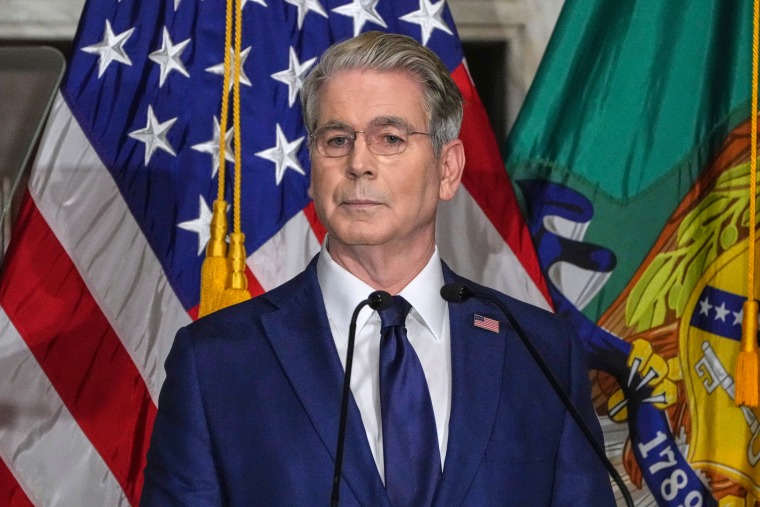
A recent announcement by U.S. Treasury Secretary Scott Bessent introduced further economic restrictions against Iran. Termed ‘Operation Economic Outcast’, these measures target five key sectors: digital assets, technology, gold, aviation, and shipping. Nearly 60 entities, individuals, and vessels across various jurisdictions have already been sanctioned for allegedly enabling the Iranian regime’s risky activities.
The United Arab Emirates’ recent decision to halt all financial transactions with Tehran reflects the broader economic isolation Iran faces. However, on the streets of Tehran, reactions to the new U.S. measures are mixed. Farzin, a mechanic, expressed a sense of indifference, noting the ability to continue importing car parts through various channels, both legal and illegal.
Despite the sanctions intended to pressure Iran economically, Andreas Krieg from King’s College London observes that Tehran views these actions as a threat to regime survival, not as leverage for negotiation. This interpretation leads to increased tension, with Iran’s potential for increasing pressure on the Strait of Hormuz — a vital route for global oil trade.
Iranian President Masoud Pezeshkian stated that the U.S. needs to adjust its diplomatic approach, warning that forceful methods exacerbate the situation. The ongoing blockade of the Strait has resulted in soaring energy prices and reciprocal blockades from both the U.S. and Iran.
The escalating situation has also seen Iranian media broadcasting threats towards Barron Trump, further aggravating the conflict. U.S. Secret Service spokesperson Nate Herring confirmed the agency’s awareness of these threats, stressing the importance of protective intelligence without providing specific details.