
Iran’s Foreign Minister, Abbas Araghchi, noted that the tentative deal aimed at ending the conflict between Iran and the United States requires Israeli withdrawal from Lebanon. This condition has been rejected by Israel and could jeopardize the deal, potentially leading to further conflict.
The deal itself remains undisclosed, and interpretations of it differ. Though Israel is not a party to the agreement, it is involved in the conflict. Israel joined the United States in strikes against Iran on February 28 and has engaged with Hezbollah in Lebanon, occupying parts of the territory.
“Without the withdrawal of Israeli forces from the territories they occupied during this war, the war has not fully come to an end,” said Araghchi.
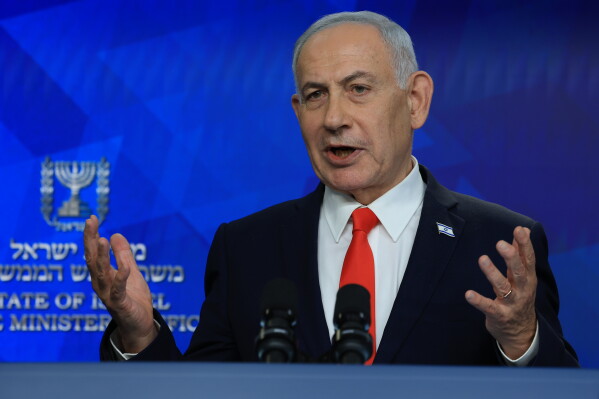
A U.S. official, speaking anonymously, stated the deal did not demand Israeli withdrawal. Israeli Prime Minister Benjamin Netanyahu has declared that Israeli forces will remain in Lebanon as necessary.
Disagreements like these have stalled negotiations in the past, fostering a fragile ceasefire that has not resolved tensions, including the blockage of the Strait of Hormuz, a key route for global energy supplies.
Switzerland announced a signing ceremony for the agreement at the Bürgenstock resort, Luzern, endorsed by Pakistani and Qatari mediators, alongside the U.S. and Iran. Pakistan, a mediator, claims the deal calls for ending military actions, aligning with Iran’s stance.
Yet Araghchi’s requirement for an Israeli pullout complicates the situation, as Israel seeks to counter Hezbollah without straining relations with its main ally, the U.S. Israel’s aggressive military actions have resulted in significant loss of life and displacement in Lebanon.
There are also talks about bringing the nascent U.S.-Iran agreement to Congress for review, though some U.S. lawmakers express doubts about its impact on Iran’s nuclear ambitions.
The U.S. Congress needs more details on the deal before approval, say some Republicans.
Meanwhile, Lebanon, initially wishing to stay distant from U.S.-Iran negotiations, now supports a ceasefire. Discussions indicate Israel may need to vacate nearly all Lebanese territories except some hilltops, reinforcing Iran’s position in final talks.
The ceasefire agreement also intends to resume operations in the Strait of Hormuz and lift the U.S. naval blockade on Iranian ports. Pakistan confirmed plans for reciprocal actions from Iran.
The U.S. and Iran will engage in 60 days of negotiations over Iran’s nuclear program and possible sanction relief. The deal includes potential release of Iran’s frozen assets and a rebuilding fund, dependent on Iran meeting specific conditions.
G7 leaders, despite differences with Trump, emphasize the necessity of the deal for peace in the Middle East. Some countries express readiness to help, with France and others ready to assist in reopening the Strait of Hormuz peacefully.
As discussions proceed, crucial elements regarding Iran’s nuclear program remain unresolved, including verification of compliance and control over enriched uranium stocks.