
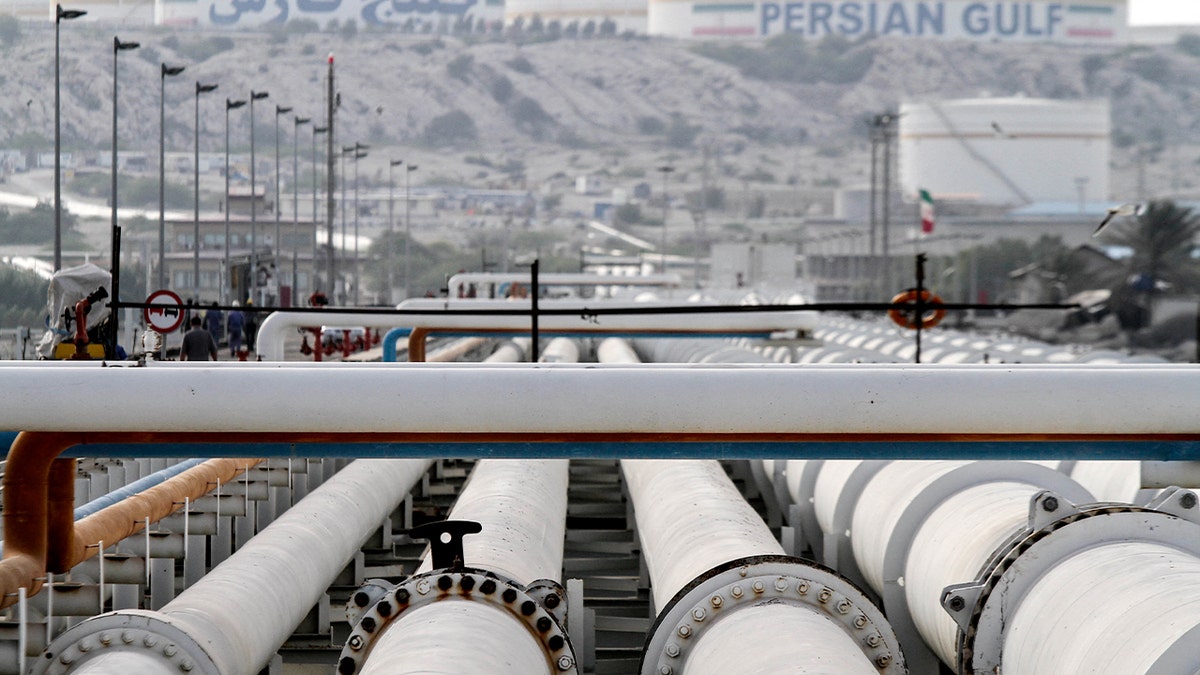
Iran is dealing with a significant financial challenge due to a U.S. naval blockade that threatens its crude oil revenues. By mid-December, the blockade might cut off a vital source of income, impacting ordinary Iranians more heavily than the military. Energy intelligence firm Kpler reports that Iran’s trackable oil inventory in the region has dropped to zero, predicting a cessation of crude revenue by mid-December.
“The December timeline is more of a cash flow kind of disruption,”
said Miad Maleki, an expert on Iran sanctions and finance. He explains this isn’t an immediate financial collapse. Instead, Tehran might protect military spending by reducing civilian programs, allowing inflation to diminish purchasing power.
The effort complicates Washington’s strategy, potentially disrupting Tehran’s major cash source without starving the military. Oil constitutes about 30% of Iran’s government budget, as noted by Gregory Brew from the Eurasia Group.
This year, Iran aimed to export approximately 1.7 million barrels daily at $54 per barrel, although actual exports have lagged. Yet, rising oil prices have allowed Tehran some financial flexibility. Maleki suggests oil revenue, directly and indirectly, accounts for 50% to 60% of the regime’s income.
Despite the looming deadline, Iran won’t run out of money in December. Nevertheless, Tehran faces tough choices: cutting expenditure, borrowing, or increasing deficits. These could affect subsidies and pensions while worsening inflation. Brew highlighted that more government borrowing and deficit spending are expected, increasing inflation risk.
Military spending might not suffer similarly. Instead, non-military expenditure could face significant reductions, as military spending is maintained or increased due to the regime’s war posture. Iran is allocating resources to revamp missile production and repair its nuclear infrastructure.
The Treasury Department detailed that Iran dedicates 200,000 barrels of crude daily to its armed forces, which can sell this oil to support military operations. This revenue facilitates investments in equipment and support for groups like Hezbollah and Hamas.
The Islamic Revolutionary Guard Corps (IRGC) benefits from separate revenue channels, including smuggling and black-market activities. Sanctions have bolstered the IRGC’s economic influence, despite the pressures on Iran’s economy overall.
Before the U.S. blockade, Iran held 135 million barrels in offshore storage. This reserve has since depleted. U.S. Central Command estimates the blockade has already led to $25 billion in lost revenue for Tehran. However, smaller oil quantities might still be transported via land routes, maintaining some income.
An agreement with the U.S. that permits Iranian tankers to exit the Persian Gulf could alter the current situation. Without such a deal, economic pressure is predicted to increase. Iran faces a critical period starting in March as it plans its new fiscal year with reduced oil income. Brew warns that the release of a new budget under these conditions could lead to economic unrest.