
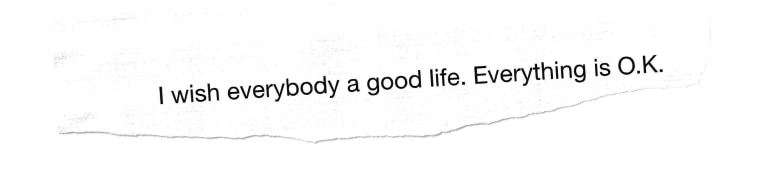
For decades, Texas has posed a solemn question to prisoners on the brink of execution: Do you have a last statement? In the execution chamber, these words have opened the floor for inmates to express remorse, defiance, or acceptance.
The path to death row in Texas requires a unanimous jury verdict of capital murder. This typically involves severe crimes such as the murder of multiple victims or law enforcement officers. Those executed have included various criminals, from serial killers to bank robbers.
Texas recently marked its 600th execution, cementing its position as the leading state in capital punishment since the Supreme Court’s 1976 ruling on its constitutionality. Since then, each inmate’s final words have been meticulously documented.
Last Words: A Consistent Reflection
NBC News analyzed the final statements, both spoken and written, from inmates in Texas. These statements often share common themes, despite the passage of time. Many inmates express sorrow, love, defiance, or guilt.
“I am so sorry. I ask that you please, please don’t hate me and that you can find it in your heart to forgive me,” said Edward Busby Jr., recently executed at the age of 53.
Busby, convicted for the murder of a retired professor, Laura Lee Crane, pleaded for forgiveness as part of his final words.
The Humanity Behind Last Words
Scott Vollum, a criminology professor, has studied the last words of Texas inmates. He highlights the humanity revealed in these statements, showing that even those who commit severe crimes can reflect on their actions and seek redemption.
Expressions of love, forgiveness, and responsibility frequently appear. In 2008, Vollum’s examination noted these themes were evident in over 300 statements.
The Changing Nature of Final Words
Although not all inmates give last statements, a growing number choose to speak. Sometimes they show defiance, questioning the justice system imposing their fate.
Religion plays a significant role, as prisoners often invoke God or spiritual sentiments. One inmate, Jermarr Arnold, sang “Amazing Grace” as part of accepting his fate.
Amidst apologies, some inmates reflect on their crimes’ broader impacts. George Hopper, executed for the murder of a nurse, acknowledged the lives affected by his actions. He sought solace in God while on death row.
Expressions of Defiance and Reflection
While some prisoners argue against capital punishment by labeling it as revenge, others, like Jeffery Doughtie, struggle with its morality. Some inmates used their last words to assert innocence or highlight overlooked case details.
Final statements also serve to connect inmates with each other. Solidarity is often expressed as prisoners encourage one another to remain strong.
A Necessary Tradition
Former warden Jim Willett oversaw numerous executions and views the tradition of final statements as essential. It provides a chance for those condemned to claim a final moment of humanity.
Despite the gravity, a few inmates seek levity. They might cheer for their favorite sports teams or speak with dark humor.
The impact of these statements resonates beyond execution. Kristin Houlé Cuellar of the Texas Coalition to Abolish the Death Penalty sees value in preserving these words as reminders of the broader effects of the death penalty on all involved.