
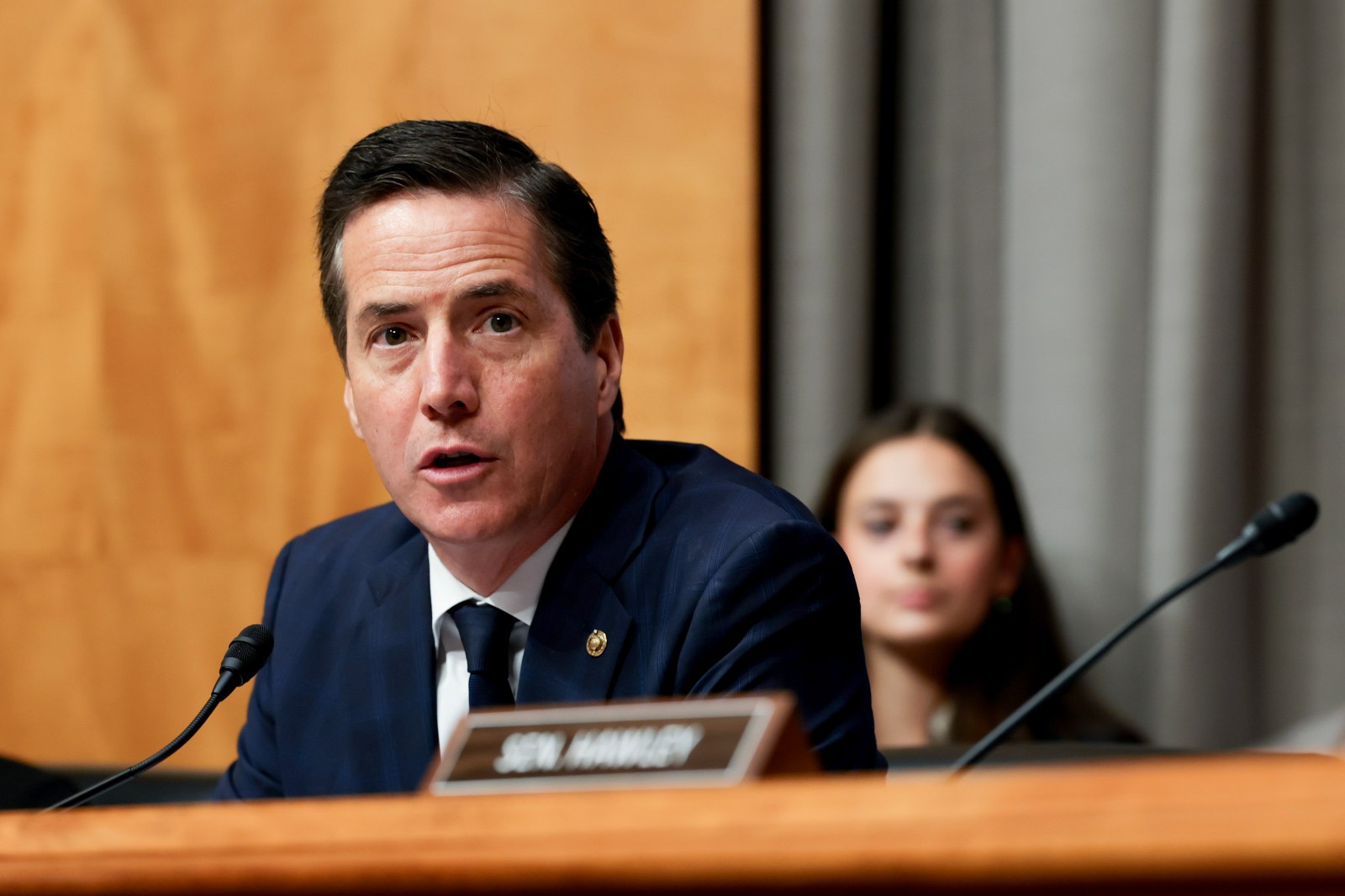
More Republicans are showing a willingness to increase taxes on high earners to bolster Social Security as it heads toward insolvency. This shift marks a departure from the GOP’s historical resistance to tax hikes, fueled by pressing demands to address its funding shortage.
Social Security’s trust funds are predicted to be depleted in the early 2030s, leading to automatic benefit cuts if Congress does not act. Kevin Thompson, CEO of 9i Capital Group and host of the 9innings podcast, emphasized the urgency by stating that retirees are resistant to benefit reductions. Consequently, the current workforce may bear an increased burden, compounded by existing high costs of living.
“Reality is setting in, and retirees don’t want their benefits cut,” Thompson told Newsweek.
Importance of Social Security
Social Security is vital for retirement, survivor, and disability benefits, serving millions of Americans as their primary income source. The debate around tax increases holds significant political weight, as Republicans traditionally oppose such measures, while Democrats support taxing wealthy individuals to secure Social Security.
Bipartisan agreements on new revenue streams could redefine congressional discussions about the program’s future.
Understanding the Current Context
Recently, Republican lawmakers have expressed openness to raising income limits subject to Social Security payroll taxes. Currently, these taxes apply to earnings up to a designated cap, set at $184,500 for 2026. Earnings beyond this cap are excluded from the tax.
Republican Senator Bernie Moreno and Democratic Senator Elizabeth Warren jointly supported a proposal to eliminate or increase this cap. Their stance requires higher-income individuals to pay Social Security taxes on a larger portion of earnings.
“The wealthiest Americans, who have benefited the most from America’s opportunities, should contribute the same percentage of their income as a factory worker,” Moreno and Warren wrote.
Republican Representative Tom Cole, the House Appropriations Committee chairman, advocates for considering additional payroll tax revenue as part of the solution for Social Security’s financial issues.
“We’ve got too many people who say, ‘Well, we have to stay within the current income level or stay at the current tax rate,’” Cole told The Washington Post.
Challenges Facing Social Security
Demographic shifts largely underpin Social Security’s financial troubles. Previously, payroll tax collections exceeded benefit payouts, accumulating trust fund reserves. The balance was disrupted by baby boomer retirements, rising life expectancies, and dwindling birth rates.
The Social Security retirement trust fund could be exhausted around 2032, according to recent forecasts. While payroll tax collections will continue, they could fall short in covering full benefits, resulting in automatic reductions of 20 percent or more once reserves are depleted.
Republican Tax Proposal Discussions
Leading proposals focus on increasing or abolishing the payroll tax cap. Currently, both workers and employers pay a 6.2 percent Social Security payroll tax on wages up to the taxable maximum. Because higher earnings are tax-exempt, wealthier Americans contribute a smaller percentage of their overall income compared to middle-class workers.
Moreno and Warren’s proposal suggests taxing all wages of higher earners to generate substantial revenue and close the long-term funding gap without cutting benefits, although critics argue that increased payroll taxes might stifle investment and job creation.
Thompson expects more Republicans may join in favor of this initiative as the deadline for addressing Social Security approaches.
“The alternative is cutting benefits,” Thompson told Newsweek.
Potential Solutions
Experts have recommended several alternatives, including:
- Increasing the Social Security payroll tax rate.
- Raising the retirement age for future recipients.
- Reducing benefits for wealthier retirees.
- Modifying benefit formulas.
- Expanding taxation of Social Security benefits.
- Combining tax raises with targeted spending cuts.
Many believe a multifaceted approach is necessary for a final solution rather than relying on a single change. Raising the payroll-tax cap aims to ensure higher-income contributors play a bigger role in narrowing the funding gap, confronting the longstanding Republican reluctance toward tax increases.
“Raising the payroll-tax cap would ask higher income earners to contribute more and could close a significant portion of the funding gap,” Alex Beene, a financial literacy instructor, noted.
The Way Forward
Growing bipartisan interest in raising payroll tax revenue might impact upcoming Congress debates regarding Social Security reform. Yet, political challenges remain, as parties aim to shield benefits and avoid potentially unpopular decisions.
“Higher taxes on workers have historically been the easier political way out than cutting benefits,” Thompson noted.
Future measures may entail higher taxes to address Social Security’s shortfall.