
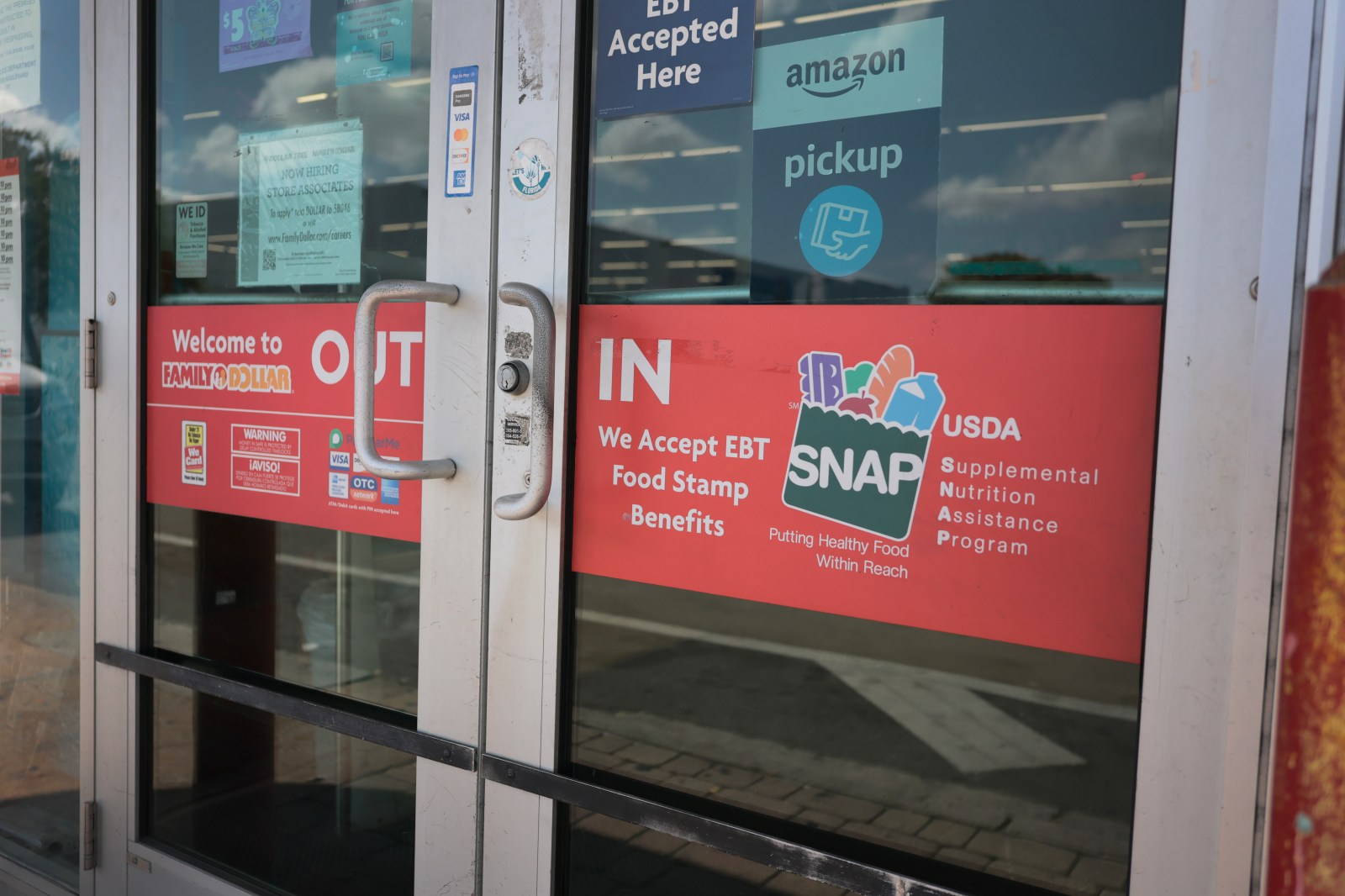
Millions of Americans are losing access to federal food assistance as new requirements for the Supplemental Nutrition Assistance Program (SNAP) take effect. These changes are impacting the already-strained job market. According to the Center on Budget and Policy Priorities, SNAP participation has dropped by more than 5 million people, approximately 13 percent, since July last year. This decrease follows tightened eligibility standards and expanded work requirements implemented by the Republicans.
The new requirements are creating additional obstacles for people already struggling to find stable employment and afford basic necessities. Moreover, experts warn of adverse consequences for businesses. “The changes from the Trump administration send a clear message: get a job or go hungry. Never mind that millions of Americans already work and still can’t afford groceries,” HR consultant Bryan Driscoll told Newsweek. He emphasized that removing food assistance does not automatically create job opportunities. Finding work requires transportation, childcare, internet access, and sufficient stability to attend an interview.
Why SNAP Matters
SNAP is often seen primarily as an anti-hunger program, but it also serves as work support. For unemployed individuals, SNAP benefits can help cover grocery costs while they search for job opportunities. Similarly, the program can supplement wages for low-income workers, given the inability of wages to keep pace with current housing costs.
Businesses in industries already facing labor shortages could encounter workforce challenges if their employees struggle to afford transportation and childcare due to lost benefits. Lee Bowes, CEO of America Works, stated, “The reduction in food stamps is happening at the same time all of America is experiencing increases, and inflation is outrageous.” The sudden shift in contribution from states, with an increase from 50 percent to 75 percent, has led to additional issues.
What to Know About the Changes
The One Big Beautiful Bill Act (OBBBA) signed by President Donald Trump led to expanded work requirements for certain adults and shifted more administrative costs to states. This change resulted in an estimated 5 million Americans losing benefits, including over 1 million children. While the intent was to compel more people to join the workforce, some experts believe the loss of benefits may not translate into employment gains. According to the Center on Budget and Policy Priorities, unemployment has remained stable since OBBBA’s enactment, suggesting the drop in SNAP enrollment isn’t related to a significantly improved labor market.
Effects on Job Seekers
Job seekers often face substantial costs even before earning a paycheck. Expenses for transportation to interviews, internet access, professional clothing, and childcare can create real hurdles. Without SNAP benefits to help cover food costs, these challenges may become more difficult to manage.
Driscoll noted, “Plenty of SNAP recipients already have jobs, working in an economy where poverty wages are normalized while demanding greater productivity. Instead of questioning why working Americans can’t afford food, they’re penalized for needing help.” When households allocate more limited income to groceries, they often have fewer resources for job searches or training programs.
Food insecurity can also impact job prospects. Poor nutrition is linked with increased stress, poor health, and lower productivity. These factors can make maintaining employment more challenging.
Childcare Challenges
Families losing food assistance may find household budgets stretched thinner, potentially making childcare unaffordable. This cycle can prevent parents from accepting available jobs due to lack of reliable childcare, hindering their ability to meet work requirements necessary to maintain benefits.
Michael Ryan, a finance expert, shared, “For job seekers, losing food assistance complicates finding work. Transportation, childcare, and interviews all cost money.” Businesses might not see a nationwide hiring boom, but grocery stores in lower-income areas may experience reduced spending.
Implications for Businesses
The loss of SNAP benefits can have negative effects on businesses reliant on a stable workforce. Financial stress from the loss can lead to higher employee turnover and increased absenteeism. Reduced SNAP spending affects consumer demand in struggling communities, impacting job stability.
Kevin Thompson, CEO of 9i Capital Group, discussed potential changes, stating, “You may see a larger pool of labor supply, but many of these jobs will be in high-turnover roles.” Retail, hospitality, and food service industries are particularly affected.
Future Changes
Additional SNAP changes are set to be implemented in the coming months, with some states assuming more benefit costs based on error-rate thresholds. Driscoll expressed concern, “There’s irony in cutting food assistance to encourage employment while making it harder for businesses to sustain employment. A stronger workforce cannot be built by impoverishing workers.”