
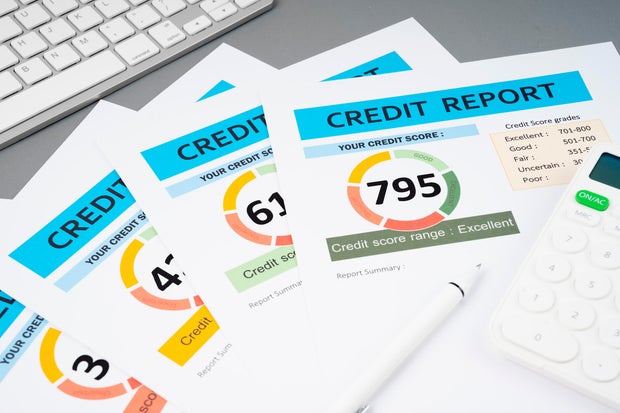
When considering how to manage a collection debt, it’s vital to understand how payments can affect your credit profile. Paying off a collection debt might take a long time due to accumulated fees and interest. In situations where household debt is rising, clearing this debt can represent a significant achievement for many.
Understanding the Credit Impact
Credit reports reflect the history of account management over time, and your credit score’s response can vary depending on what’s reported. Credit scores rely on different models, meaning the consequences of clearing a debt might not always align with expectations. If you’ve recently paid a collection account, it’s essential to understand the potential changes to your credit profile.
The Effect of Paid Collections on Credit Reports
Paying a collection debt does not automatically remove it from credit reports. Typically, such accounts can remain on reports for up to seven years from the date they first became delinquent. Paying off the debt doesn’t start a new seven-year period.
However, the account status should update to reflect a zero balance once the payment is reported. This change indicates that payment has been completed, yet it doesn’t mean all credit scores will recover promptly. New credit scoring models like FICO Score 9 and 10 or VantageScore 3.0 and 4.0 generally exclude paid collections from calculations, while older models might not.
The background of the debt also influences scores. If an account had substantial delinquencies before collections, this may stay on credit reports for years. For medical collections, these are excluded from consumer credit reports once paid, including those under $500 in initial reported balances.
After settling a debt, reviewing your credit reports to ensure the account reflects the updated status is crucial. This update might take a month or two. If the account shows an unpaid balance beyond this period, disputing inaccurate information with the credit bureaus becomes necessary.
Approaches for Unmanageable Collection Debts
Paying one collection debt resolves that specific balance but might not address overall debt challenges. If numerous debts are unmanageable, considering a broader debt management strategy is wise. Debt forgiveness or settlement involves negotiating with creditors to repay less than owed, although this approach can significantly hurt credit scores.
Alternatively, a debt management plan through credit counseling might help those who can pay their debts with adjusted payment terms. This involves a single monthly payment to an agency distributing funds to creditors. Another option, debt consolidation, could help combine several high-interest debts into one with a lower interest rate, simplifying repayment.
Conclusion
Paying a collection debt marks an important milestone but does not instantly clear credit issues. The account can stay on reports for years, and its effect depends on the scoring model used. If a considerable debt exists beyond the paid collection, exploring various debt relief options can stabilize finances faster, helping improve your financial situation over time.
By addressing remaining financial challenges, your credit profile can gradually recover, distancing itself from past troubles.