
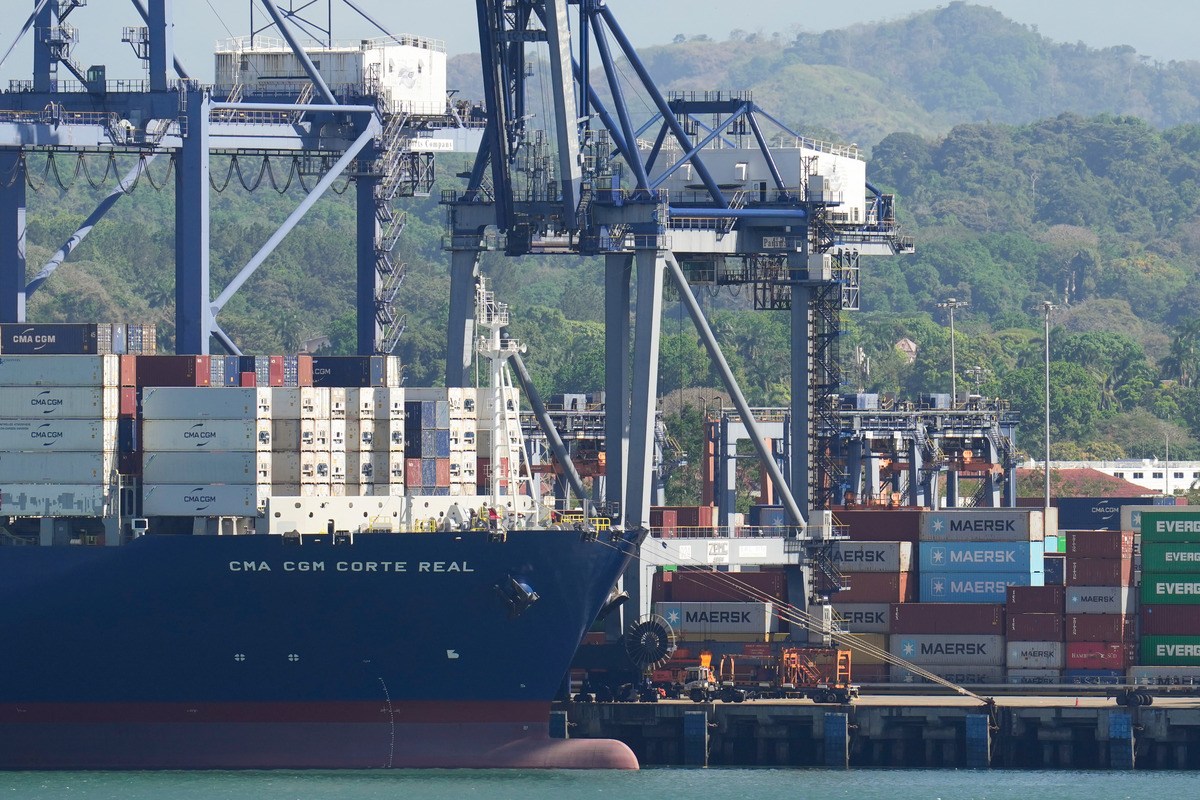
Reduced Transit Through Panama Canal Due to El Niño
Starting next month, fewer ships will navigate the Panama Canal due to reduced rainfall linked to El Niño. This natural phenomenon is causing the Panama Canal Authority (PCA) to reduce transits from 36 ships to 32 per day. A gradual decrease will begin on September 3.
Consumer Impact
While the direct impact on U.S. consumers may be minimal, higher shipping costs could be passed on to buyers. Simon Heaney from Drewry shipping research indicates there’s a possibility of increased costs affecting customers.
Global Shipping Challenges
Global shipping has faced disruptions due to the U.S.’s conflict with Iran. Tehran’s actions have affected shipping through the Strait of Hormuz. Additionally, Houthi rebels in Yemen pose threats in the Bab el-Mandeb Strait.
Weather and Climate Effects
Governments in the U.S. and Latin America are preparing for the impacts of El Niño. Some regions in Central America are experiencing droughts due to warmer Pacific Ocean waters. Other areas may encounter floods as El Niño conditions intensify from the fall through early 2027.
What Is El Niño?
El Niño typically lasts nine months to a year and occurs every two to seven years. Predicting El Niño is difficult due to its irregular nature, according to the U.S. National Oceanic and Atmospheric Administration.
The Significance of the Panama Canal
The Panama Canal is a crucial 51-mile route connecting the Atlantic and Pacific Oceans. It facilitates the transit of around 5 percent of global shipping, about 1,000 ships monthly. Approximately two-fifths of U.S. container traffic, valued at $270 billion annually, uses this route.
Challenges and Potential Solutions
Low water levels from droughts and geopolitical conflicts have driven shipping rates to record highs. The PCA has implemented water-saving measures to maintain canal operations. Shipping companies may consider alternative routes, such as the U.S. West Coast.
The PCA experienced the driest October on record in 2023 and reduced daily transits to 18 ships, causing delays. The International Monetary Fund highlighted that El Niño’s effects reach Europe and Asia, impacting maritime shipping.
Long-term Implications
In 2025, Louis Sola, former Federal Maritime Commission chair, underscored the importance of canal improvements to withstand drought conditions. Without enhancements, the canal’s capacity might drop significantly by 2050, threatening global trade and U.S. exchanges.
The U.S.’s construction of the Panama Canal followed its support for Panama’s independence from Colombia in the early 20th Century. Control transferred to Panama City at the end of the 1900s. In 2016, the PCA finished significant upgrades, including widening and deepening the canal for better capacity.