
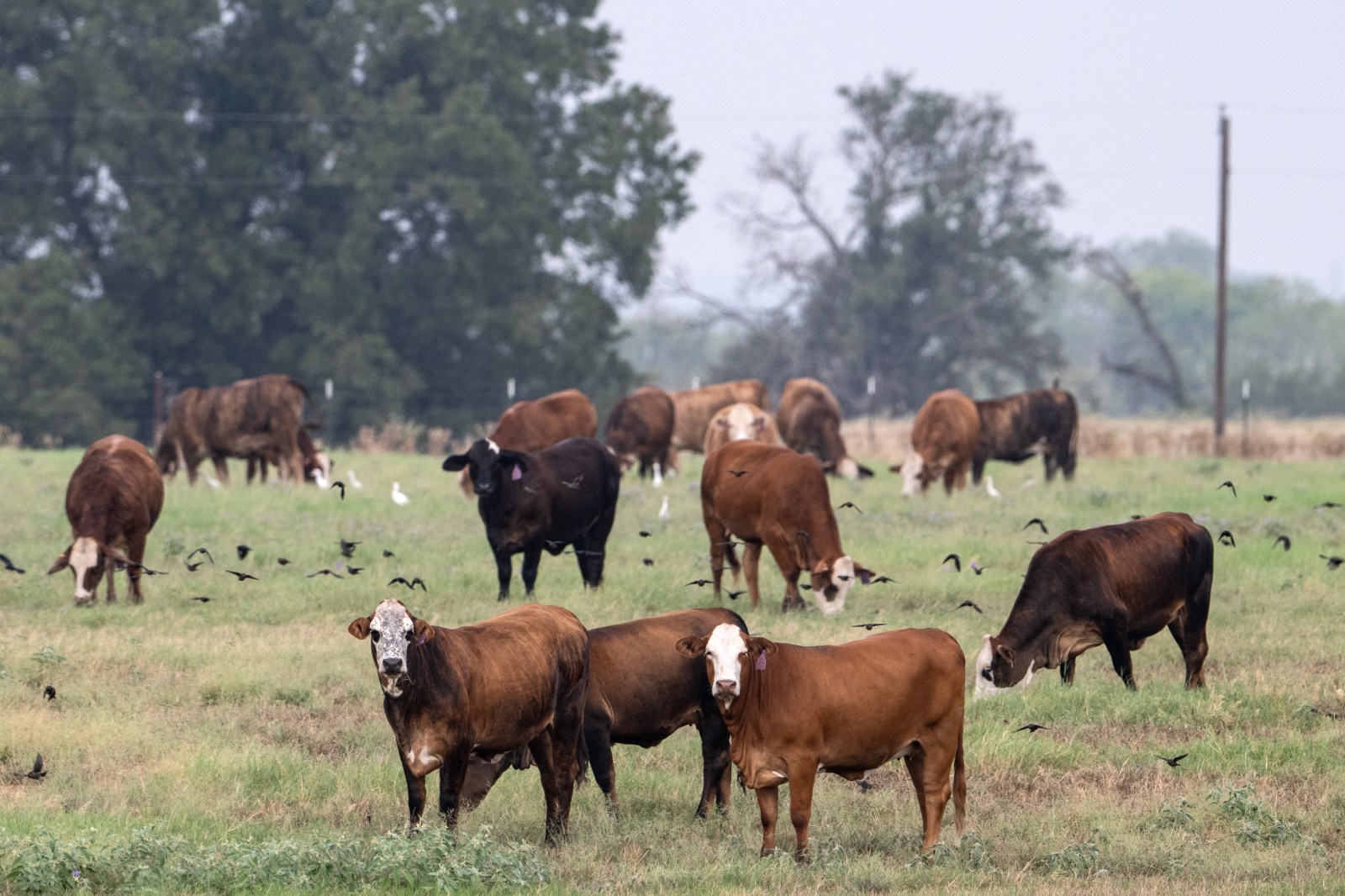
Cattle industry groups in Texas, Oklahoma, and Kansas are expressing concern over immigration enforcement activities disrupting the beef supply chain. These actions are reportedly delaying cattle shipments and causing significant financial losses, despite the Department of Homeland Security’s statement to Newsweek that ICE is not conducting worksite operations in Kansas.
On September 24, the Kansas Livestock Association, Oklahoma Cattlemen’s Association, and Texas Cattle Feeders Association released a joint statement. They highlighted their active monitoring of ICE activities affecting agricultural areas in the three states. According to these groups, many cattle intended for processors are delayed, leading to substantial revenue loss and increased costs. Workforce disruptions are also affecting feedyards, dairies, processors, transportation hubs, and community services.
These ICE operations are having a massive chilling effect on the legal, documented, skilled workers that put beef on the table and keep the cattle supply chain moving,the associations stated. They warned of potential consumer price increases for beef.
In August, the average U.S. price for 100 percent ground beef was $6.92 per pound, according to the U.S. Bureau of Labor Statistics data. President Donald Trump faces pressure concerning his administration’s beef policies as consumers deal with high prices. His approval rating has decreased in some major beef-producing states, places he previously won in the 2024 election. Additionally, the administration is examining major retailers to tackle high beef prices, with the Department of Justice investigating pricing at eight major retailers, including Walmart.
The cattle groups acknowledge the federal government’s role in enforcing immigration laws. However, they argue that sudden workforce disruptions can have broader implications for animal welfare, operations, and economic conditions, extending beyond directly affected businesses.
DHS Points to Its Arrests
“ICE is not conducting worksite operations in Kansas,” a Department of Homeland Security (DHS) spokesperson told Newsweek. The spokesperson emphasized that ICE has conducted operations targeting serious criminals. Examples include arrests of individuals with convictions for severe crimes such as cruelty, homicide, and sexual assault. Notable arrests in Kansas include Flora Elvira De La Cruz Bustillos, Ky Sayapheth, Jose Garcia Villa, and Raul Duquenzne-Batista, all with serious charges.
Disruptions Adding to Other Problems
The cattle industry notes that these disruptions occur amidst ongoing challenges in the cattle and beef supply chain. They argue that the impact continues even after enforcement operations conclude. The groups urge federal officials to enforce immigration laws in a lawful, orderly manner while respecting due process and ensuring clear communication with affected employers and communities.
Estimated cattle slaughter in the U.S. on September 24 was about 90,000 head, a decrease from 107,000 a week earlier, according to U.S. Department of Agriculture data from Reuters. Industry sources mentioned that immigration enforcement hindered meatpacking workers from plants in Kansas, contributing to cattle shipment delays.
A Newsweek analysis of Civiqs polling revealed that President Trump’s net approval rating dropped in all ten largest beef-producing states since his second term started. Specifically, from plus 23 in Kansas on January 20, 2025, to plus 2 on August 27, 2026. Texas and Oklahoma also saw declines in approval ratings. An August 21 announcement permitting up to 300,000 metric tons of beef to enter the U.S. tariff-free for 90 days appeared to have little immediate effect.