
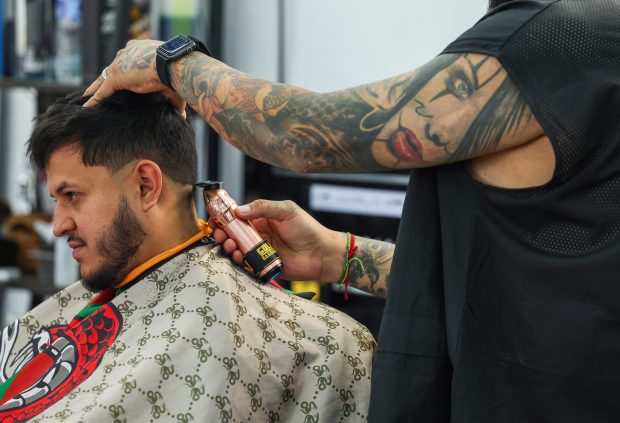
Federal immigration raids in Chicago last fall had a profound impact on local businesses, especially those in immigrant neighborhoods. Erick Camargo, owner of a hair salon in Chicago, saw a drastic decrease in walk-in customers, dropping from 40 a day to as few as five. During Operation Midway Blitz, he kept his doors locked to prevent officials from entering, and other barbers began working from home. Customers arrived individually and quickly, avoiding groups out of fear of immigration officers. Tragically, two locals were detained—a boy selling chocolate and a woman selling tamales—and remain unheard since.
Six months later, neighborhoods are still feeling the effects of these raids, with businesses suffering from lost customers and decreased revenues. Illinois lawmakers are debating potential recovery measures. Two main proposals on the table are:
- A $50 million grant program managed by the Illinois Department of Commerce and Economic Opportunity.
- A loan program for small businesses during a declared “economic shock.” This would include instances of reduced sales and foot traffic, workforce challenges, and business closures.
The loan program, modeled after COVID-19 recovery efforts, would offer loans up to $50,000 with a 2% interest rate over five years, postponing repayment for the first six months. Eligibility is restricted to small businesses; the grant program to those with 25 employees or less, and the loan program to entities with under 50 employees and annual revenue under $3 million. Camargo’s salon stands to benefit from both proposals. Though his business has persisted thanks to his savings, walk-ins are still not at pre-operation numbers.
Sen. Mike Simmons, a Chicago Democrat sponsoring the grant program, prefers grants over loans to avoid adding debt to strained businesses. He emphasized that the raids have long-term effects on communities and businesses that lawmakers must address.
Yet, both proposals face challenges. Gov. JB Pritzker’s budget proposal did not allocate major new spending, and legislative session time is running out amid competing budget demands and a looming deficit.
Efforts to rehabilitate businesses impacted by immigration sweeps aren’t limited to Illinois. Los Angeles County studies indicated 44% of businesses surveyed reported losing over half their revenue due to local raids. Minneapolis experienced similar disruption, with an $81 million loss in January following a federal operation.
The Illinois Midway Blitz impacted thousands, with approximately 2,500 deportations and 3,800 detainments—many concerning individuals without criminal records. Only 1.5% detained had been convicted of violent or sexual offenses. President Donald Trump’s descriptions of Chicago intensified the situation.
Economic repercussions were instant. Marcos Carbajal of Carnitas Uruapan saw sales drop 25% to 40% at his Chicago locations. His business turned into a “nightmare” with armed convoys and helicopters monitoring immigrant locations, further driving customers away.
Like Camargo, Carbajal locked doors and reduced expenses, falling into debt during the period. Sales remain 10% to 15% below usual levels. Other businesses in the nursery sector reported similar losses in landscaping and store traffic.
The financial influence of Operation Midway Blitz remains under assessment, and experts predict greater clarity once tax filings are accessible later this year. The proposed loan program aims to assist affected businesses while providing a buffer against future economic turmoil. A small amount of support could significantly benefit business recovery, implying “the need to weather the storm,”
as Andres Solarte from the Illinois Hispanic Chamber of Commerce expressed.