
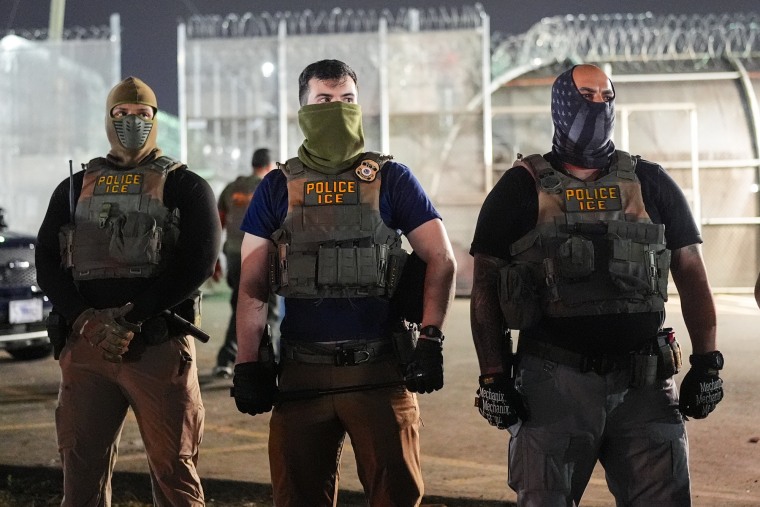
ICE to Deploy Body Cameras
Immigration and Customs Enforcement (ICE) plans to outfit its officers with body cameras in the coming months. This decision follows long delays and persistent demand for increased accountability following several fatal incidents during enforcement operations. Despite the move, the agency’s policy on video release remains controversial.
Video Release Policy
ICE’s policy allows the agency considerable control over which footage is publicized. Releases are subject to approval only when they align with the agency’s interests. This discretion could lead to selective public disclosure, potentially limiting transparency for taxpayers funding the project.
“Body-worn cameras are being used as contemporary image-work tools to present the police to the public in the most favorable way possible,” said Christopher Schneider, an expert on police body camera policies.
The policy specifies that footage from significant incidents will only be released if it serves the agency’s best interests. Such measures could prevent public access to crucial footage, especially regarding serious confrontations involving ICE officers.
Comparison with Other Agencies
Practices regarding body camera footage release can vary across the U.S. For instance, in Chicago, footage of critical incidents is routinely made public within a set timeframe, while Philadelphia’s release of such footage is infrequent and lacks formal policy guidelines.
Even when disclosed, ICE’s policy mandates redaction of personal identifiers of officers to maintain their privacy. This is consistent with practices aimed at safeguarding officers’ confidentiality but raises questions about full transparency.
Funding and Implementation
ICE’s body camera initiative is part of a larger $30.9 million investment in July for equipment from Axon, a leading manufacturer. This acquisition follows congressional funding prompted by public demand after fatal incidents in Houston and Maine that were not captured on camera.
Full deployment is expected by the end of September, despite previous target dates suggesting an earlier rollout. The initiative aims for at least one camera per arrest team, beginning with officers in the Houston region.
Public Perception and Use
Body cameras are touted as tools for ensuring accountability and transparency. Proponents argue they can exonerate officers while providing evidence in complex situations.
Schneider notes that the use of footage selectively could reinforce narratives beneficial to ICE’s enforcement programs. Some believe this approach may skew public perception by highlighting positive portrayals of operations.
Delayed Implementation Concerns
Despite the promise of body cameras, ICE’s previous delays in procurement and deployment raise concerns. During prior administrations, necessary equipment was not prioritized, leaving a gap in accountability.
Critics like Jason Houser, former ICE chief of staff, argue that the recent rollout responds more to political pressures than to genuine safety enhancements. As ICE finally proceeds with this measure, expectations remain high for a transparent and accountable implementation process.