
Pacific Storms in Action
Simon has become a Category 4 hurricane as it nears Mexico’s coast. Heavy rain is expected to affect parts of southwestern Mexico starting tomorrow, with significant risks of flooding and mudslides.
Rachel, now classified as a post-tropical cyclone, is anticipated to bring strong winds and rainfalls to northern Mexico and Southern California.
Tornadoes in the Aftermath of Isaias
The U.S. Storm Prediction Center recorded 13 tornadoes, all aligning with the path of post-tropical cyclone Isaias. These were mostly concentrated along the border between Georgia and South Carolina.
Federal forecasters indicated the cyclone could lead to unstable air, creating storm cells that form tornadoes. Several tornado warnings were issued, particularly in Georgia and South Carolina. A tornado in Waynesboro, Georgia, damaged homes, overturned farm equipment, and disrupted power lines.
Meanwhile, in Allendale, South Carolina, four homes were hit by a tornado, resulting in major damage to three of them. Reports from Georgia suggested multiple homes in Hunters might have been affected. Tornado verification often requires ground assessments from the National Weather Service.
Widespread Power Outages
Nearly 500,000 utility customers lost power as Isaias traversed the Southeast. Florida had over 363,000 without power, Alabama nearly 97,000, and other states like Georgia, South Carolina, and Tennessee also experienced outages. Utility crews worked to restore power, supported by Florida Highway Patrol.
Local Business Impacted by Isaias
The storm damaged rooftops, downed power lines, and caused flooding. In Panama City Beach, Florida, the Angry Tuna Seafood Company suffered over $50,000 in structural damage, with additional losses feared from spoilage of refrigerated food.
The owner used ice to preserve food until power was restored, a critical step in mitigating losses during such natural events.
Severe Personal Losses
In Pensacola, Florida, a tragic incident occurred when a tree fell, killing a stepmother and injuring a father. The son expressed anger and sadness over the loss and damage.
The father communicated via Apple Watch during the storm, highlighting the critical role of technology in emergencies.
Flood and Tornado Risks Continue
Flash flooding remains a threat as Isaias, now weakened, moves northward. Tornado warnings persist in South Carolina and Georgia. Rainfall estimates range from 3 to 6 inches, with possible localized totals of 10 inches. Flood and wind alerts extend across a significant portion of the Southeast.
Severe Damages in Southern Regions
In Florida, high winds partially tore off a roof from a second-story apartment, causing significant water damage. Thankfully, the residents were unharmed. The situation underscores the need for preparedness against such powerful storms.
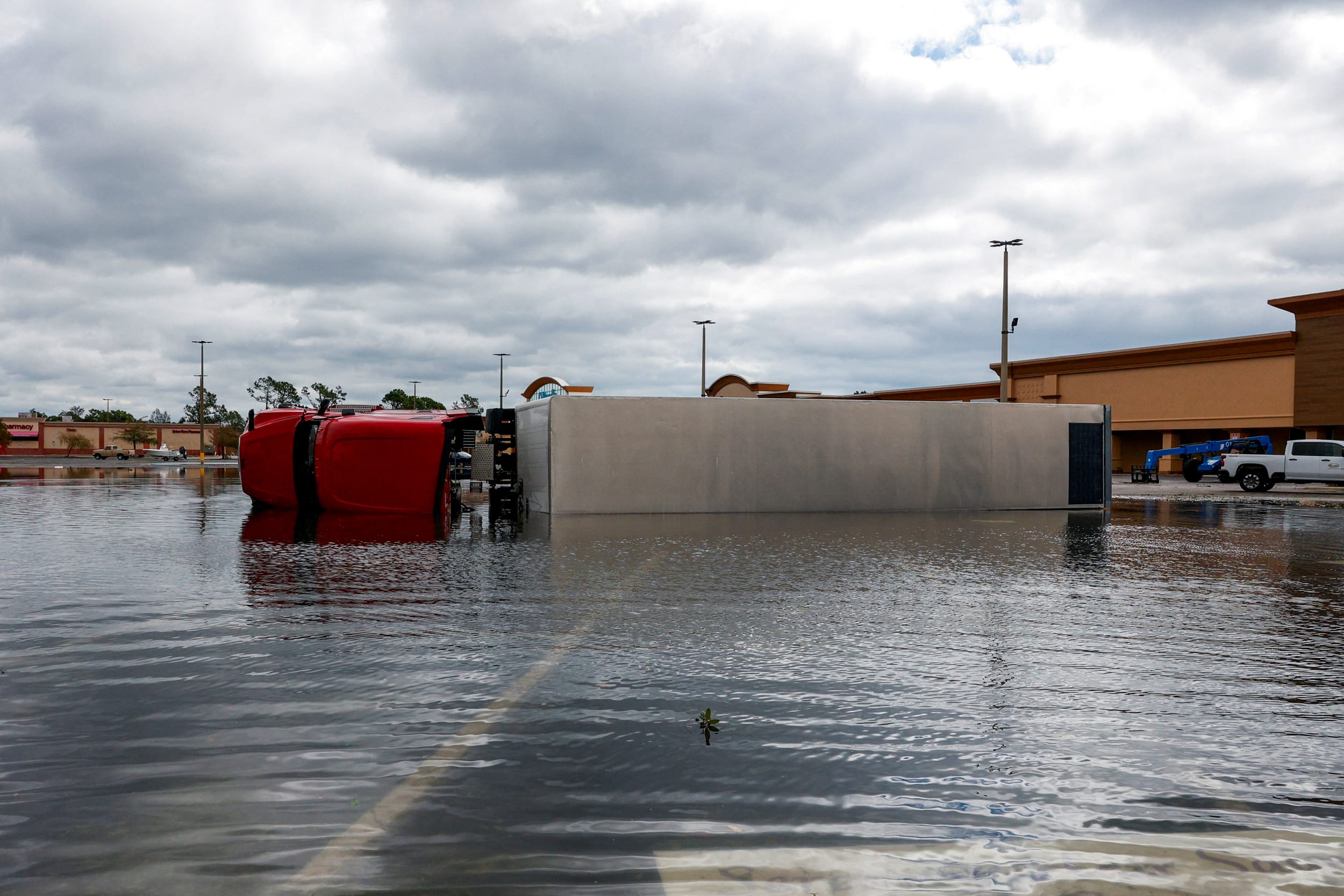
Other areas, including convenience stores and residential properties, faced considerable structural damage from fallen trees and debris.
Oil Reserves Tapped for Hurricane Relief
The Energy Department authorized 4 million barrels of oil from the Strategic Petroleum Reserve to address supply disruptions. ExxonMobil and BP America received these emergency loans to mitigate the impact of storm-related production interruptions.
Power Outages Span Multiple States
Storm Isaias led to power outages affecting 700,000 customers across five states, with Florida experiencing the most significant disruptions. Damaged infrastructure, including downed trees, contributed to the widespread outages.
Efforts to assess and repair the damage began as officials issued travel and safety warnings to protect residents.
Casualties and Damages Reported
The storm’s impact has been deadly, with four confirmed fatalities across Florida and Alabama. Heavy winds and falling trees resulted in severe injuries and fatalities, prompting emergency responses across affected areas.
Storm Isaias caused significant power disruptions, structural damage, and tragic personal losses, highlighting the critical need for preparedness and responsive emergency services.