
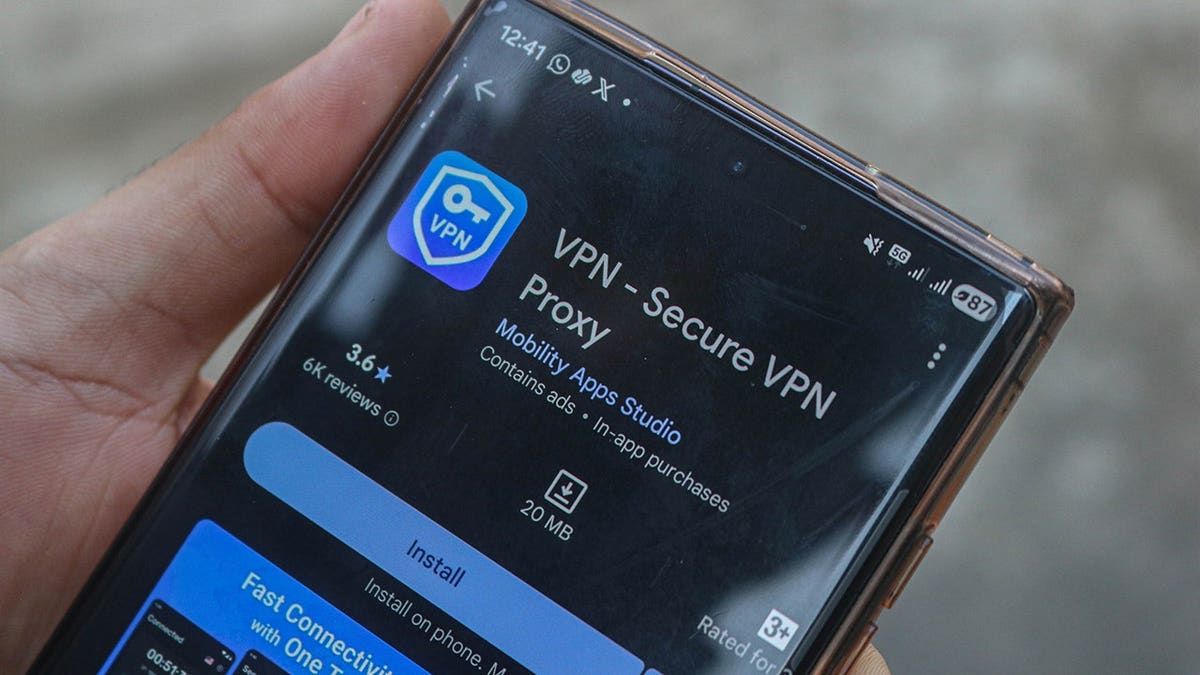
Websites often ask for identity verification when you use a VPN. This can be irritating during online banking, email sign-ins, or shopping. VPNs alter the IP address visible to websites, often triggering extra verification steps.
A dedicated IP address might lessen these interruptions while keeping your VPN active. Here’s more information on this topic.
Understanding VPN Login Effects
VPNs generally do not disrupt your passkeys or two-factor authentication. These codes work without needing an internet connection. The VPN changes the public IP that websites detect, which can raise security flags for some services.
If you repeatedly access your bank from a consistent location and suddenly appear to log in from a new city or country due to your VPN, the system becomes cautious. The concern isn’t that your VPN caused issues; it’s the changed appearance of your connectivity that sparks this alert.
Why IP Changes Trigger Security Checks
Shared IP addresses are common triggers. When many users share a VPN server, they seem to all connect from the same IP. Financial websites flag this as a potential risk, leading to more CAPTCHAs and extra steps.
How Dedicated IPs Can Help
Using a dedicated IP address can reduce these issues. It provides a fixed online address, making your login location appear consistent. This may cut down unnecessary security checks on recognized services.
However, a dedicated IP isn’t foolproof in ensuring trust. Banks and websites still assess your device and account activities. Many VPN providers offer dedicated IPs via subscription plans.
While dedicated IPs offer consistent identification, shared addresses mix your traffic with others, potentially enhancing privacy from IP-based tracking.
A Few Tips to Mitigate VPN Login Problems
- Switch Servers: Use a VPN server closer to your location to potentially reduce verification requests.
- Try Split Tunneling: Allow trusted apps to bypass the VPN. This option exposes them to your real IP and depends on VPN feature availability.
- Authenticate Correctly: Ensure your device clock is accurate for six-digit code generation. Confirm you are using the correct account in your authenticator app.
- Remember Trusted Devices: Use the “Don’t ask again” option on personal devices, ensuring cookies are enabled.
- Deny Phishing Attempts: Reject unexpected login approvals as they might be unauthorized access attempts.
Kurt’s Insights
A VPN increases privacy, but security checks can become tiresome. While VPNs tend not to impact passkeys or two-factor authentications, they might trigger extra verification steps. A dedicated IP can make frequent logins easier by providing consistent connectivity.
For more tech tips, urgent security alerts, and exclusive deals, sign up for CyberGuy’s FREE Newsletter. For practical scam prevention tactics, visit CyberGuy.com.