
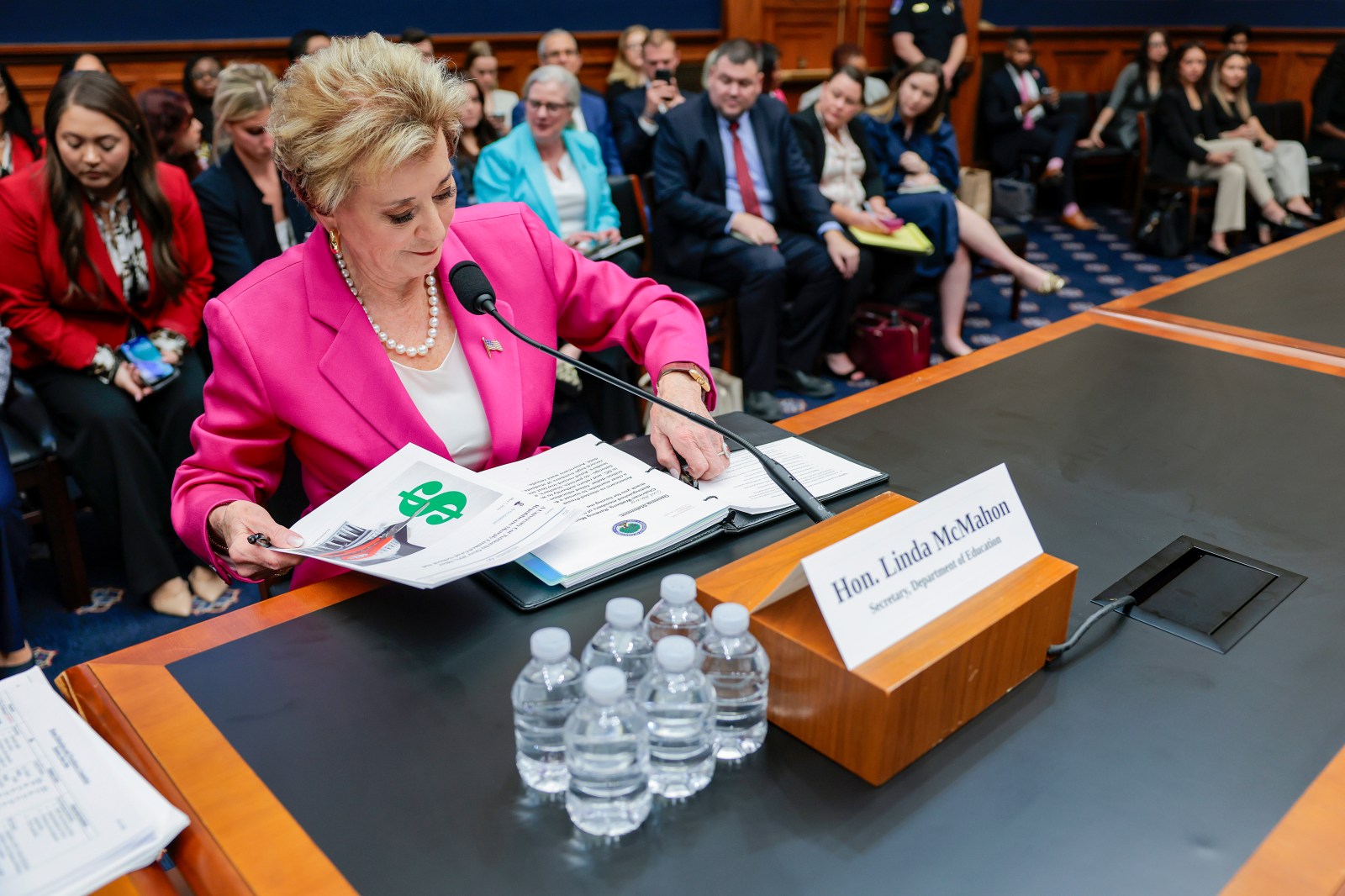
House Republicans have introduced a bill that aims to transfer millions of federal student loan accounts from the Department of Education to the Treasury Department. This legislative move seeks to formalize the previous administration’s efforts to reduce the Education Department’s role in handling student debt.
Reason for the Proposal
The proposal is part of a larger push by House Republicans, consisting of 10 bills, to adjust the scope of the Department of Education. The intended adjustment involves transferring specific responsibilities to other federal agencies.
The change could impact over 40 million Americans with federal student loans. It represents a significant shift in the management of the government’s $1.7 trillion student loan portfolio.
Transfer Details
The transfer of student loans is expected to occur in phases. Initially, focus will be on borrowers who have defaulted on their loans. This is pursuant to an agreement between the Education and Treasury departments from March.
The Treasury Department will assume responsibility for collecting debts from defaulted loans. Eventually, management of all federal student loans could transfer to the Treasury.
Financial literacy instructor Alex Beene noted that this proposal would not erase loans or change amounts owed. Instead, it would shift the management of student loan servicing and collections from the Education Department to the Treasury, starting with defaulted loans.
Implications for Borrowers
For now, borrowers should not expect immediate changes in how they make their payments. According to the agreement, borrowers will continue working with their existing loan servicers during the transition.
Defaulted loan holders are likely to be the first affected. The Treasury Department has been preparing for this responsibility, which could improve collections and accountability.
Concerns and Challenges
Not everyone agrees with transferring student loans to the Treasury. Concerns include whether the Treasury has the necessary infrastructure to handle complex repayment and forgiveness programs.
Legal questions also loom, as federal law assigns management of student aid programs to the Education Department. Shifting these responsibilities might lead to court challenges.
Alex Beene warns that if the transfer goes poorly, it could result in damaged credit and delayed relief for borrowers.
Scope of Impact
The federal government oversees approximately $1.7 trillion in student debt. Defaulted loans make up about $180 billion—or 11 percent—of this portfolio. More than 40 million Americans hold federal student loans, and changes could have widespread implications.
Next Steps
The proposal requires congressional approval before it can become law. Meanwhile, preparations continue for a potential transfer under the existing agreement between the Education and Treasury departments.