
England captain Harry Kane kept their World Cup aspirations alive with two goals in the final 15 minutes against DR Congo, securing a place in the last 16 for Thomas Tuchel’s team. DR Congo surprised many by taking an early lead courtesy of Brian Cipenga in the seventh minute. During the first half at Mercedes-Benz Stadium in Atlanta, England struggled, but improvement was evident after the halftime break.
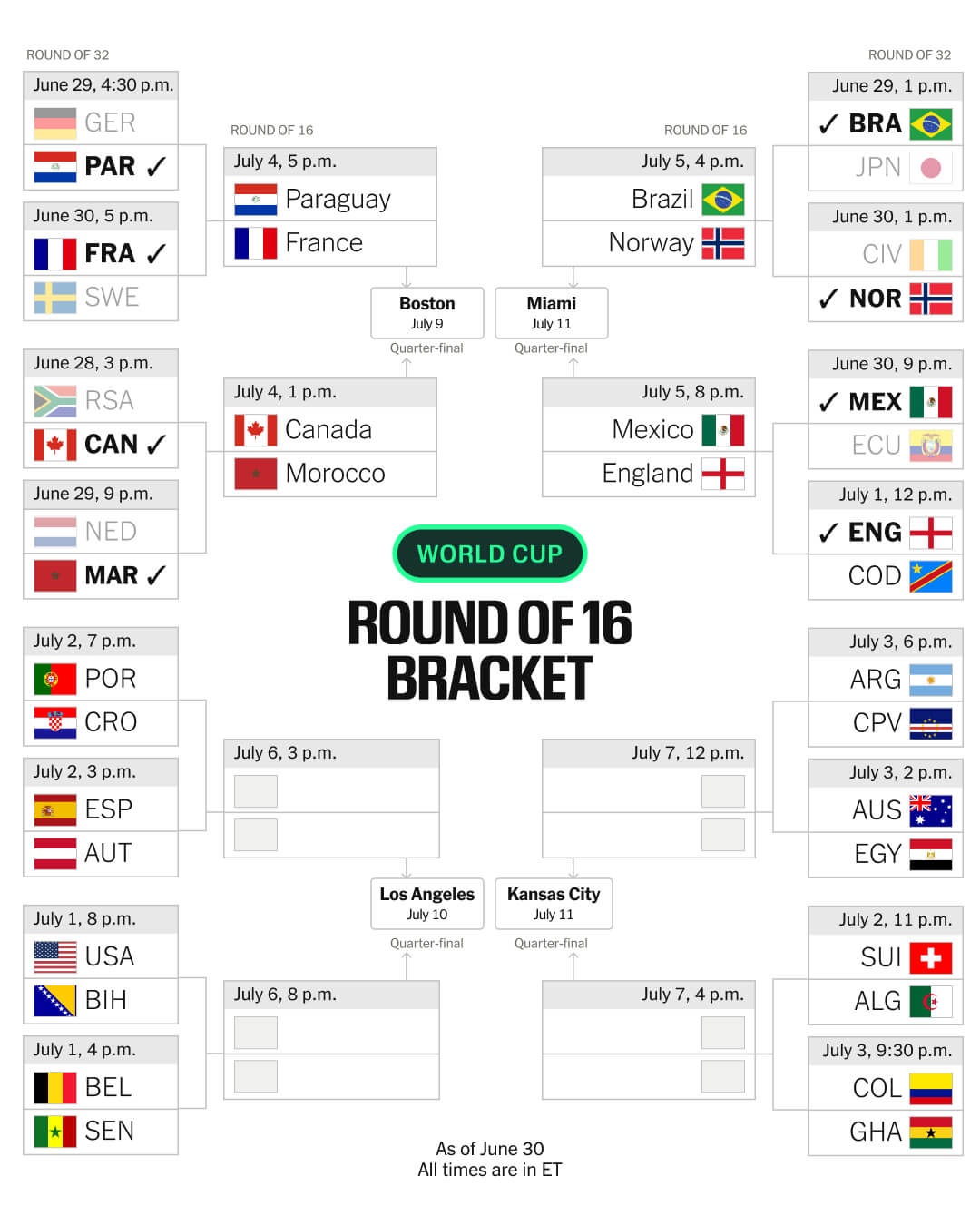
The pivotal moment came in the 75th minute when Kane equalized with a powerful header, capitalizing on a cross from Anthony Gordon and overcoming the skilled DR Congo goalkeeper, Lionel Mpasi. Just four minutes before normal time ended, Kane delivered a remarkable solo goal. This achievement pushed him past Brazil legend Pele in the all-time World Cup scoring charts (13 to 12), positioning England for a match against co-hosts Mexico at Estadio Azteca in Mexico City.
How Kane’s Brilliance Saved England
England faced a crucial moment in Atlanta. A loss would mean an embarrassing early exit from the 2026 World Cup. They needed someone to step up with determination, and Kane delivered. He scored twice to overturn a 1-0 deficit, beginning with a powerful header that finally beat Mpasi. Kane’s winning goal showcased his skill, taking on multiple defenders before unleashing a powerful shot that Mpasi couldn’t stop.
Before this match, Kane had already netted three goals in the tournament — two against Croatia and once against Panama. However, against Ghana, he had missed a last-minute chance that could have changed the game’s outcome. His performances highlight that despite England’s vulnerabilities, Kane’s presence keeps hope alive.
What England Needs to Improve Against Mexico
England must enhance their composure. Their response to DR Congo’s early goal showed a lack of calm, only regaining control after a prolonged period. In the upcoming match against Mexico, managing pressure at altitude will be crucial. Mexico, unbeaten so far, will be a significant challenge, having not conceded any goals in their previous matches.
England must be more efficient with their scoring chances. Despite having several opportunities early on against DR Congo, they entered halftime down 1-0. Jude Bellingham and Harry Kane had notable chances but couldn’t convert them.
Defensively, England needs to address their tendency to allow opponents opportunities in the box. DR Congo capitalized on defensive lapses, which could be costly against Mexico’s Raul Jimenez, who poses a threat from crosses.
Referee’s Decision on Kane’s Penalty Call
Kane attempted to earn a penalty by initiating contact with the advancing goalkeeper. The referee, Adham Makhadmeh, dismissed the claim, likely due to Kane’s theatrical fall. Despite significant contact, Makhadmeh judged that Kane forced the collision. VAR wouldn’t have overturned the decision if made a different call, but the referee’s choice was firm.
Kane avoided a yellow card, as the play involved contact, and such cards are typically reserved for clear dives without contact.
DR Congo’s Goalkeeper: Lionel Mpasi
Born in Paris to Congolese parents, Lionel Mpasi has made his career in France, rising through clubs like US Torcy and PSG. He currently plays for Rodez and serves as DR Congo’s reliable goalkeeper. Mpasi showcased his shot-stopping skills against England, previously making significant saves against Colombia.
Despite conceding against Kane, Mpasi’s performance was noteworthy with crucial saves that kept DR Congo in the match longer than expected.
Tuchel’s Confidence Tested
England’s head coach Thomas Tuchel had anticipated DR Congo’s style of play, but the team surprised with a different approach, challenging England’s preparation. DR Congo’s unexpected early tactics led to their goal, exploiting disorganization in England’s defense.
Their initial 4-1-4-1 setup allowed DR Congo to dominate early, dictating the tempo and causing England uncertainty until DR Congo adapted their style, aligning more with Tuchel’s predictions. Yet, the surprise gave DR Congo an edge initially.
Analyzing England’s Defensive Mistake
DR Congo’s goal was a result of England’s failure to adjust defensively. DR Congo had most of the possession early, transitioning rapidly into the attack, exploiting England’s stretched defense. Djed Spence was unable to recover in time, allowing Cipenga an uncontested shot at goal.
The responsibility for the goal primarily lies with England’s defensive setup, rather than individual errors, which allowed Cipenga to find the necessary space for a successful strike.