
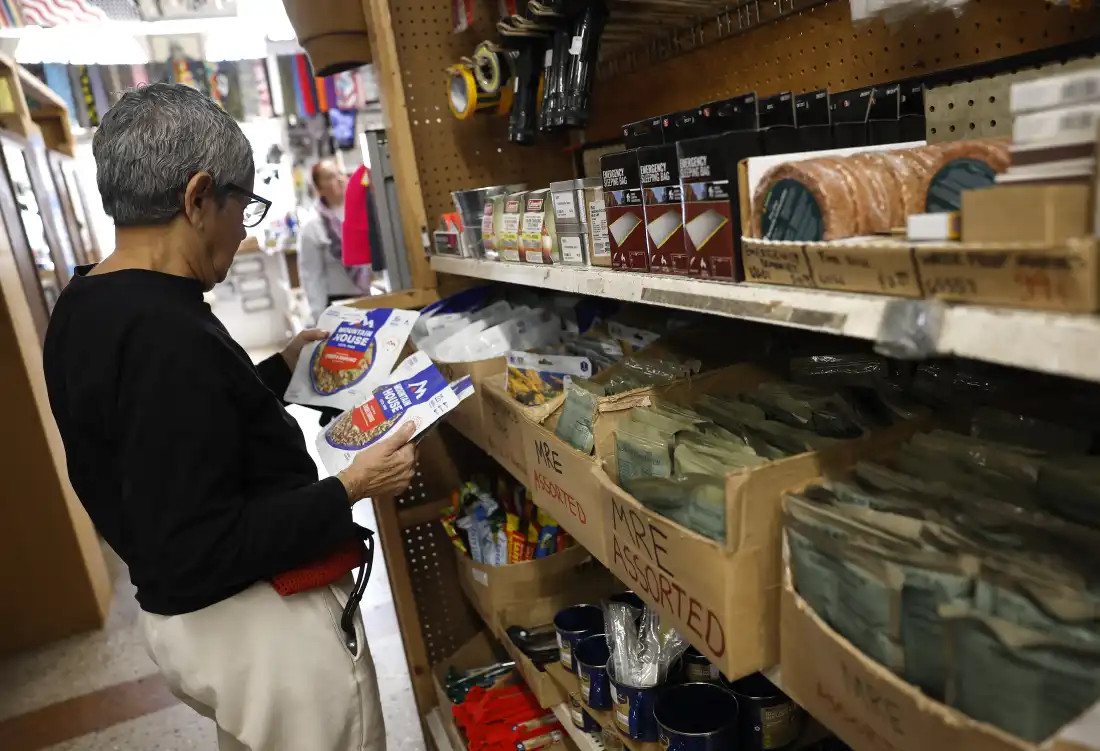
People are increasingly focusing on emergency preparedness as recent technology outages raise concerns about disruptions to essential services. Instances such as Microsoft and Apple experiencing technical failures, along with a nationwide airport ground stop, have prompted individuals to consider stocking up on emergency supplies.
Embracing Preparedness
Teri Brown from Denver, together with her husband Richard, has taken proactive steps towards being prepared for potential disasters. Triggered by worries over the U.S. electrical grid, artificial intelligence, and political unrest, they began storing additional food and maintaining 55-gallon water tanks at home. They identify as preppers, a group often misunderstood as extreme, yet many now seek their advice after recent disruptions.
Changing Perceptions
The notion of prepping is gaining traction as more people feel the need to care for themselves amid uncertainty. The Pentagon’s recent announcement about preparing military bases for unpredicted scenarios has heightened awareness. In parallel, European governments advised citizens to secure essential goods, such as non-perishable food and medications.
Teri Brown observes how cultural depictions of preppers as doomsday enthusiasts may be shifting, particularly after major tech failures triggered interest in preparedness techniques.
Educational Outreach
Krystal Christensen, known as CharminglyFrugal and DoomsDayQueen, educates her large social media following on sustainable preparedness. Christensen notes a spike in inquiries, notably from younger generations, eager to learn survival basics. Her approach emphasizes practical purchasing without succumbing to panic buying, although demand spikes persist.
Longtime prepper Derrick James from Maine confirms these trends, reporting swift sales of recommended items. Rising prices for gear, such as emergency radios and military meals, further underscore increased consumer demand.
Smart Preparedness
Deanne Criswell, former FEMA administrator, emphasizes tailored preparedness strategies. She advises individuals to assess their specific geographic risks and prepare accordingly, countering the notion of a universal approach.
Monique Imroth, a resident of San Diego County, exemplifies this approach. Her focus is on wildfire preparedness, given local risks. Imroth underscores that prepping addresses daily uncertainties, underscoring its relevance beyond catastrophic events.
By integrating preparedness practices into day-to-day life, such as maintaining a well-stocked pantry, individuals can alleviate stress associated with unexpected situations, like sudden job loss.
The growing interest in emergency preparedness highlights a shift from viewing it as extreme to regarding it as practical and necessary to manage modern uncertainties.