
Germany’s 2014 Triumph
In July 2014, Germany celebrated a World Cup victory in Rio de Janeiro. This moment was seen as a landmark of German success across various domains. Newsweek described it as the start of a “century of German success.” Experts, athletes, and politicians believed Germany would rise as an unmatched force in sports and other fields, thanks to its effective problem-solving model.
At that time, Germany experienced steady economic growth, declining unemployment, and decreasing government debt. Clemens Fuest, President of the Ifo Institute for Economic Research, noted Germany’s strong economic and political standing.
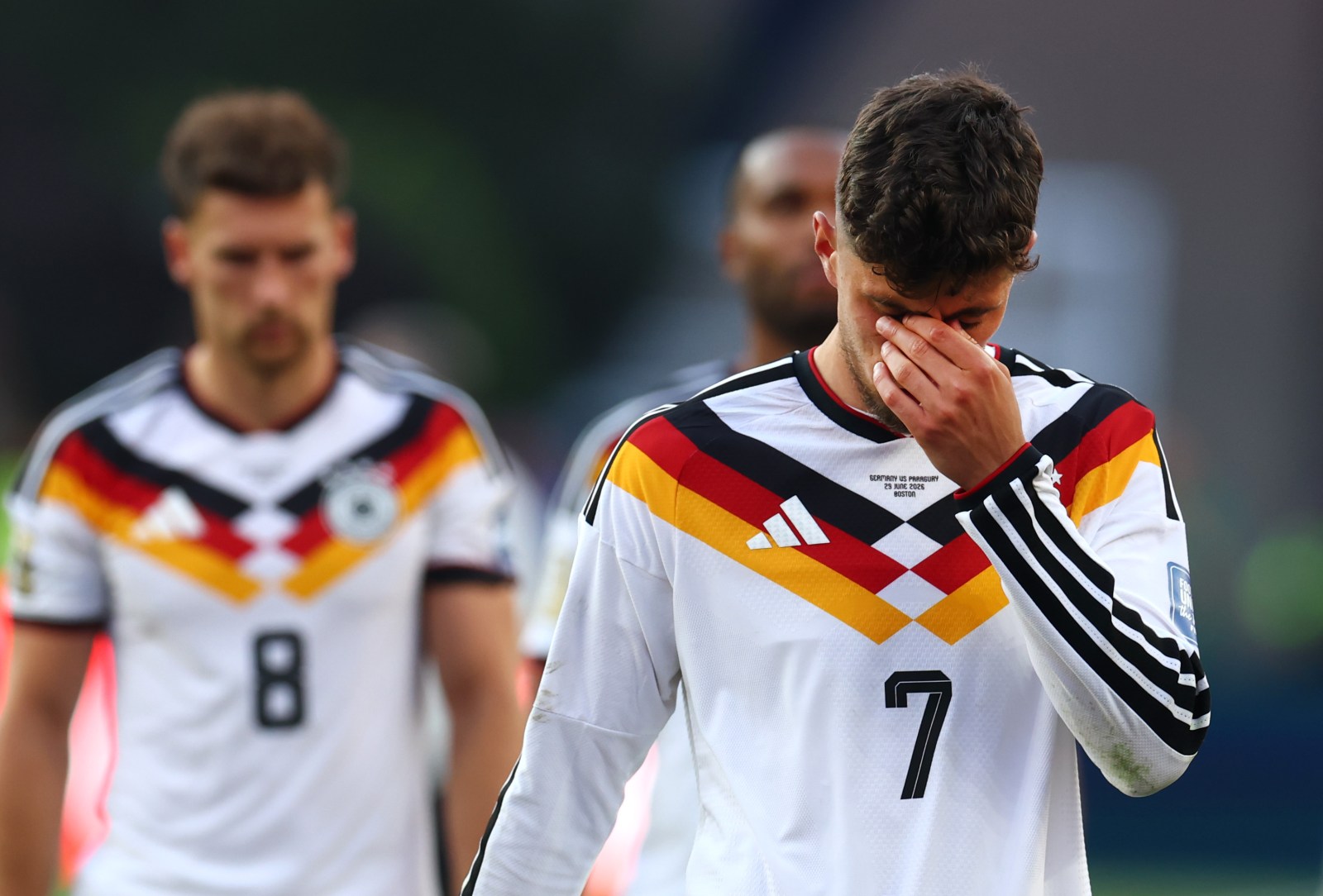
However, Germany now faces an early exit from another World Cup, losing to Paraguay 4-3 on penalties following a 1-1 draw. This marked Germany’s first penalty defeat in a World Cup. Between 1954 and 2014, Germany reached the semifinals in 12 of its 16 appearances, but has not won a World Cup knockout match since 2014, suffering group-stage exits in 2018 and 2022.
Germany’s Economic and Political Landscape in 2014
Germany’s 2014 World Cup victory, including a decisive win against Argentina, positioned the team as a model of technical mastery. Observers believed this standard would influence international football. This achievement was not only sporting but symbolized Germany’s reputation for order.
The World Bank called their success a “triumph of strategy,” reflecting their national planning efficiency. Germany had established its role as an economic powerhouse, thanks to a strong export sector and labor market. Politically, it was a key mediator in the eurozone debt crisis and enjoyed positive relations with Washington and Brussels.
Under Chancellor Angela Merkel, Germany was seen as Europe’s leader. Sudha David-Wilp from The German Marshall Fund noted that Germany thrived on globalization and was less concerned with geopolitical risks. Germany’s diverse football team also allowed for national pride, a shift from its historical taboos.
Current Challenges
Since 2014, Germany’s once-solid foundation has eroded. Clemens Fuest points out that the decline in football reflects broader economic and political issues. For much of the 21st century, Germany’s “Modell Deutschland” relied on industrial and export strengths. This model now faces significant pressure.
Economic Struggles
Germany’s economy stopped growing in 2019 with GDP and private investment at earlier levels. A EU report noted Germany’s weak recovery from the COVID-19 pandemic, with external factors like U.S. tariffs and rising energy prices contributing to stagnation. The Russia-Ukraine conflict in 2022 further damaged the economy by destabilizing energy supplies and increasing costs.
Germany, once Europe’s main supplier of industrial equipment, now competes with China and the U.S. in machinery exports, and its position as an industrial leader is challenged.
Automotive Industry Challenges
Germany’s automotive sector, a symbol of its prosperity, faces a crisis. Car production has been declining, and the transition to electric vehicles has exposed shortcomings. EY analyst Constantin Gall forecasts further struggles for the industry by 2026.
Political Fragmentation
The rise of the Alternative for Germany (AfD) party has altered the political landscape, causing fragmentation. Polls indicate increased support for AfD in Bundestag voting. The immigration issue, highlighted by the 2015-2016 refugee crisis, adds to political divides, weakening the “Grand Coalition” formed by Merkel’s party.
Externally, Germany’s influence in Europe has weakened. Hans Kundnani states that Germany’s perceived leadership in Europe is less believable now. The country depends more on France for defense and economic matters.
A Nation at a Crossroads
Despite current challenges, Germany remains a developed country with skilled labor and robust institutions. It is still a major global exporter and influential in the EU. Recent military investments indicate a shift toward becoming a defense leader in Europe, according to David-Wilp.
Although Germany still possesses significant strengths, the stark contrast with 2014 is evident. Economic issues, industrial shifts, political fragmentation, and declining sports performance indicate a nation grappling with a rapidly changing environment.
The World Cup loss, as Jonathan Tah missed a crucial penalty, symbolizes Germany’s current challenge: moving from a phase defined by precision and certainty to one marked by doubt and uncertainty.