
A school district in Georgia has decided to remove Toni Morrison’s novel The Bluest Eye from its public school libraries. This decision is based on the graphic content within the book, which includes depictions of child rape and incest.
Cobb County School District, the second-largest in Georgia, has removed over 30 titles since 2023 as part of its initiative to eliminate sexually explicit materials from media centers in K-12 schools. The district leaders aim to protect students and give parents more control over their children’s exposure to such material. On the contrary, free speech advocates argue that this is censorship, which limits students’ access to literature.
We are not banning the book like we do not show rated-R movies in class. We are removing materials with explicit content and letting parents make choices for their families,said Chris Ragsdale, the superintendent of Cobb County School District.
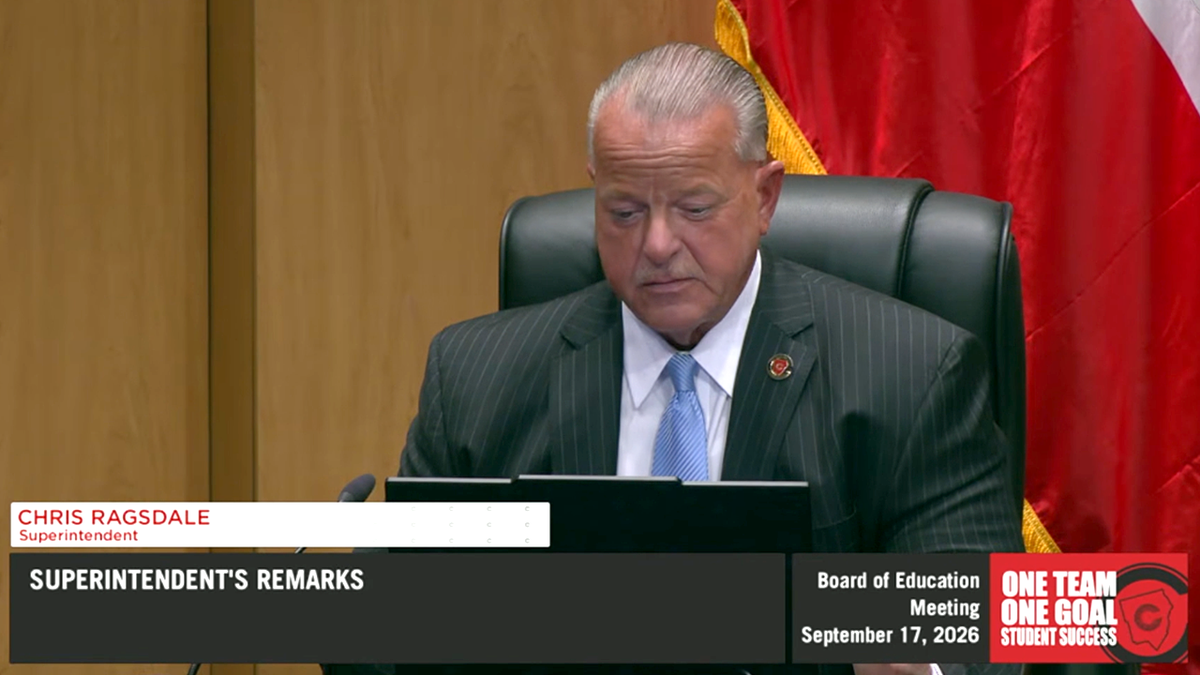
Ragsdale became aware of the book due to concerns from colleagues regarding its sexual content. In a board meeting, he read a disturbing passage depicting the rape of a young girl by her father and expressed concern over parents having to explain this kind of content to their children.
Despite the removal of The Bluest Eye from school libraries, other works by Morrison remain accessible in Cobb County schools. The district’s removal strategy focuses on books with sexually explicit passages and follows a review process distinct from the standard parent challenge system in Georgia.
Ragsdale explained that awards do not necessarily justify a book’s presence in every school library and reiterated that materials containing explicit content require a parental decision, similar to policies about rated-R movies.
Supporters like Moms for Liberty agree with Ragsdale. They argue schools are not obligated to provide every book. According to Tina Descovich, CEO and co-founder of Moms for Liberty, they already restrict internet and movie access for appropriateness.
Descovich noted that the community determined that exposing students to graphic descriptions of abuse without parental knowledge is unacceptable.
Critics, including Kasey Meehan from PEN America, argue this decision amounts to censorship. Meehan points out that while some excerpts are challenging, books offer crucial literacy on consent and relationships. Meehan claims district-wide decisions limit access, undermining educators’ and librarians’ professional judgment regarding literary merit.
Meehan cautioned that censoring a single book could pave the way for more literature removals, creating a continuous cycle of restrictions.