
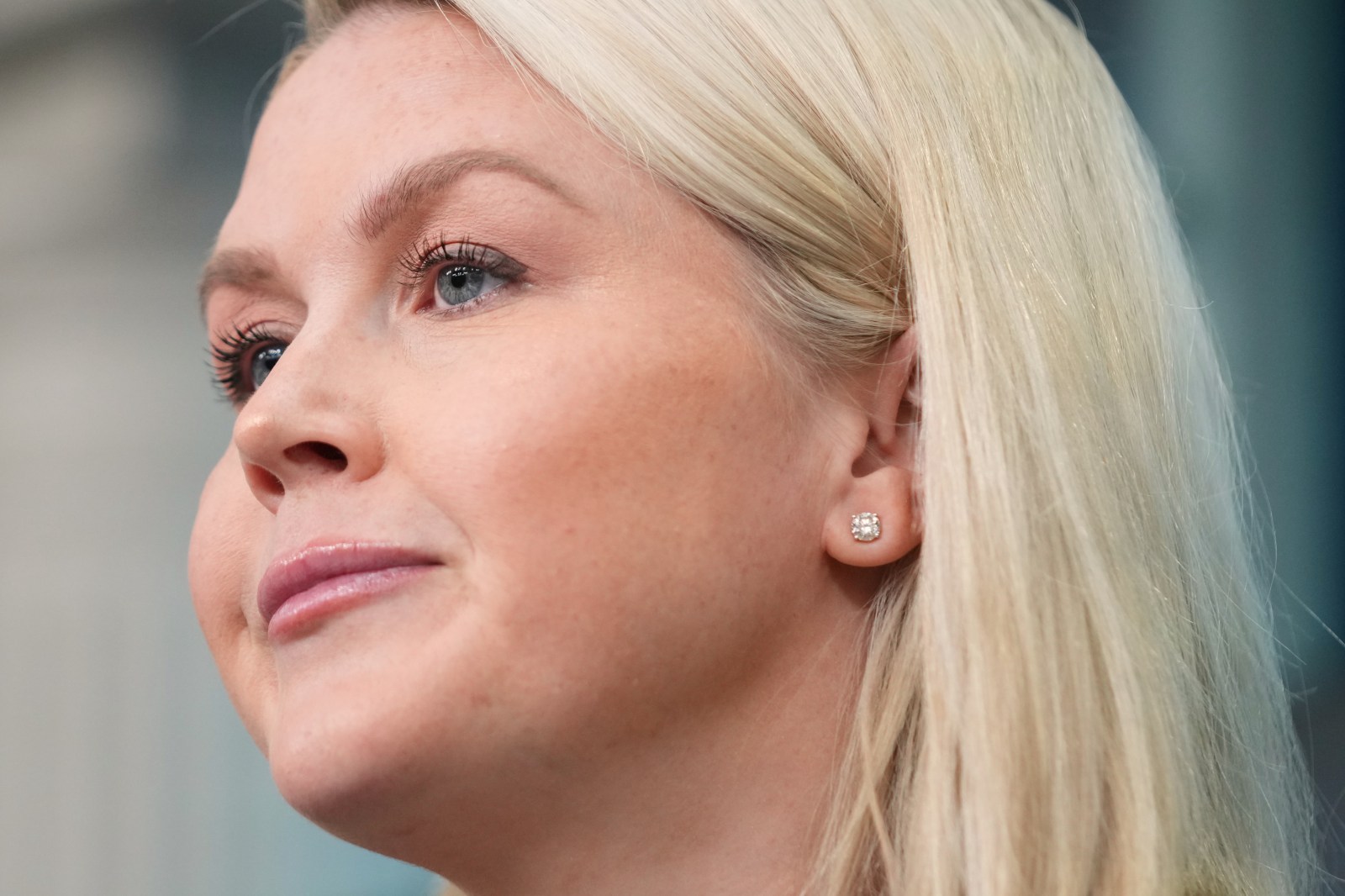
Criticism of Gen Z by White House Press Secretary
Karoline Leavitt, the White House press secretary, recently criticized Generation Z for being raised with privileges and exhibiting laziness. During an appearance on Fox News with host Jesse Watters, Leavitt expressed concern over Gen Z’s complaints about the rising cost of living. This criticism extended to young Democratic voters supporting progressive candidates, such as New York City’s Mayor Zohran Mamdani.
Watters noted that many in their twenties have not held real jobs, which contributes to their complaints about expenses. Leavitt agreed, highlighting attitudes she believes stray from traditional American values based on hard work and meritocracy.
Generation Z Perception and Financial Concerns
Leavitt attributed Gen Z’s perceived laziness to liberal indoctrination and criticized the public education system. She praised homeschooling as an alternative. Both Watters and Leavitt suggested drastic measures like military enlistment for misbehaving youth.
Similar criticism was faced by millennials, who were stereotypically blamed for financial struggles due to lifestyle choices like expensive food. Generation Z now faces judgment over inflation and housing challenges, linked to cultural considerations like iced matcha lattes.
Gen Z’s Economic Challenges
A CNBC survey revealed significant doubts among Gen Z about achieving the American Dream, with only 22% considering they have achieved it. Comparatively, 68% of baby boomers feel they have attained their own American Dream.
Contributors to these doubts include living costs (cited by 81% of Americans), housing prices, healthcare costs, and low wages. Unemployment data from the Bureau of Labor Statistics shows significant disparity between younger Gen Z workers and older populations.
Housing Market Impact
JP Morgan data noted a 60% increase in home prices since the pandemic began. High mortgage rates further complicate homeownership, with current rates doubling from recent lows. Many Gen Z individuals face delays in home buying, with rates dropping to their lowest since 2019.
Political Implications for Gen Z
This economic pressure influences Gen Z’s political leanings. While young voters contributed to Trump’s victory in 2024, disapproval ratings are rising amid economic woes. A Harvard Kennedy School survey noted inflation and housing as key issues affecting this group.
Gallup data indicates a lack of strong party affiliation among Gen Z, with 56% identifying as Independents. This could affect upcoming midterm elections, as neither major party seems to capture Gen Z’s support significantly.