
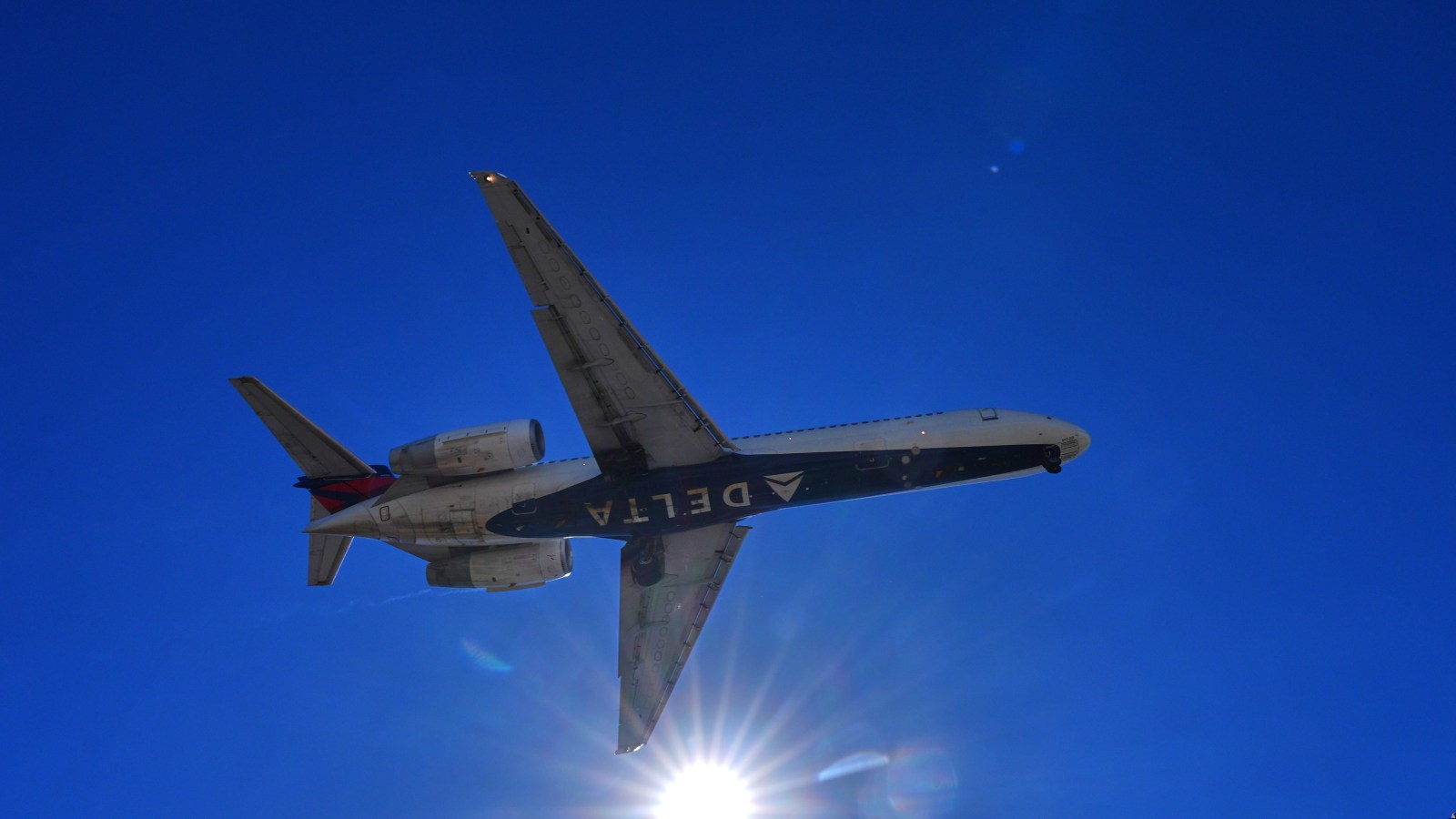
The Federal Trade Commission (FTC) has demanded information from nine companies regarding their pricing strategies for consumers and pay determination for gig workers. The inquiry involves Delta Air Lines, United Airlines, JetBlue, Lyft, Uber, DoorDash, Instacart, Target, and Walmart. The FTC aims to investigate whether variations in prices or compensation for identical products or services depend on personal data or loyalty program participation.
Market Study by the FTC
The orders are part of a market study authorized by Section 6(b) of the FTC Act. This provision allows the commission to conduct comprehensive studies without pursuing specific law enforcement actions. This announcement is strictly an information-gathering effort and does not imply any legal violations by the nine companies. Newsweek reached out to the FTC and the companies for comments outside of office hours.
Companies Under Scrutiny
The FTC named three airlines: Delta, United, and JetBlue, along with two ride-share companies: Lyft and Uber. Also included are two food-delivery services: DoorDash and Instacart, and two retailers: Target and Walmart.
The inquiry examines more than just customer pricing. For ride-share and delivery services, the FTC seeks to understand how these companies determine worker compensation. Offers made to drivers might rely on complex, undisclosed algorithms incorporating factors like phone usage or acceptance history. The FTC requests these companies to disclose their methodologies, tools, and processes for setting consumer prices and worker pay. Companies have 45 days post-receipt to respond, failing which the FTC may involve a federal court to ensure compliance.
Explaining Personalized Pricing
Personalized pricing implies setting varied prices for different customers based on their data or behavior. Factors might include online activity or purchase history. This concept differs from common price variations, such as sales or demand-based pricing. Price discrepancies alone do not confirm data-driven personalized pricing. The FTC’s investigation aims to understand the role of personal data in pricing and pay offers.
The new orders target companies directly involved in pricing, unlike a previous study in 2024 that concentrated on intermediary pricing tools.
Consumer Reports’ Findings on Instacart
Instacart, one of the flagged companies, faced separate scrutiny from Consumer Reports, Groundwork Collaborative, and More Perfect Union. They analyzed prices shown to Instacart users, offering insights into price fluctuations on the platform but not proving that similar practices exist in the other companies cited by the FTC.
The study involved 437 volunteers shopping the same baskets on Instacart simultaneously. From 193 submissions, researchers noted a 23 percent variation in grocery prices and a 7 percent difference in basket totals. Additional tests on retailers like Albertsons, Costco, and Kroger also revealed price variation. However, the study did not prove that these differences stemmed from personal data usage. Instacart claimed that their pricing tests were randomized and short-term, not involving personal data. Consumer Reports noted that Instacart had 10 retail partners using its Eversight pricing tool during the investigation but did not name them.
Future Implications
The companies’ responses will help the FTC evaluate the role of various factors in pricing and pay determination. The issued orders don’t determine the fairness or legality of specific practices, and no conclusions about the nine companies’ practices have been declared. The FTC aims to gather direct evidence from businesses following prior research on intermediary pricing tools. No public timeline has been specified for publishing the findings.
For further information, contact Newsweek editors: Rebecca Flood and Emma Lee-Sang.