
During England’s 0-0 draw with Ghana in the World Cup group stage, Declan Rice attracted attention with an unusual move near the corner flag. The England and Arsenal midfielder hiked up his shorts, exposing his legs significantly, which led to online debates and conspiracy theories. What did these lifted shorts signal? Was it a secret code for a corner kick? The discussion on Rice’s attire choice took on a life of its own.
If you examine FIFA’s annual regulations on equipment, an extensive document that covers everything from hairbands to shorts, you’ll find five pages focusing solely on the latter. These regulations mandate that players wear shorts, detailing the acceptable design, which includes a left and right leg, a seam, and a waist edge. Zippers, pockets, and untucked drawstrings are not allowed, nor are multiple dominant colors or players’ names. Yet, there are no specific rules about the length of the shorts, leaving players like Rice free to adjust as they wish.
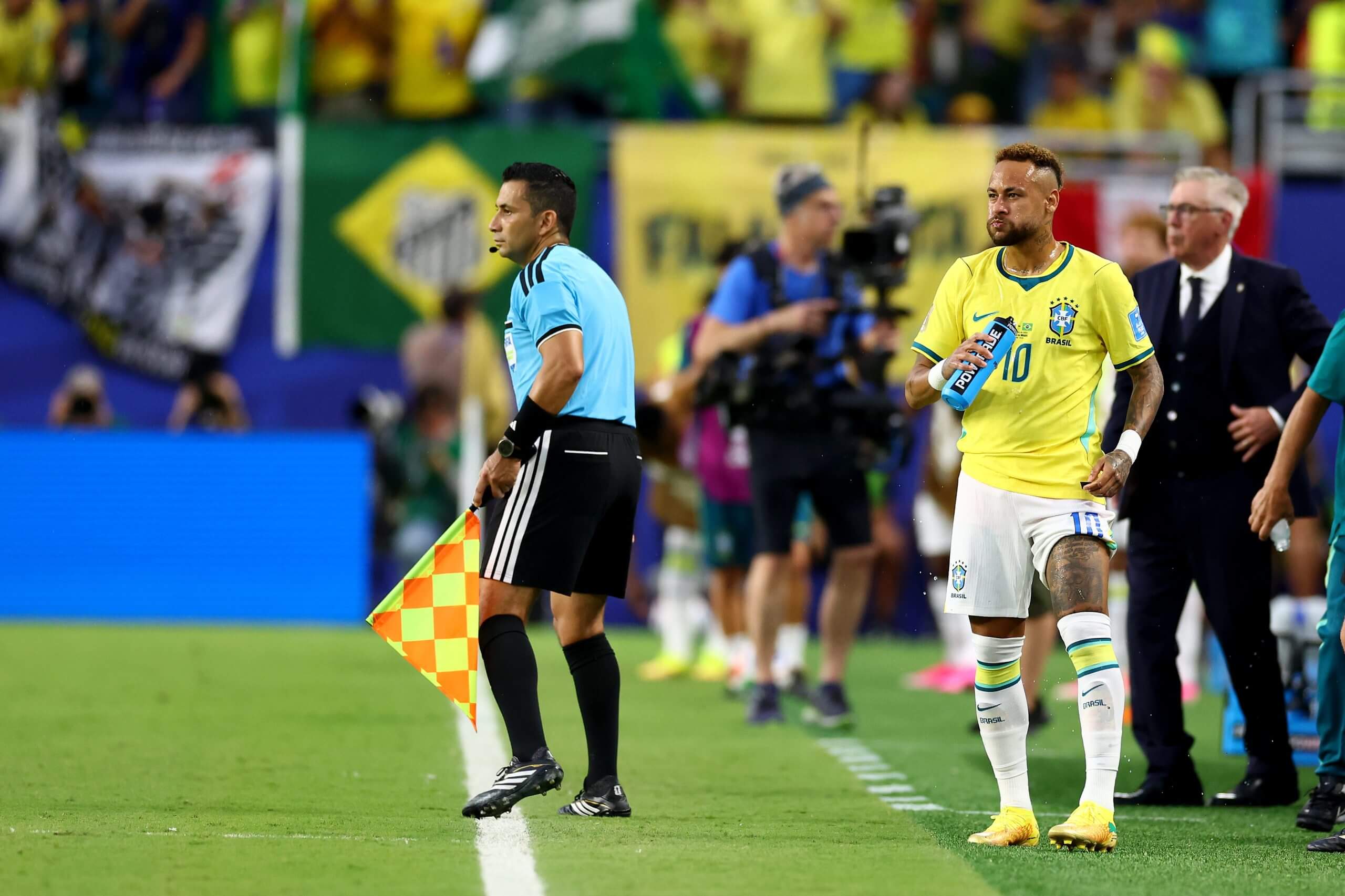
Among those who prefer customized shorts are Manchester City’s Jack Grealish and Brazil’s Neymar. Leeds United’s Dominic Calvert-Lewin often chooses shorts that are one size smaller for a better fit. Meanwhile, short hiking has different motivations. A coach in the Women’s Super League suggested these hikes could be a covert way to communicate with teammates. Historically, baseball and American football have used signs to convey strategies, often leading opponents to try to decipher these signals illegally.
The psychology of short preferences is notable, too. According to Martin Turner, a sport and exercise psychologist, adjusting shorts can be a grounding exercise. Football involves both self-expression and controlled skills, and players modify their shorts to manage stress and find focus. Turner compares it to rituals in tribal communities, used to exert control during uncertain times. Players often create routines believing these could lead to better performance.
But when new kits disrupt these routines, stress ensues. Turner notes that kit comfort is paramount; otherwise, players feel anxious. Adjusting one’s shorts becomes a response mechanism. Footballers want the freedom to move, as former England defender Stuart Pearce did in the baggy 1990s by requesting shorter shorts. Similarly, Joe Cole opted for smaller shorts to prevent defenders from grabbing them, echoing the tactic of Italian legend Paolo Di Canio.
Short design often receives less attention, despite being important for movement. Rob Warner, a former creative director at Puma, recalls innovative shorts designed for the 2006 World Cup, featuring a unique slim fit and aerodynamic shape. He says design isn’t merely for aesthetics but to enhance movement by providing freedom, especially for players with larger thighs. Modern shorts technology deals with heat management, often involving designs that prevent clinging to sweaty skin. Yet extreme conditions, such as those at the World Cup, may challenge these innovations.
The mental aspect matters too. Warner notes the psychological comfort that players derive from shorts. Ronaldo’s habit of hiking up his shorts before a free kick is symbolic of wanting to project strength. Turner emphasizes the impact of appearance on self-confidence, stating players need to feel authentic to perform well. Fashion trends influence these choices too.
Historically, football shorts went through phases from mid-calf trousers to thigh-hugging shorts in the 1980s, which were later replaced by baggier fits influenced by hip-hop culture in the 1990s. Umbro was a major force in this baggy trend. Modern advances in design, such as heat-wicking technology, have given players more options. Yet, customizations remain limited. Despite technological advancements, footballers like Rice continue to adapt shorts to their liking, making tweaks and possibly using them as covert signals.