
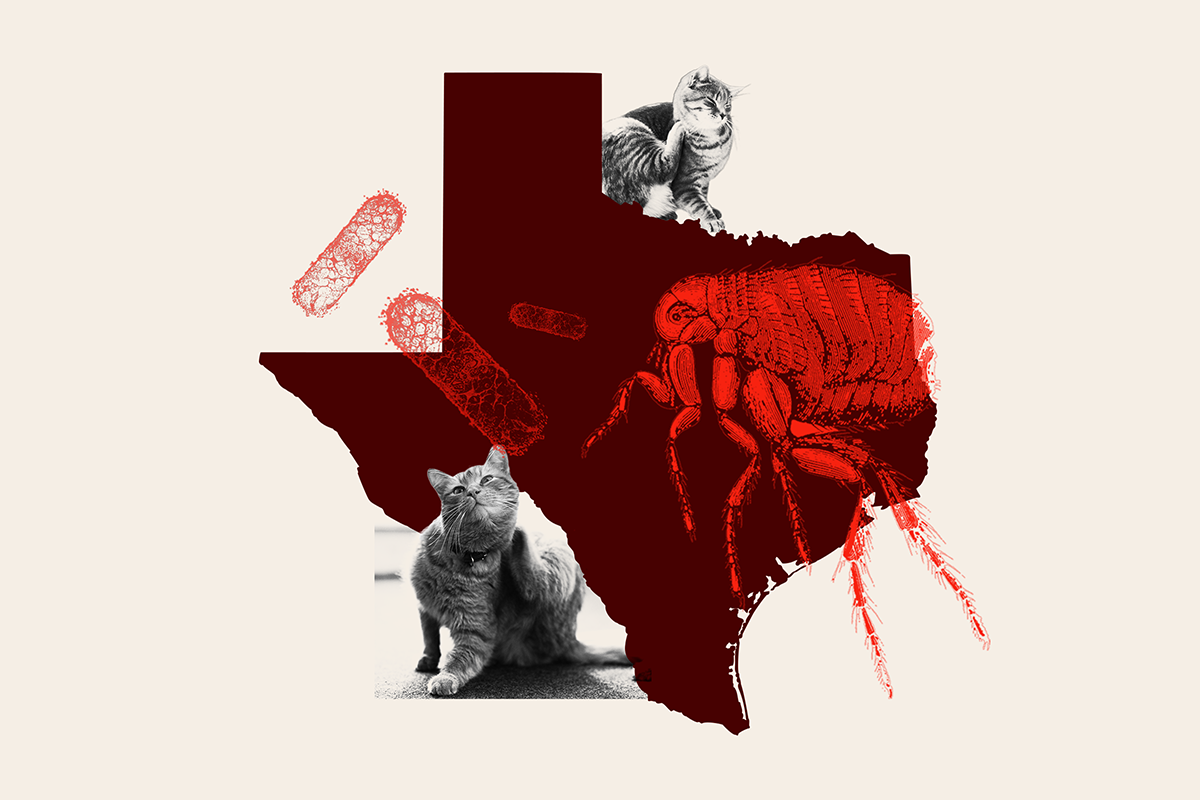
A flea-borne disease is reemerging in Texas, and researchers caution that pets might be bringing it into homes. New research from Texas highlights the link between fleas on cats and the bacterium responsible for murine typhus, a disease once nearly eradicated. Recently, over a hundred people in Galveston were hospitalized due to this illness. Researchers from Texas A&M College of Veterinary Medicine and Biomedical Sciences say their findings clarify why this disease is making a comeback in U.S. households through pets.
A Disease Making an Unwelcome Comeback
Flea-borne typhus, or murine typhus, is caused by Rickettsia typhi, spread to humans by infected fleas. Symptoms manifest six to 14 days after exposure, including fever, headaches, rash, and nausea. While typically mild, untreated cases can lead to hospitalization or death. Two deaths occurred between 2019 and 2023, according to the University of Texas Medical Branch and the CDC.
Unlike some diseases, murine typhus isn’t spread from person to person. Instead, humans catch it indirectly. Flea feces carrying the bacteria can enter the skin through a bite or contact mucous membranes like the eyes or mouth. Commonly, fleas from infected rodents spread it, yet researchers suspected cats’ role in spreading this bacteria via fleas.
In a study published in Parasites & Vectors, Texas A&M researchers found DNA from R. typhi in fleas from domestic cats in the Rio Grande Valley. Among 167 cats, fleas from six carried the bacterium. This number might seem small, but the area reported over 6,700 flea-borne typhus cases from 2008 to 2023, as per the Texas Department of State Health Services. Scientists had previously lacked specific data on the prevalence of this pathogen among local feline fleas.
This discovery highlights the ‘One Health’ approach, treating animal and human health as interconnected. Although cats usually don’t suffer severely from R. typhi, keeping fleas at bay through veterinary care remains crucial to protecting humans.
The Human Toll in Galveston
The University of Texas study shows the disease’s severity. In reviewing records from April 2019 to October 2023, researchers identified 149 adults with murine typhus. Nearly 80% required hospitalization, and 33 needed intensive care. Two patients succumbed to organ failure and severe immune complications. Older age increased the risk of intensive care, while obesity, diabetes, and chronic kidney disease were prevalent underlying conditions.
Severe cases with organ failure have been recorded since the disease’s documentation, affecting kidneys, causing respiratory failure, and septic shock. Recent data from Galveston County indicates a troubling rise. Yet undetected due to increased antibody presence, showing past infection jumped from 1.2% in 2013 to 7.8% in 2021 among locals.
Dr. Sarah Hamer stated, “Socioeconomic conditions, the abundance of cats, and warming temperatures encourage flea infestations and bacteria transmission.” Murine typhus decreased in the 1940s, thanks to vector-control efforts eliminating rat fleas, but it now resurfaces in South Texas homes through fleas on cats and strays, raising concern.