
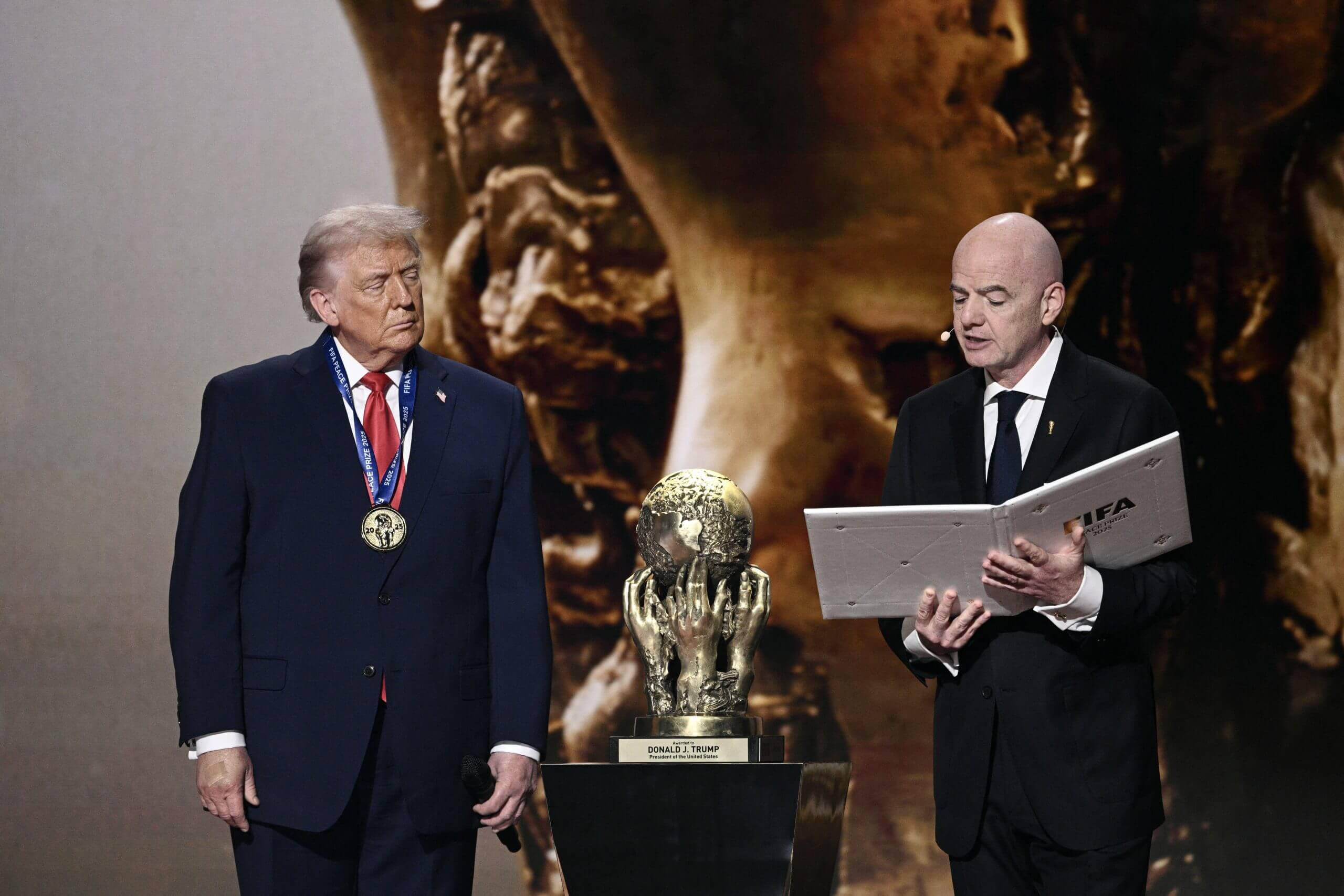
FIFA’s interactions with world leaders have not always been smooth. Cases in point include Gianni Infantino’s presentation of an unusual peace prize to a U.S. President and the ensuing controversies. The gift seemed humorous, but actions taken shortly after were serious. Following the award, there were military actions in Venezuela and Iran. The participation of Iran in the World Cup while at odds with a host nation highlighted FIFA’s disregard for traditional boundaries.
At a recent World Cup, the U.S. President influenced the termination of a player’s suspension. Such incidents highlight potential behind-the-scenes maneuvering in global sports.
Infantino’s recent social media response spanned 15 pages and addressed critics. Not long after, proposals surfaced regarding a possible sale of World Cup rights to a private fund with presidential connections. Media scrutiny played a key role in public discussions. UEFA, feeling excluded from these discussions, threatened a boycott. FIFA’s response, unsigned by Infantino, cited divisive opinions and retracted the proposal.
“It has become clear that the project has created divisions of a nature that, regardless of the level of support, are no longer in the interest of the objective set out in the first place.”
Infantino’s leadership faces scrutiny not only from the public but significantly from UEFA. The European governing body issued a statement condemning secretive planning processes and the lack of accountability.
Significant challenges now face Infantino’s leadership. With re-election looming, there is talk of potential change. Could football be ready for reform? Some suggest alternatives like Victor Montagliani of Concacaf, or Sheikh Salman bin Ebrahim Al Khalifa from the Asian Football Confederation. Nasser Al-Khelaifi, while influential, denies pursuing an official FIFA role.
UEFA President Aleksander Ceferin’s future actions remain of interest, particularly as his term nears its conclusion. Past Champions League final controversies spotlight organizational shortcomings, echoing FIFA’s own challenges.
The problematic relationship between UEFA and Liverpool fans during a flawed final in Paris serves as a reminder of administrative pitfalls. The newly appointed safety consultant and his personal ties to Ceferin underscored vulnerabilities.
Improvements in FIFA’s administration could inspire greater global trust. Learning from past errors may prepare FIFA to mend its reputation. The presidency invites attention, given Infantino’s polarizing impact on the sport. As the world of football navigates these complexities, transparency and accountability emerge as pressing themes.
The need for strong leadership amid diverse regional challenges is evident. Knowledge gained from Infantino’s tenure could guide potential successors. The role’s toxicity may deter candidates, yet the demand for cultural change in football governance persists.