
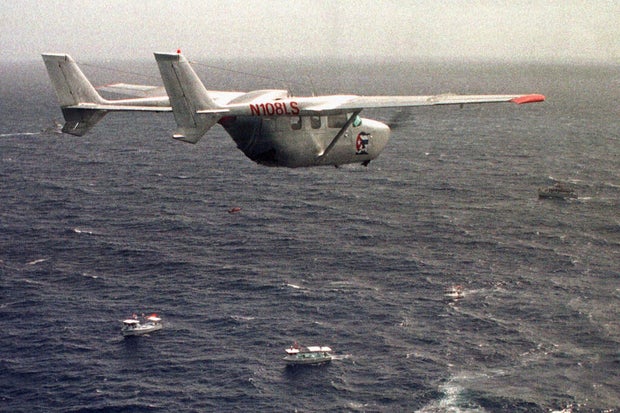
In February 1996, the tragic shootdown of two small civilian planes by a Cuban fighter jet resulted in the deaths of four people. Now, 30 years later, the incident is the centerpiece of a federal criminal case against Raúl Castro, one of the most influential figures in Cuba.
Indictment and Charges
The U.S. has indicted Raúl Castro, who led Cuba after his brother Fidel retired, for murder and conspiracy to kill U.S. nationals. This indictment is part of a pressure campaign from the Trump administration, marking a new phase in the fraught relationship between the U.S. and Castro family.
Brothers to the Rescue
The planes, operated by Brothers to the Rescue, took off from Miami intending to search for Cuban escapees on rafts. Founded by José Basulto, a self-described participant in the Bay of Pigs invasion, the group conducted search-and-rescue missions, aiding thousands fleeing from Cuba.
However, Cuba accused the group of airspace violations and distributing anti-Castro leaflets. Allegations even included intentions to damage Cuban infrastructure, emerging from a former member who returned to Cuba.
Warnings and Consequences
In the lead-up to the shootdown, U.S. officials expressed concerns over unauthorized flights over Cuba, warning Basulto. A Federal Aviation Administration official noted the risk of Cuban defense actions against such planes. On February 24, 1996, three group planes headed towards Cuba, and two were destroyed by a Cuban MiG-29 fighter jet.
“Fatherland or death”
Afterward, the third plane landed safely in Florida. Investigations revealed the planes were shot down over international waters, contrary to Cuban claims of airspace violations.
Legal and International Response
The ICAO’s investigation affirmed that international law prohibits attacks on civilian planes, even within a country’s airspace without adequate warnings or attempts to redirect them.
Fidel Castro defended the actions, citing security concerns over airspace violations, while the U.S. imposed sanctions and suspended flights to Cuba.
The incident led to legal battles, resulting in significant damages awarded to victims’ families. Though implicated, the pilots and Cuban air force officials were never tried.
Renewed Interest and International Developments
Recently, calls for charges against Raúl Castro have emerged, especially from Florida lawmakers and Miami’s Cuban American community. This development coincides with a virtual oil blockade on Cuba by the Trump administration, intensifying the country’s energy crisis.
Additionally, Raúl Castro’s indictment follows the U.S. prosecution of Venezuelan President Nicolás Maduro, illustrating a broader strategy addressing ally nations to the Cuban government.
Basulto expressed hope for accountability against Castro, stating, “It’s time for them to pay.”