
Discussion on Voter Verification Database Block
Fox News host Laura Ingraham and Ohio Congressman Jim Jordan recently discussed a federal judge’s decision to block President Donald Trump’s voter verification database. Jim Jordan criticized the decision, stating it hinders election integrity by allowing non-citizens on voter rolls. This discussion highlights ongoing concerns about election security and judicial activism, particularly in relation to voter ID laws.
Appeals Court Decision
On Saturday, a federal appeals court refused to allow the Trump administration to enforce key parts of an executive order that tightens mail-in voting rules in 23 Democratic-led states. This ruling represents a setback that could propel the administration to seek relief from the U.S. Supreme Court before the midterm elections. In a 2-1 decision, the 1st U.S. Circuit Court of Appeals denied the Department of Justice’s (DOJ) request to pause a prior ruling that blocked several provisions of Trump’s executive order while the administration appeals. The DOJ previously indicated it might seek emergency relief from the Supreme Court if necessary.
Claims and Counterarguments
The Trump administration argued that the lawsuit was premature, as federal agencies had not finalized the policies to implement the executive order. However, the appeals court noted that plaintiff states already face upcoming election deadlines and have begun to prepare for potential changes. The majority opinion stated, “As the district court reasoned, the (executive order) lays out a clear set of rapidly approaching deadlines by which states must coordinate with federal officials and comply with new voting procedures. The Plaintiff States have no practical choice but to respond to the (order) now.”
Executive Order Specifics
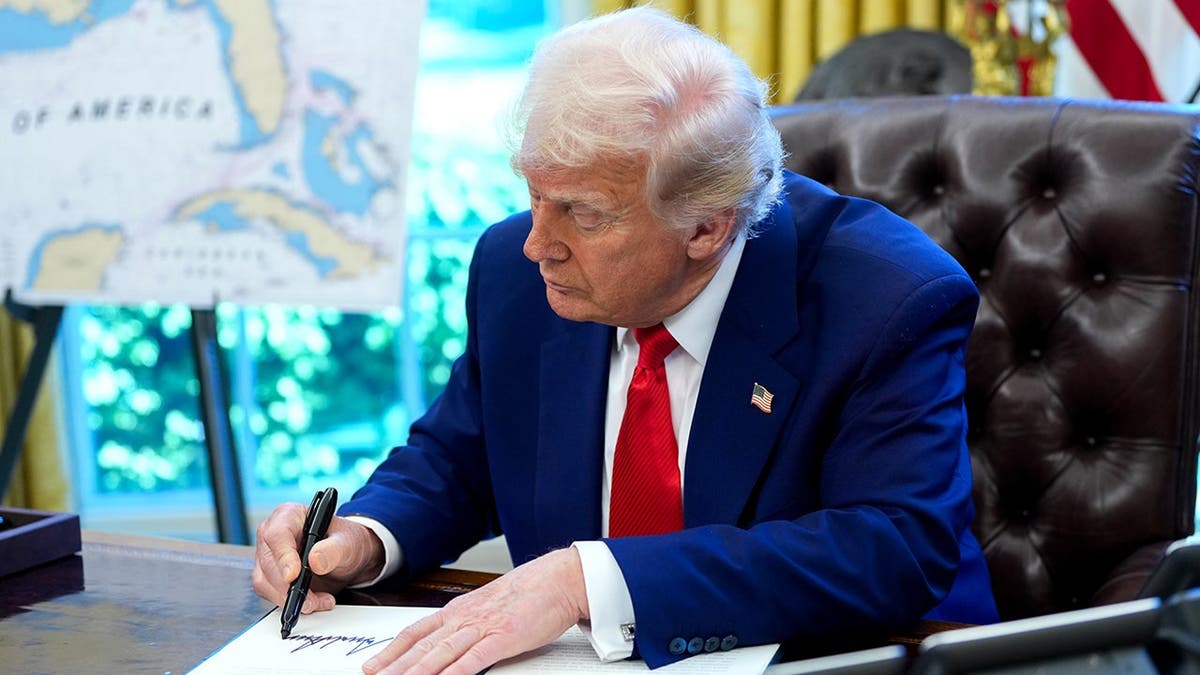
Trump’s Executive Order 14399, signed in March as part of his election integrity agenda, directs the Department of Homeland Security (DHS) to compile lists of confirmed U.S. citizens eligible to vote and to provide these lists to states. It also instructs the U.S. Postal Service (USPS) to create new mail-in ballot standards and asks the Justice Department to prioritize investigations into state and local election officials who issue federal ballots to ineligible voters.
Lawsuit Overview
The lawsuit, initiated by 23 states and the District of Columbia and led by California, Massachusetts, Nevada, and Washington, argues that the Constitution gives states primary responsibility for managing federal elections. Therefore, it maintains that the president exceeded his authority by instructing federal agencies to impose new voting rules. U.S. District Judge Indira Talwani agreed and ruled in June that several provisions of the executive order likely exceeded the president’s authority, blocking their implementation through the Nov. 3 federal elections.
Current Status and Future Steps
While Saturday’s ruling does not determine the final legal outcome, it leaves Judge Talwani’s injunction in place as the appeal moves forward. The White House and the Justice Department have not yet commented on the ruling. According to Brittany Miller, a Fox News Digital breaking news writer and former Independent reporter, the situation remains fluid as both sides prepare for the next stages of the legal battle.