
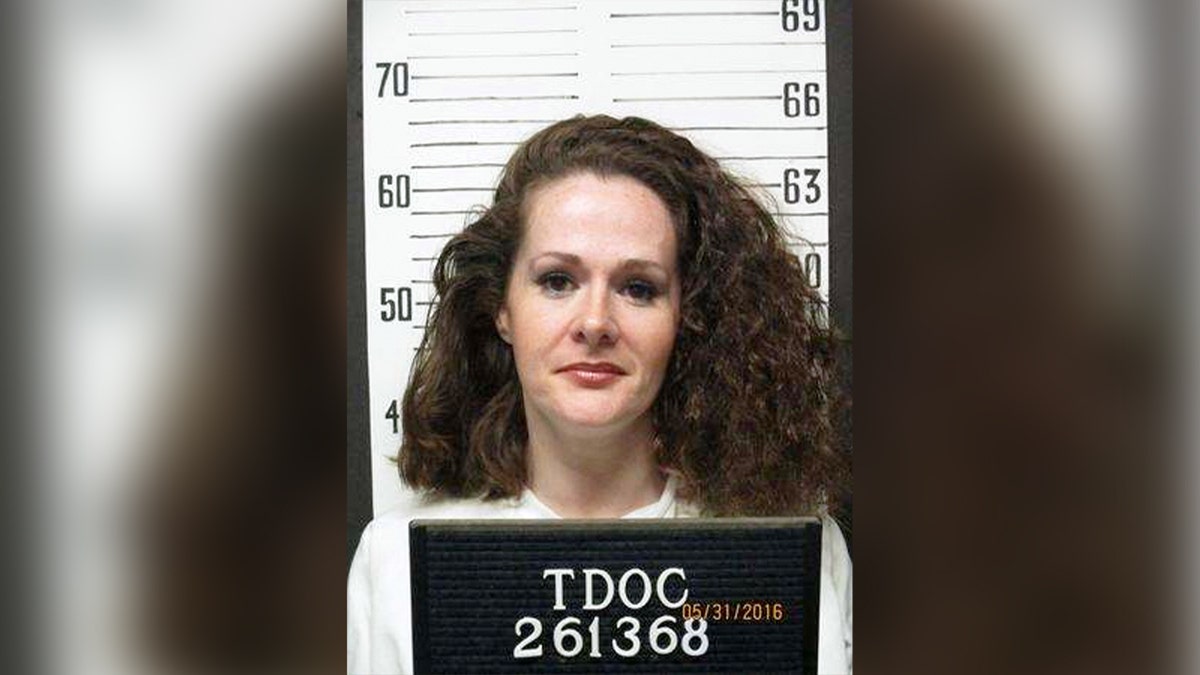
A Tennessee death row inmate, Christa Pike, remained unconscious on a ventilator following the state’s unsuccessful attempt to execute her. Scheduled for execution due to the 1995 murder of 19-year-old Colleen Slemmer, Pike would have been the first woman executed in Tennessee in over 200 years. Her attorneys claim that prison officials ignored warnings about potential complications with the lethal injection.
Pike’s legal team filed an emergency motion in Davidson County Chancery Court. They seek an order requiring the Tennessee Department of Correction to preserve evidence related to what they termed a “botched attempted execution.” These records, they argue, are essential for understanding the incident, protecting Pike’s legal rights, and ensuring accountability.
Attorney Stephen Ferrell stated, “Christa remains critically ill and is receiving medical care for the effects of the execution attempt.” She is reportedly intubated and requires a ventilator due to the effects of pentobarbital, sustaining injuries to both arms during the process.
The motion provides a detailed account of the chaotic scene in the execution chamber. The team administering the execution reportedly struggled with IV access, using at least seven needles before delivering two doses of pentobarbital. Pike reportedly suggested where staff might insert the IV, and one needle was found bent at a 90-degree angle. Throughout the procedure, she could be heard crying and breathing heavily.
Pike expressed pain during the execution attempt, reportedly saying, “My arm feels like it’s about to burst open,” and asking about the process. Upon arriving at the hospital, her arms were “swollen, burned, and blistered.” Pentobarbital is described by medical experts as akin to “bleach” or “Drano,” known for its caustic nature that can burn skin and tissues.
Pike’s attorneys argue the complications were foreseeable, citing her thrombocytosis, PTSD, small veins, and history of difficult needle insertions. They claim these warnings were dismissed by officials. A media witness described the situation as needing answers, echoing the attorneys’ demands for transparency from the Department of Correction.
According to the motion, the execution team did not realize the IV lines had failed before administering an additional dose of pentobarbital. The attorneys assert the need to preserve evidence is crucial as the case proceeds, emphasizing Pike’s violated constitutional rights and the expectation of ensuing litigation. The Tennessee Attorney General’s office has called for an investigation into the events, seeking to understand what transpired during the failed execution attempt.