
Eighteen suspects linked to the assassination of Haitian President Jovenel Moïse in July 2021 are set for extradition to the United States. This move signifies a new chapter in the lengthy judicial proceedings in Haiti regarding the murder, a tragedy that deeply affected the Caribbean nation.
The suspects are scheduled to face trial in Florida, as announced by U.S. Attorney for the Southern District of Florida, Reding Quiñones. In a statement posted on social media platform X, Quiñones emphasized the commitment to seeking justice for President Moïse’s assassination. He stated, “Today marks the next major phase in our pursuit of accountability for the assassination of President Jovenel Moïse. We will follow the evidence wherever it leads, to those who financed it, facilitated it, supported it or committed crimes to make it possible.” He affirmed that even five years following the incident, efforts to bring defendants before American courts remain ongoing.
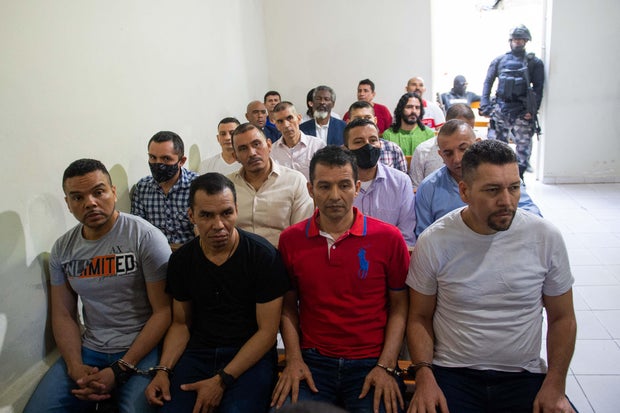
The suspects have not been publicly named, but among those still in Haiti awaiting trial are over a dozen Colombian soldiers and a former official from Haiti’s government. An image captured during a hearing at the Court of Appeals in Port-au-Prince, Haiti, on January 27, 2025, shows Colombian men in handcuffs, accused of involvement in Moïse’s assassination.
Quiñones mentioned that 30 individuals have been charged in connection to President Moïse’s killing. FBI Special Agent in Charge Brett Skiles highlighted the arrests made in both the U.S. and internationally, underscoring the commitment of federal agencies to ensure accountability for those who sought gain from the assassination of a nation’s leader.
As the extradition progresses, the U.S. continues to prosecute and sentence other suspects linked to the case. In May, a Florida jury found four men guilty in relation to the murder, while at least five others have admitted guilt and are serving life sentences. The recently convicted individuals, Arcángel Pretel Ortiz, Antonio Intriago, Walter Veintemilla, and James Solages, initially entered not guilty pleas. Prosecutors argue that these men played pivotal roles in orchestrating the plot to eliminate the Haitian president. The jury concluded that they conspired to assassinate or kidnap Haiti’s elected head of state and offered material assistance for the plan.
Martine Moïse, President Moïse’s widow, who sustained injuries during the attack, delivered emotional and graphic testimony at Miami’s federal court in March. Her testimony detailed the brutal assault inside their bedroom at their Petionville residence.
Additionally, Martine Moïse directly accused former Haitian President Michel Martelly and former Prime Minister Ariel Henry of having links to the murder of her husband. In 2024, a Haitian judge indicted Martine Moïse on charges of complicity and criminal association, which her attorney criticized as “ridiculous and unjust.”