
A Dutch review board determined that a doctor acted “with due care” in the euthanasia of a 1-year-old with severe disabilities. This decision has sparked global debate about who should make end-of-life decisions for non-verbal children.
The child passed away in late 2025, and the case was disclosed by Dutch Health Minister Sophie Hermans in June. The euthanasia was conducted under expanded rules from 2024 in the Netherlands, allowing this option for children experiencing unbearable and untreatable suffering. Dutch regulations require a review of all cases involving abortions after 24 weeks and the termination of life for children up to 12 years old. A committee consisting of an ethicist, legal expert, and medical specialist reviews each case to ensure that the physician’s actions were in line with regulations.
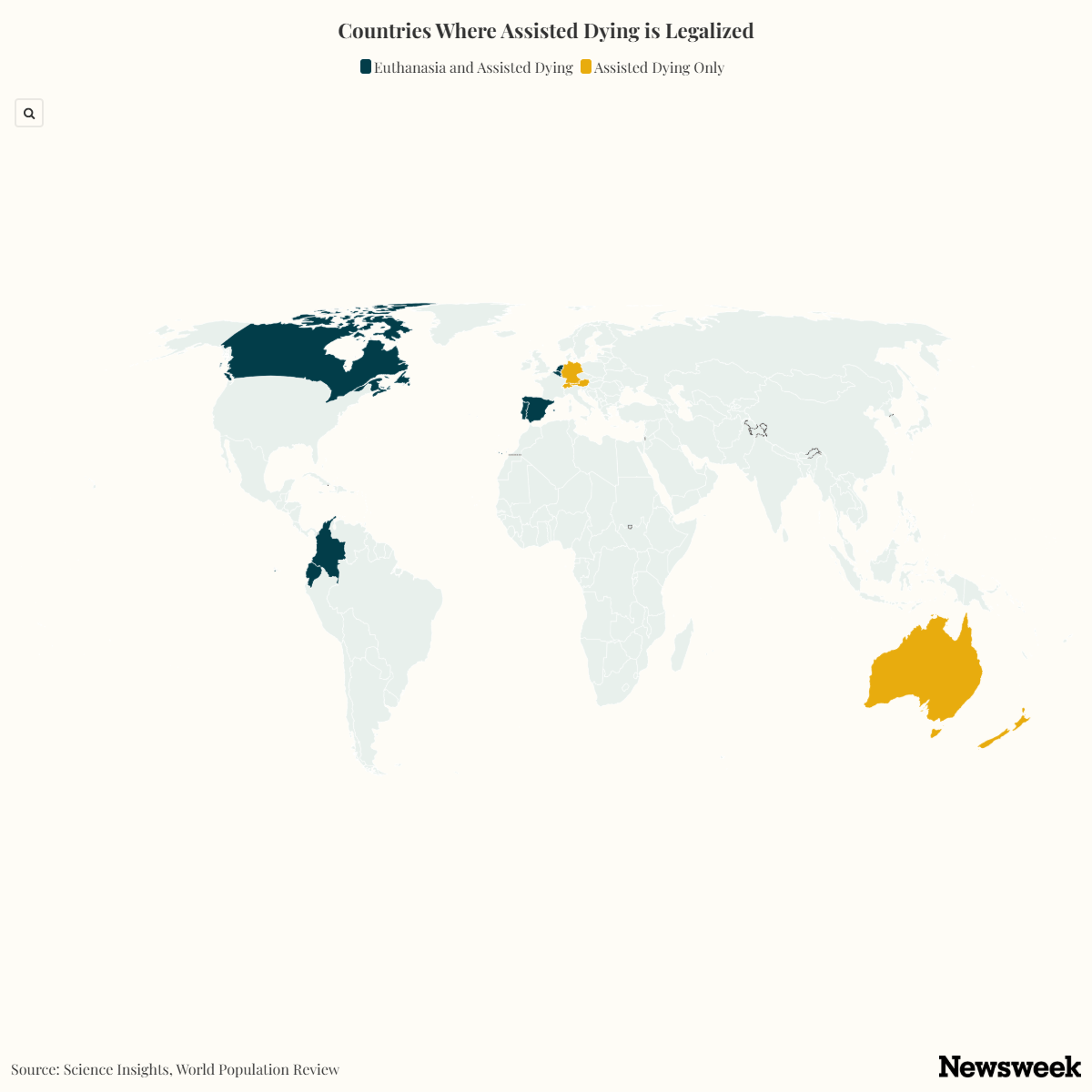
Where Is Euthanasia Legal?
While the Netherlands has broad assisted-dying laws, countries like Belgium, Spain, Canada, Colombia, and Ecuador also permit euthanasia or assisted dying under certain conditions.
Details About the Child
The identity of the child has not been revealed. However, reports describe a diagnosis of severe epilepsy, brain damage, visual impairment, and cerebral palsy. Born abroad at only 26 weeks and 3 days, the child was severely premature.
“Given the child’s inability to communicate, the diagnosis, prognosis, and treatment options were extensively discussed with the parents. As medical examinations progressed and clinical deterioration was noted, the parents requested termination of the child’s life,” according to a translated report. The physician used midazolam and morphine to sedate the child before administering substances to induce coma, resulting in deep sedation and the child’s death.
Rationale Behind the Euthanasia Approval
The doctor involved expressed hope that supporting his actions might provide options for families in desperate situations, as reported by CBS News. He stated, “As a doctor, you are in an extremely vulnerable position, because this has never happened before.” He described such cases as “a kind of emancipation of the child.”
Not all agreed with this perspective, as some doctors argued that the child was not continuously suffering and that all medical options had not been fully tested.
Cardinal Wim Eijk, a prominent critic and chair of the Dutch bishops’ conference, stated, “What is truly merciful is providing adequate care, such as palliative care. If standard palliative care is insufficient, palliative sedation may be an option.”
Euthanasia in the United States
In the U.S., euthanasia is illegal. Assisted dying is allowed only for certain competent adults in selected states. Thaddeus Mason Pope, a law professor at Mitchell Hamline School of Law, stated that this type of expansion might eventually come.
“More countries are allowing euthanasia for children,” he said. “In the U.S., we allow withdrawal of life-sustaining therapy, so it seems logical that euthanasia could also be directed if considered in the patient’s interest.” However, adopting the Dutch standard in the U.S. is unlikely.
Pope noted, “Almost every jurisdiction requires individuals to make this decision for themselves. There have been no moves in the U.S. towards allowing euthanasia for minors or directing medical aid in dying for incapacitated individuals.”
If you or someone you know considers suicide, contact the 988 Suicide and Crisis Lifeline by dialing 988, text “988” to the Crisis Text Line at 741741, or visit 988lifeline.org.