
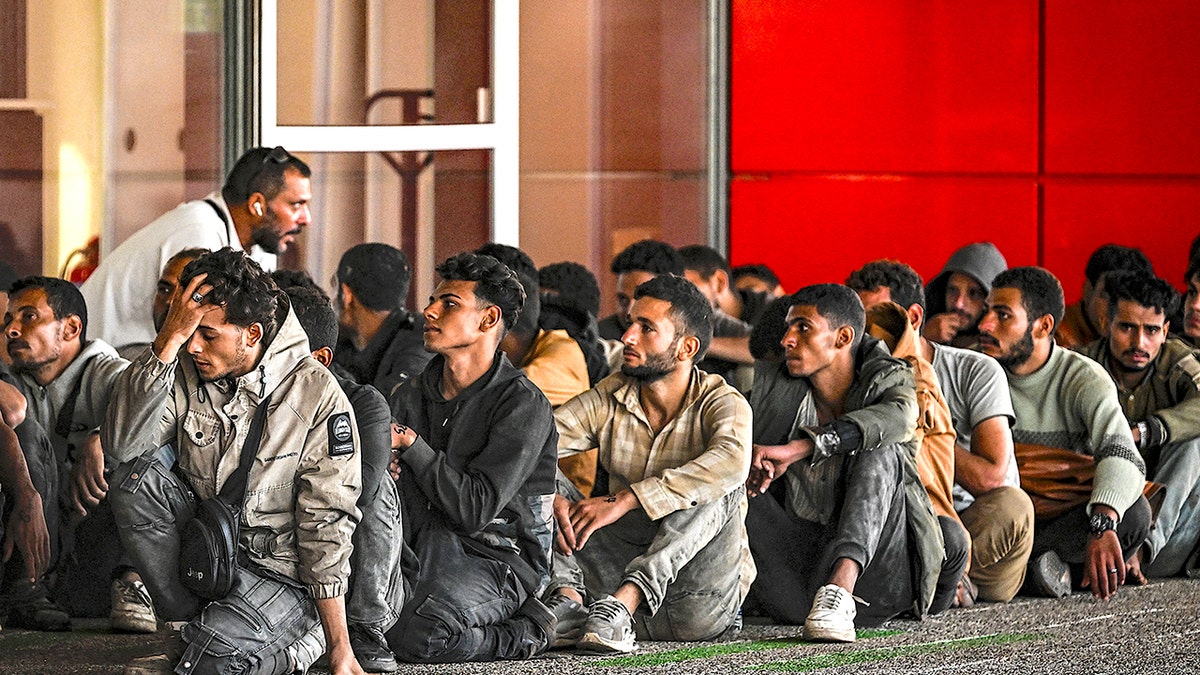
In June, the European Union responded to the concerns raised by President Donald Trump and European voters about illegal immigration. They introduced stricter border entry rules for the 27-nation bloc.
The EU agreed on new rules regarding migration and asylum to address these issues. These laws target illegal migrants entering the bloc, ensuring they are processed and rapidly sent to deportation centers in countries outside the EU when necessary.
Asylum seekers will undergo identity, security, and health screenings before entering the asylum process. Border officials will now track and record non-EU citizens entering and exiting the bloc, utilizing biometric data like fingerprints and facial recognition. Member states are required to assist and share information with each other.
The Associated Press reported that this provisional deal from the EU’s main institutions would go to EU lawmakers and governments for expected approval.
Strong Reactions in Europe
The implementation of these rules has sparked different reactions across Europe. In Greece, for instance, local authorities and tourism operators expressed frustration after more than 2,000 people arrived from Libya, leading to a rerouting of migrants by Greek coast guard officers.
Alan Mendoza, founder of the Henry Jackson Society, mentioned that the EU’s demographics are altering Europe’s culture. He noted that the U.K. influence played a role in forming the new EU rules, although the U.K. is not part of the EU.
Experts argue that the challenge will intensify without swift action from European leaders. President Trump highlighted the problem at the United Nations General Assembly, addressing the damage caused by undocumented migrants flooding Europe.
Opinions from Leaders and Critics
Vice President JD Vance recently commented on the stabbing death of a young British man. He criticized European authorities for failing to address migration issues. Secretary of War Pete Hegseth also addressed the topic, emphasizing the need for European nations to tackle the challenge of illegal immigration.
In contrast, Spain took a different approach by legalizing half a million undocumented migrants. Javier Negre from La Derecha Diario newspaper highlighted the role of nongovernmental organizations in promoting immigration.
Critics, particularly from the European left and NGOs, opposed these measures. Mélissa Camara of the French Green party called the development “a historic setback” for human rights due to the legalization of return hubs outside the EU and practices inspired by ICE in the United States.
The ongoing debate continues as countries in Europe balance security and humanitarian concerns regarding immigration policies.