
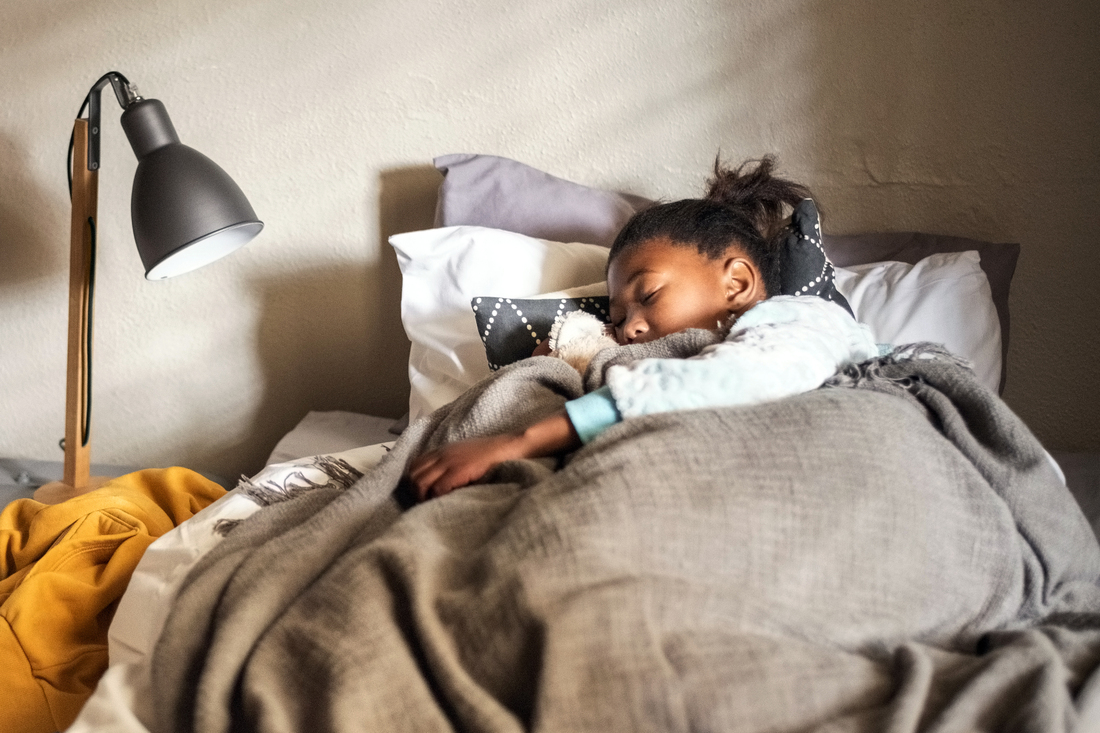
Consistent sleep is vital for your ability to focus, retain information, and strengthen your immune system. However, children may not recognize these benefits of sleep. Many parents find it challenging to encourage their children, aged five to eleven, to wind down peacefully for bedtime. Dr. Nilong Vyas, a board-certified sleep consultant and pediatrician, understands this struggle from personal experience. She operates Sleepless in NOLA and offers advice for parents aiming to establish healthy sleep habits for their children.
Creating a Bedtime Routine
A routine is essential for achieving restful sleep. It begins with activities like turning off screens, spending time with your children, changing into pajamas, brushing teeth, and saying goodnight. Vyas explains that a consistent bedtime routine provides more than adequate sleep hours. It fosters a positive impact on children’s performance in school and life.
Vyas advises creating a routine tailored to your family. Key aspects include ensuring ample sleep, setting a consistent bedtime, and maintaining the same wake time, even on weekends. Implementing these principles helps children achieve better sleep.
Limiting Screen Exposure
Electronic devices can disrupt sleep due to their bright light. Melatonin, the hormone influencing sleep, is affected by blue light from screens. Vyas recommends turning off TVs, iPads, and phones at least an hour before bedtime. This helps promote sleepiness. Creating a distinct boundary between sleep and study/play areas, like keeping textbooks and laptops out of bedrooms, encourages children to associate the bedroom with sleep.
The Importance of Consistency
Consistency is crucial for improving sleep. Introducing a new routine may take three to four days to alter a child’s behavior. According to the American Academy of Sleep Medicine, school-aged children should sleep nine to thirteen hours, while teenagers need eight to ten hours for optimal health.
Vyas recommends blackout curtains to create a dark sleep environment, with a nightlight if needed. Sound machines can assist if nighttime restlessness persists. Keeping bedroom temperatures between 67 and 69 degrees Fahrenheit aids in achieving deeper sleep.
While these conditions may not be feasible for every household, small adjustments can significantly enhance your family’s well-being.
Recognizing Bedtime Cues
As bedtime approaches, observing your child’s cues is vital, says Vyas. Begin your routine as soon as signs of tiredness appear. Delaying bedtime may lead to behaviors intended to prolong the night, such as requests for extra hugs, potty breaks, or unnecessary attention.
To address this, creating a bedtime checklist can be helpful. List regular pre-bedtime activities, including typical requests like water or storytime. This checklist serves as a reminder to parents, ensuring all needs have been met before leaving your child’s room.
“We’ve taken care of everything on the list already, sweetie. Good night, I’ll see you in the morning,” reassures Vyas.
Dr. Vyas offers a checklist available here. It serves as a guideline for establishing sleep schedules.
If you have additional lifestyle tips, contact us via voicemail at 202-216-9823 or email [email protected]. Your tips could feature in future episodes. For more insights, subscribe to our newsletter.